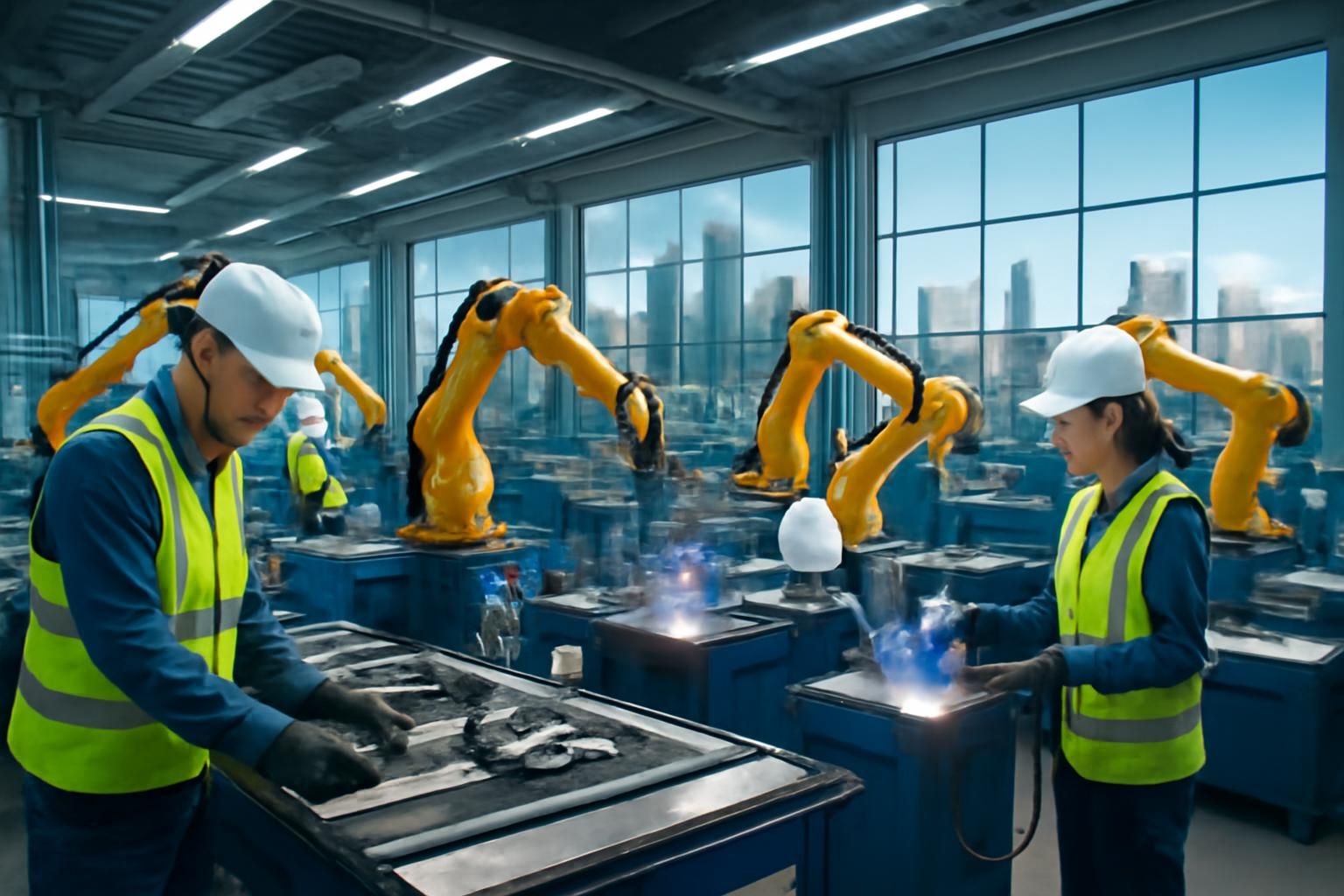
Australia’s manufacturing sector has demonstrated remarkable resilience and growth, reaching a significant milestone in July 2026. The latest Purchasing Managers’ Index (PMI) survey conducted by S&P Global reveals a surge to a six-month peak with a score of 52.0, signaling robust expansion in production, new orders, and employment. This revival amidst the global economic uncertainties highlights the strength and adaptive capacity of the Australian industry during a dynamic period. The manufacturing sector’s positive trajectory is a notable driver of broader economic growth, influencing not only the industrial landscape but also the national economy’s sustainability and competitiveness.
The PMI score above 50 is a crucial benchmark indicating expansion, underscoring renewed optimism and operational vigor among manufacturers. Despite persistent challenges such as inflationary pressures and geopolitical tensions, the sector’s ability to return to growth after months of subdued activity offers promising prospects. Australia’s manufacturing resurgence is pivotal, considering the sector’s role in supporting jobs, regional development, and export capabilities. This surge to the highest PMI level since January signifies not just recovery but a potential turning point for sustained industrial expansion and innovation.
Detailed Analysis of Australia’s Manufacturing PMI at 52.0
The Manufacturing PMI is a widely observed economic indicator reflecting the health and momentum of the manufacturing sector. A PMI reading above 50 generally suggests expansion; below 50 signals contraction. Australia’s PMI hitting 52.0 in July indicates a solid increase in manufacturing activity, a rise from the previous 51.5 in June. This advancement is the culmination of several factors: revitalized demand, improved supply chain dynamics, and adaptive measures by manufacturers to contend with cost and supply uncertainties.
This PMI score is especially significant because it marks the highest level in six months, conveying confidence returning to the sector. Detailed analysis shows that both output and new orders grew during the period, suggesting strengthening customer demand both domestically and from export markets. Employment figures also improved, reflecting manufacturers’ intention to scale operations and meet growing demand.
For example, manufacturers in machinery and fabricated metals have reported higher order books, while food and beverage producers benefited from rising domestic consumption. These trends reflect an increasingly diverse and robust industrial base that reinforces the Australian economy in an international context.
Supply Chain Shifts and Production Enhancements
Supply chain resilience has been a critical factor in the PMI’s upward movement. Over recent months, Australian manufacturers have proactively diversified suppliers, reduced lead times, and implemented technology-enabled production processes. This strategic shift reduces vulnerability to global disruptions and lowers costs, improving production output and margins.
The emphasis on innovation, automation, and workforce training has also increased productivity. For instance, several manufacturers have adopted Industry 4.0 technologies such as robotics and AI for quality control and inventory management, significantly enhancing output consistency and efficiency. These improvements have fed into better PMI readings by demonstrating sustained operational robustness.
Economic Growth Stimulated by Manufacturing Expansion in Australia
Manufacturing’s upswing is a key contributor to Australia’s overall economic growth. The sector’s recovery strengthens fiscal stability through increased tax revenues, higher employment rates, and amplified consumer spending. The multiplier effects of manufacturing growth influence ancillary services such as logistics, retail, and R&D, amplifying the economic impact.
Manufacturing expansion helps mitigate unemployment by creating high-skilled jobs in production, engineering, and management roles. The rise in employment within the sector observed alongside the improved PMI reflects business confidence and growth potential in 2026. This momentum supports regional economies where manufacturing hubs exist, generating inclusive economic outcomes beyond metropolitan centers.
Additionally, manufacturing’s export component positively affects Australia’s trade balance. The diversification of export products strengthens resilience against external shocks and shifting global demand patterns. Industries like chemicals, electronics, and processed foods have expanded their international footprint, leveraging innovation and quality to access new markets.
The collaboration between government agencies and industry stakeholders has fostered a supportive ecosystem through incentives, skill development programs, and infrastructure investments, accelerating the industry’s recovery and growth. As detailed in the latest industry reports, these initiatives will shape the sector’s trajectory moving forward.
How Manufacturing Bolsters Regional Development
Manufacturing expansions often lead to development in regional areas due to lower operational costs and access to natural resources. Regions such as Victoria’s Latrobe Valley and parts of Western Australia have witnessed investment inflows owing to manufacturing’s growth, generating employment and infrastructure upgrades. This decentralization promotes equitable economic progress across states, alleviating urban congestion issues.
Sector Surge Impact on Production and Innovation in Australia
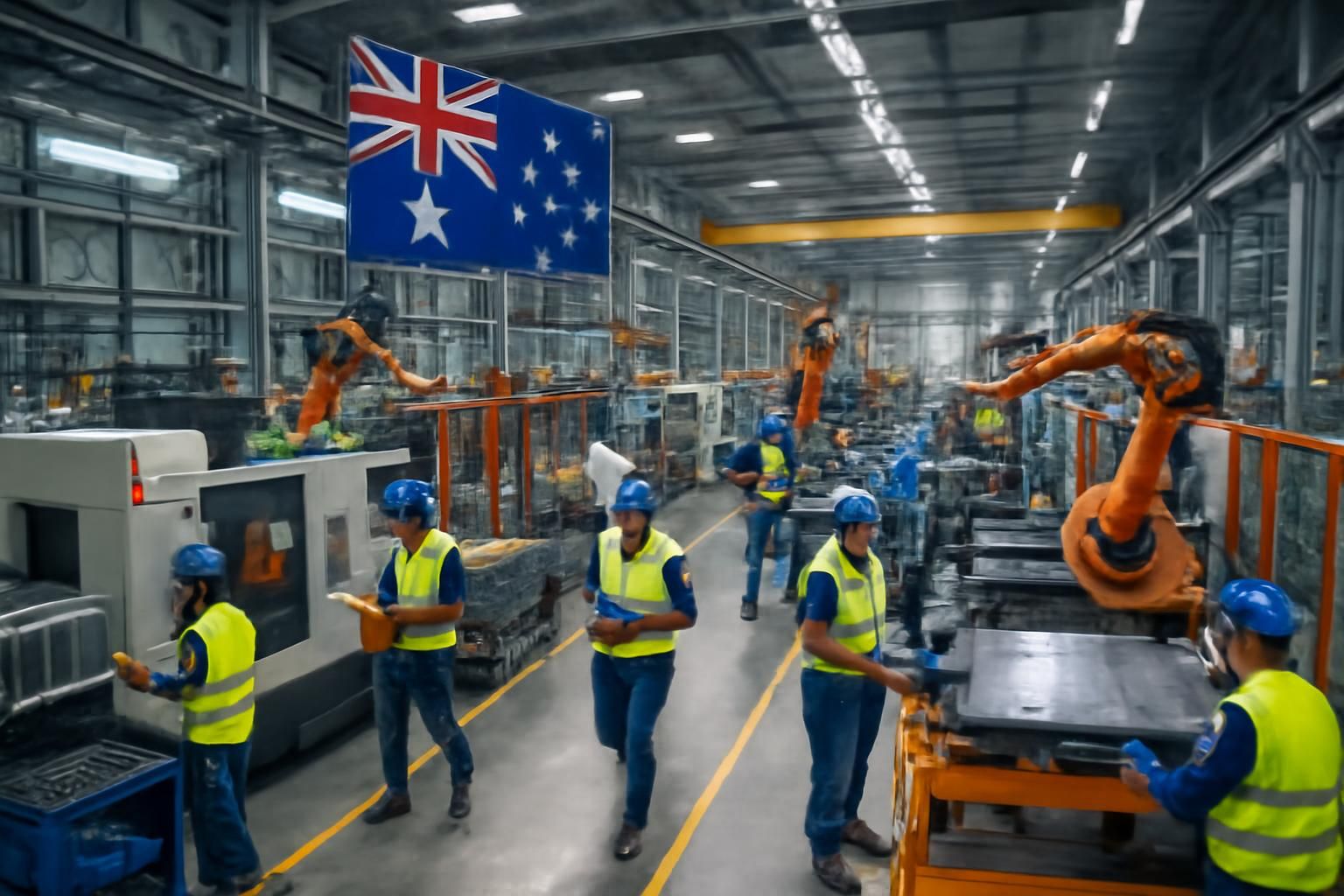
The July PMI peak corresponds with a noticeable increase in production volumes across various manufacturing sub-sectors. Industries ranging from automotive components to food processing have reported robust growth rates, underscoring diverse industrial vitality. Sustained production increases denote better supply-demand alignment and effective factory utilization.
Innovation is another pillar propelling this surge. Australian manufacturers focus on integrating sustainable practices and technology-led improvements to enhance competitiveness globally. For example, several companies have invested in renewable energy installations powering manufacturing operations, alongside circular economy principles such as material recycling to reduce waste.
A case in point is a Queensland-based electronics firm that adopted advanced data analytics and IoT (Internet of Things) devices to optimize production scheduling and minimize downtime. This digital transformation has bolstered output and reduced costs, contributing to the sector’s positive PMI performance.
Key Drivers Behind Production Growth
Several factors can be linked to rising production trends:
- Renewed domestic demand: Stimulated by consumer spending and infrastructure investments.
- Export market recovery: Growing orders from Asia-Pacific markets favor Australian goods.
- Technological adoption: Automation and digitization streamlining production.
- Government support: Policy incentives fostering R&D and capital expenditure.
- Skilled workforce: Improved training and recruitment addressing labor shortages.
Employment Growth and Workforce Dynamics in Australian Manufacturing
Employment levels in manufacturing have shown marked improvement, correlating with the sector’s expansionary PMI score. The fastest rise in hiring since the start of the year confirms manufacturers’ confidence in the ongoing recovery. This hiring trend addresses both immediate production needs and long-term growth strategies, focusing on skills and innovation capacity.
Manufacturers increasingly seek talent in advanced manufacturing techniques, robotics operation, and quality assurance to sustain competitiveness. Workforce development programs, in partnership with vocational training providers and universities, are increasingly critical to fill these specialized roles. These collaborations support a future-ready labor market tailored to evolving industry demands.
A detailed breakdown of employment growth by sub-sector reveals that food processing and metal fabrication saw the strongest job gains, reflecting booming production in these areas. This targeted hiring supports not just volume increases but productivity enhancements and innovation adoption.
| Manufacturing Sub-sector | Employment Growth (%) | Contribution to PMI |
|---|---|---|
| Food Processing | 4.5% | Significant impact due to high production volume |
| Metal Fabrication | 3.8% | Boost from increased new orders and exports |
| Machinery Manufacturing | 2.9% | Steady growth aligning with industrial demand |
Inflation and Cost Pressures Shadowing Manufacturing Growth
While the PMI reflects optimism, inflationary pressures remain a cloud over the manufacturing landscape in Australia. Rising input costs for raw materials, energy, and transportation challenge profit margins despite growing production and sales. These cost increases demand proactive pricing strategies and operational efficiencies from manufacturers.
Producers of steel, plastics, and chemical inputs highlight the tightening margins despite strong order books. To manage inflation’s impact, smart inventory management and supplier diversification are critical. Notably, shifts toward locally sourced inputs aim to reduce exposure to volatile global commodity markets.
Innovative cost-control methods, such as lean manufacturing and energy-efficient technologies, are gaining traction. Companies investing in these areas often report better resilience against inflation-driven cost hikes, enabling sustained growth reflected in consistent PMI readings.
Risks and External Challenges Affecting Production Outlook
Geopolitical tensions, especially in the Middle East, continue to pose risks to global supply chains and commodity prices, affecting Australian manufacturers’ outlooks. Volatility in oil markets can increase production and transportation costs, feeding into inflation. Additionally, trade policy uncertainties and fluctuating demand from key export destinations remain concerns.
The manufacturing sector’s strategic response includes diversifying export markets and strengthening domestic supply chains to mitigate these risks. Furthermore, businesses are focusing on agility and flexibility in operations to adapt swiftly to evolving international conditions. Adopting real-time data analytics enables better forecasting and resource allocation in unpredictable environments.
Government Policies Supporting Manufacturing Sector Advancement
The Australian government’s role is vital in sustaining the manufacturing sector’s momentum. Policies focused on innovation, infrastructure upgrades, and export facilitation support producers in scaling production and competing internationally. Incentives for clean energy adoption and digital transformation catalyze modernization efforts vital for long-term competitiveness.
Investment in vocational education and collaborative industry-research programs enhances workforce capabilities. Additionally, trade agreements and export support initiatives open new avenues for Australian manufactured goods. These government-backed programs aim to solidify manufacturing as a cornerstone of economic growth and employment.
Policy frameworks also promote sustainable practices, aligning with global standards and customer expectations. Encouraging environmentally responsible manufacturing helps Australian companies access premium markets and benefit from emerging global supply chain preferences for sustainable products.
Manufacturing Industry Outlook: Trends and Future Growth Opportunities
The manufacturing sector’s latest surge to a six-month peak signals promising future opportunities, driven by evolving technologies and changing market dynamics. Industry experts foresee continued growth in high-value-added manufacturing, including biotechnology, advanced materials, and precision engineering. The shift toward sustainable manufacturing also presents vast potential as companies innovate to reduce carbon footprints and waste.
Emerging opportunities include:
- Advanced robotics and automation: Enhancing productivity and reducing labor costs.
- Smart factories leveraging IoT and AI: Creating flexible, data-driven production systems.
- Green manufacturing: Developing eco-friendly processes and renewable energy integration.
- Customized manufacturing: Catering to niche markets with tailored products.
- Export diversification: Expanding into new international markets.
For businesses aiming to capitalize on these trends, continuous investment in R&D and workforce skills is essential. The sector’s resilience reflected in the S&P Global PMI and associated economic indicators underscores the manufacturing industry’s strategic role in Australia’s sustained economic health. Industry stakeholders can refer to detailed analyses at specialized economic blogs for insights on navigating future challenges and opportunities.
What does a PMI reading of 52.0 signify for Australia’s manufacturing sector?
A PMI reading above 50 signifies expansion. Specifically, 52.0 reflects a healthy growth rate in production, new orders, and employment within the manufacturing sector.
How have supply chain issues influenced the manufacturing surge?
The sector’s shift towards diversified suppliers and incorporation of technology has enhanced supply chain resilience, allowing smoother production and contributing to the PMI increase.
What role do government policies play in the industry’s growth?
Government initiatives supporting innovation, skills development, and export promotion create an enabling environment that sustains manufacturing expansion.
What challenges does the manufacturing sector face despite growth?
Key challenges include rising input costs due to inflation and external geopolitical risks impacting supply chains and commodity prices.
Which manufacturing sub-sectors are contributing most to employment growth?
Food processing and metal fabrication are leading employment growth areas, driven by higher production demand and export opportunities.