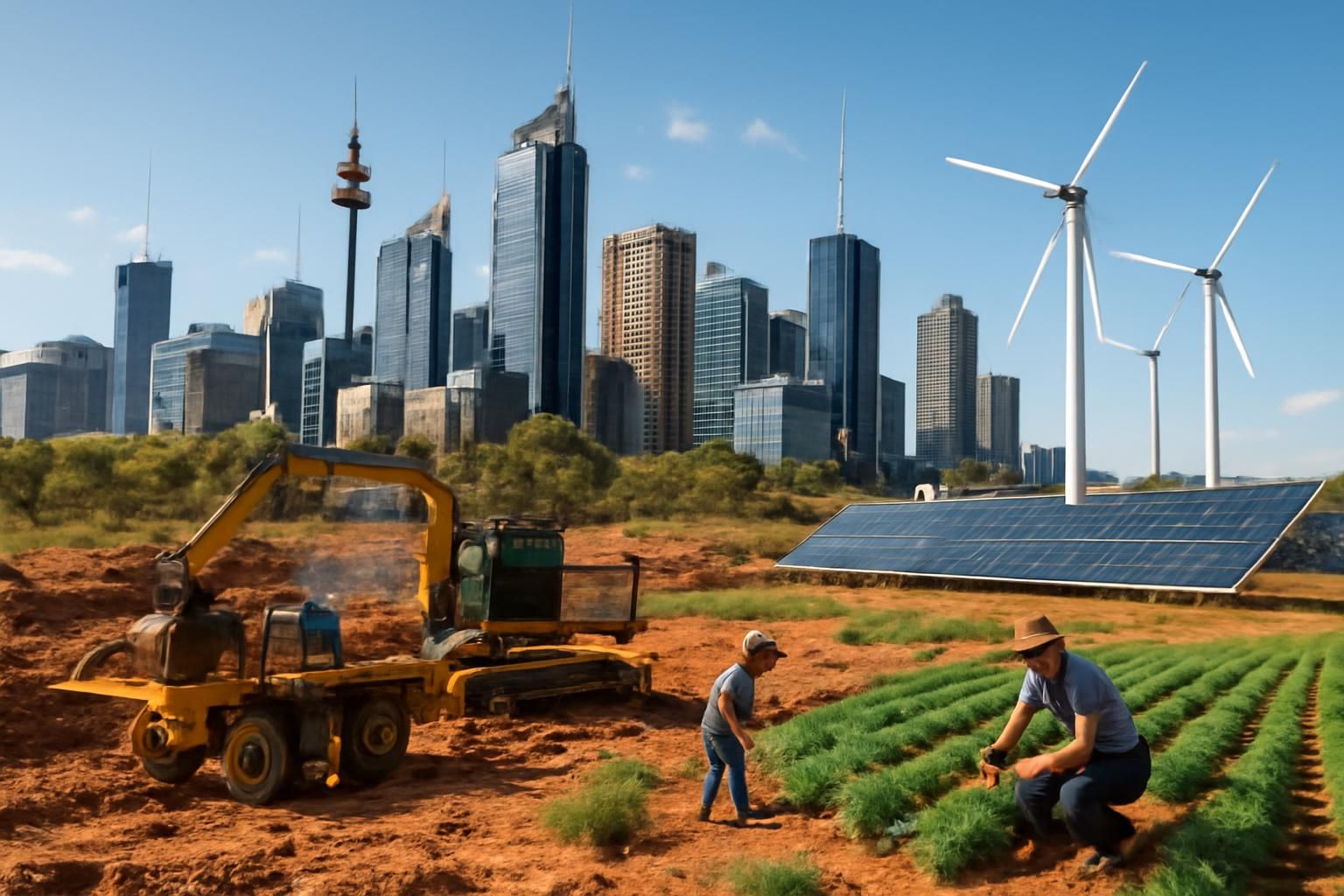
Australia’s business landscape is an evolving mosaic of opportunities shaped by technological innovation, economic growth, and shifting market trends. As the nation moves forward, sectors such as renewable energy, technology, healthcare, and infrastructure have emerged as pivotal drivers of change. This dynamic environment reflects Australia’s commitment to sustainability, digital transformation, and global trade connectivity, offering fertile ground for entrepreneurs, investors, and policymakers alike.
Understanding these shifts requires a deep dive into how industry sectors respond to emerging challenges such as remote work trends, consumer demands for personalization, and geopolitical factors influencing investment stability. Equally important is recognizing the balance between traditional industries like mining and construction and the rapid growth in newer fields such as artificial intelligence and telehealth. This comprehensive guide unpacks these elements, providing a roadmap for navigating Australia’s diverse and robust economic terrain.
- Digital transformation continues to redefine operational strategies across all sectors.
- The rise of remote work shapes employment patterns and workforce management.
- Sustainability influences corporate agendas and consumer behavior decisively.
- Growth sectors like renewable energy, AI, and healthcare tele-services promise accelerated opportunities.
- Consumer trends focus on online shopping and personalized experiences.
- Investors benefit from strategic insights into sector analysis and market dynamics.
- Awareness of geopolitical risks enhances resilience in volatile markets.
- Ongoing innovation and entrepreneurship play critical roles in maintaining competitive advantages.
Digital Transformation and Its Pervasive Impact on Australia’s Business Sectors
The digital revolution continues to shape Australia’s business landscape by accelerating technological adoption across all industry sectors. From small enterprises to multinational corporations, digital tools have become embedded in daily operations, enabling efficiency, responsiveness, and innovation. For instance, the rise of cloud computing and automation allows companies to streamline supply chains, reduce operational costs, and access global markets more effectively.
Technology firms, especially those specializing in artificial intelligence and cybersecurity, are at the forefront of this shift. With a projected market growth exceeding 27% by 2026, the AI sector is not only a key economic driver but also a catalyst for innovation across other industries. Companies that integrate AI for data analytics, customer engagement, and predictive maintenance gain distinct competitive advantages.
The retail industry, meanwhile, embraces e-commerce platforms and digital payment systems, responding to consumer demands for convenience and personalization. By leveraging these technologies, retailers can customize marketing strategies, enhance user experiences, and optimize inventory management. This transformation extends to logistics and supply chain businesses, which use real-time data and AI to improve delivery efficiencies and adaptability to disruptions.
Despite these advancements, challenges remain, such as ensuring cybersecurity, managing data privacy, and upskilling workforces. Businesses investing in digital capabilities often implement comprehensive training programs to align employee skill sets with evolving technological requirements. Governments and industry bodies are also facilitating digital literacy initiatives to close gaps and boost economic competitiveness.
This pervasive influence of digital transformation extends across Australia’s diverse economic sectors, recommending continuous adaptation and innovation as essential to sustainable growth. For a detailed exploration of how technology reshapes markets, visit technology’s role in Australia’s evolving industries.

The Rise of Remote Work and Its Implication on Australia’s Workforce Dynamics
Remote work surged out of necessity during global disruptions and has since become a defining feature of Australia’s business environment. Flexible work arrangements have reshaped company cultures, workforce expectations, and operational models throughout the country. According to recent data, businesses that employ over 200 staff have increased employment by 2.6%, suggesting the ability to scale operations even in remote scenarios.
The benefits of remote work include increased employee satisfaction, access to a wider talent pool, and reduced overhead costs. For example, tech startups in key cities like Sydney and Melbourne recruit globally, allowing Australian companies to tap into diverse skill sets. Moreover, regional areas benefit by becoming viable locations for remote employees, assisting the decentralization of economic activity beyond metropolitan hubs.
Companies face challenges such as maintaining productivity, securing digital infrastructure, and fostering collaborative environments virtually. Innovative platforms for project management, video communication, and cloud collaboration have become essential tools. Businesses that successfully blend remote and in-office work models tend to adopt hybrid approaches, which offer flexibility while preserving team cohesion.
Additionally, this shift stresses the importance of mental health support and work-life balance initiatives. Employers invest in wellness programs tailored to remote workers, focusing on flexible scheduling and social connectivity. These efforts contribute to the broader health and wellness market, which is itself a key growth sector underpinning Australia’s economic resilience.
Embracing remote work not only transforms the workforce but also influences urban planning and commercial real estate markets, creating new patterns of demand and opportunity within Australia’s economic fabric. For further insights, explore the evolving role of workplace culture in Australia’s Business Landscape here.
The Imperative of Sustainability Driving Corporate Practices and Market Expectations
Sustainability has moved from a peripheral concern to a central pillar in Australia’s business landscape. Stakeholders increasingly demand eco-friendly products, responsible sourcing, and reduced carbon footprints among corporations. This shift elevates sustainability from corporate social responsibility to a fundamental strategic priority that shapes investment decisions and consumer loyalties.
Renewable energy spearheads this transformation with substantial governmental and private investments aimed at reducing dependency on fossil fuels. Projects incorporating solar, wind, and hydrogen technologies receive prioritization, reflecting a national commitment to achieving net zero emissions. Companies integrating sustainable technologies often realize cost savings through energy efficiency and benefit from reputational advantages.
Consumer behavior also mirrors this shift, with market trends indicating a higher willingness to purchase from brands emphasizing environmental stewardship. For example, Australian consumers increasingly expect packaging to be recyclable and products to have transparent lifecycle information. Businesses adopting circular economy principles, such as product recycling and waste reduction, find themselves better positioned to capture this demand.
This focus impacts industries from manufacturing to finance. Banks and investment firms incorporate ESG criteria into their asset evaluations, channeling capital toward sustainable ventures. Similarly, construction leverages green building certifications that improve property values and meet regulatory requirements. The confluence of these factors drives a holistic ecosystem where innovation and sustainability coexist.
For a comprehensive look at the evolving sustainability landscape across Australia’s industry sectors, review the detailed analysis provided by Austrade’s initiatives dedicated to facilitating green investments and industry best practices.
Key Industry Sectors Projected for Growth and Their Economic Contributions
Australia’s diverse industry sectors contribute variably to economic growth, each exhibiting distinct trajectories shaped by market trends and policy environments. Below is an analysis of sectors identified as crucial in 2026, highlighting their contributions, growth prospects, and challenges.
| Industry Sector | 2024-25 OPBT Change | Notable Trends | Growth Drivers |
|---|---|---|---|
| Mining | -19.1% (-$32.9b) | Decline in profit but ongoing significance in exports | Commodity demand, innovation in extraction methods |
| Rental, hiring and real estate services | +47.6% (+$20.2b) | Strong profit rebound, urban housing demand | Urbanization, property development |
| Health care and social assistance (private) | +15.9% (+$6.0b) | Growth in telehealth, aging population support | Technological innovation, demographic trends |
| Construction | +9.0% (+$5.2b) | Infrastructure expansion, urban growth | Government expenditure, housing projects |
| Transport, postal and warehousing | + ($4.1b) increase in earnings | Logistics modernization, supply chain optimization | E-commerce growth, automation |
Despite a contraction in mining profits, most industries experienced revenue increases, reflecting a resilient and adaptive economic structure. Notably, sectors such as real estate, healthcare, and construction benefit from ongoing urbanization and shifting consumer needs, demonstrating potential for investors and entrepreneurs.
Consumer Behavior Trends Reshaping Australian Markets
Understanding consumer behavior is essential for businesses to align offerings with market demand. In Australia, recent years have seen profound alterations driven by technological access, ecological awareness, and lifestyle changes.
Online Shopping Expansion dominates, as convenience and variety drive consumers to digital platforms. Retailers increasingly invest in omni-channel presence to merge in-store and online experiences, thereby increasing customer retention.
Personalization and Customization also stand out, with consumers expecting tailored products and services. Brands utilize data analytics to deliver personalized marketing, catering to unique preferences and improving engagement.
Sustainability Preferences influence purchasing decisions, with greater numbers favoring companies committed to eco-friendly production and fair trade. This trend is particularly notable among younger demographics, who prioritize values alignment in brand loyalty.
These trends underline the importance of adapting business strategies to meet evolving consumer expectations, positioning companies to capitalize on shifting demands. More comprehensive insights can be found by exploring consumer market trends in Australia.
Strategies for Identifying Investment Opportunities Within Australia’s Dynamic Economy
Investment strategy in Australia involves an informed assessment of sector analysis, market trends, and risk management. Successful investors leverage detailed insights into growth sectors and market behaviour to optimize returns and minimize exposure.
Sector Focus prioritizes industries exhibiting robust growth trajectories such as renewable energy, technology, and healthcare. Understanding the nuances within these sectors allows for targeted investments aligned with future demand.
Diversification remains a cornerstone strategy, spreading investment across multiple industries to hedge against volatility. This is pertinent given the possible impact of geopolitical tensions and regulatory shifts that may affect specific sectors disproportionately.
Environmental, Social, and Governance (ESG) Criteria are becoming integral to investment decisions. Australia’s increasing commitment to sustainability means that companies prioritizing ESG align well with government incentives and consumer preferences, enhancing long-term viability.
In parallel, ongoing geopolitical developments such as trade policies and regional stability need continuous monitoring as they directly influence market access and operational costs for businesses.
These approaches provide a robust framework for navigating Australia’s economic growth sectors. For further guidance on investment strategies, consult expert resources on investment opportunities in Australia.
Understanding Geopolitical Risks and Their Influence on Market Stability in Australia
Geopolitical factors profoundly impact Australia’s industry sectors and investment climate. As a key player in global trade, Australia’s market faces risks ranging from trade wars to international regulatory changes.
Trade Disruptions due to fluctuating tariffs and import/export restrictions affect supply chains, especially in mining, agriculture, and manufacturing. Companies must build agility to mitigate interruptions.
Regulatory Environments evolve in response to domestic and international pressures, often imposing stricter standards, including environmental compliance. These changes require adaptive operational strategies to maintain competitiveness.
Environmental Policies increasingly shape business practices, with the Australian government pushing for ambitious carbon reduction targets influencing all sectors. Firms embracing sustainability demonstrate better risk management and access to new markets.
Understanding these risk factors and their interdependencies is crucial for businesses and investors to plan strategically, ensuring resilience. Engaging with continuous geopolitical and economic analysis supports proactive decision-making.
Entrepreneurship and Innovation as Catalysts in Australia’s Business Landscape
Entrepreneurship fuels Australia’s economic vitality, supported by a culture of innovation and government facilitation. Startups and small-medium enterprises (SMEs) are instrumental in diversifying the business ecosystem and introducing disruptive technologies.
Initiatives focusing on technology incubation, access to capital, and knowledge sharing foster an environment where innovative ideas transform into viable businesses. For example, incubators in tech hubs like Sydney enable AI startups to advance rapidly, contributing to sectoral growth and employment.
Innovation is not limited to tech. Traditional sectors such as agriculture incorporate precision farming and sustainable practices, improving productivity and environmental outcomes. This cross-sector innovation underscores Australia’s adaptability and global competitiveness.
Entrepreneurs who harness emerging trends like remote work and sustainability position themselves strategically to capture investment and market share. Continuous learning and engagement with industry networks are vital for success in a competitive landscape.
Exploring practical entrepreneurship strategies shared in Australia’s marketplace can enhance understanding and foster growth among emerging business leaders.
What are the main industry sectors driving Australia’s economic growth in 2026?
Key sectors include renewable energy, technology (especially AI and cybersecurity), healthcare with telehealth services, construction, and real estate services, which collectively shape Australia’s economic landscape.
How is digital transformation influencing Australian businesses?
Digital transformation accelerates operational efficiencies and innovation, with widespread adoption across all sectors. It particularly boosts technology, retail, and logistics, enabling better customer experiences and market expansion.
What strategies can investors employ to identify opportunities in Australia?
Investors should focus on sector analysis, diversify their portfolios, and incorporate ESG criteria to align with sustainable growth and mitigate risks from geopolitical and regulatory changes.
How does sustainability factor into Australia’s business practices?
Sustainability is central to corporate strategies, driving investments in renewable energy, eco-friendly manufacturing, and responsible sourcing, reflecting consumer and regulatory demands.
What role does remote work play in shaping the future workforce?
Remote work fosters flexibility, expands talent pools, challenges traditional workplace models, and necessitates innovative management and mental health support systems.