
The Los Angeles Rams’ decision to adopt a “quick in-and-out” travel strategy for their groundbreaking NFL Australia game has sparked widespread debate. Unlike the San Francisco 49ers, who arrived in Australia a full week early to acclimate to the time differences and environment, the Rams landed just about a day before kickoff. This choice was not impulsive but the result of a rigorous two-year study involving 15 staffers analyzing sleep patterns, circadian rhythms, and optimal ways to counter the toll of long-haul travel on player performance. While this meticulous approach aimed to keep players’ internal clocks aligned closely with their American schedule, the outcome in Melbourne was far from successful. The Rams suffered a decisive 27-7 defeat to the 49ers, prompting fans and analysts alike to slam their travel choices amid concerns that the strategy undermined their performance.
The optics of a 35-hour layover compared to a full week of preparation for the 49ers painted a picture of a hastily assembled game plan that failed under the pressure of international logistics. As social media lit up criticizing the Rams’ approach, the discourse underscored the tension between exhaustive scientific preparation and on-the-field results. Nevertheless, head coach Sean McVay dismissed suggestions that the travel plan contributed to the loss, maintaining that the team’s performance issues were unrelated to their arrival timing. Still, the controversy surrounding this “quick in-and-out” approach highlights an evolving challenge for NFL teams expanding their footprint globally: how to marry scientific travel strategies with football preparation to ensure peak performance in unfamiliar environments.
Understanding the Rams’ ‘Quick In-and-Out’ Travel Strategy: Science Behind the Choice
The Rams’ “quick in-and-out” strategy was far from a knee-jerk reaction. Over two years, the team dispatched 15 staffers overseas to conduct comprehensive research on how long-distance jet lag impacts athletic performance. This involved studying sleep physiology, circadian rhythms, and how the human body adjusts to shifting time zones. The objective was to find a way for the players to remain as close as possible to their home time zone rhythm, so their internal clocks would not be wildly disrupted by the nearly 16-hour flight to Melbourne.
Physiology plays a central role in athletic performance. Disruptions to circadian rhythms can cause sleep deprivation, fatigue, and cognitive blunting, all of which negatively affect reaction times and decision-making on the football field. By traveling just one day before kickoff, the Rams hoped to minimize the jet lag’s negative side effects by shortening the period in which players had to operate outside their established rhythms.
Physiological data collected during the preparatory phase revealed that a prolonged wait in a radically different time zone often results in internal desynchronization—where athletes feel alert at times that do not align with local game times. The Rams prioritized keeping their players’ body clocks synchronized to Pacific Time, the team’s home zone, even if it meant sacrificing acclimatization to Australia’s environment. The decision to fly late was aimed at limiting time spent in local time while reducing circadian misalignment both pre- and post-game.
Critics argue this approach neglected the environmental factors such as climate, stadium atmosphere, and practice schedules, which can impact player comfort and performance. However, Rams management defended their method as the culmination of meticulous data-driven strategy designed to leverage modern sports science in travel logistics. This emphasis on science over tradition marked a distinct philosophy compared to the 49ers, who opted for a more conventional acclimatization period by arriving early.
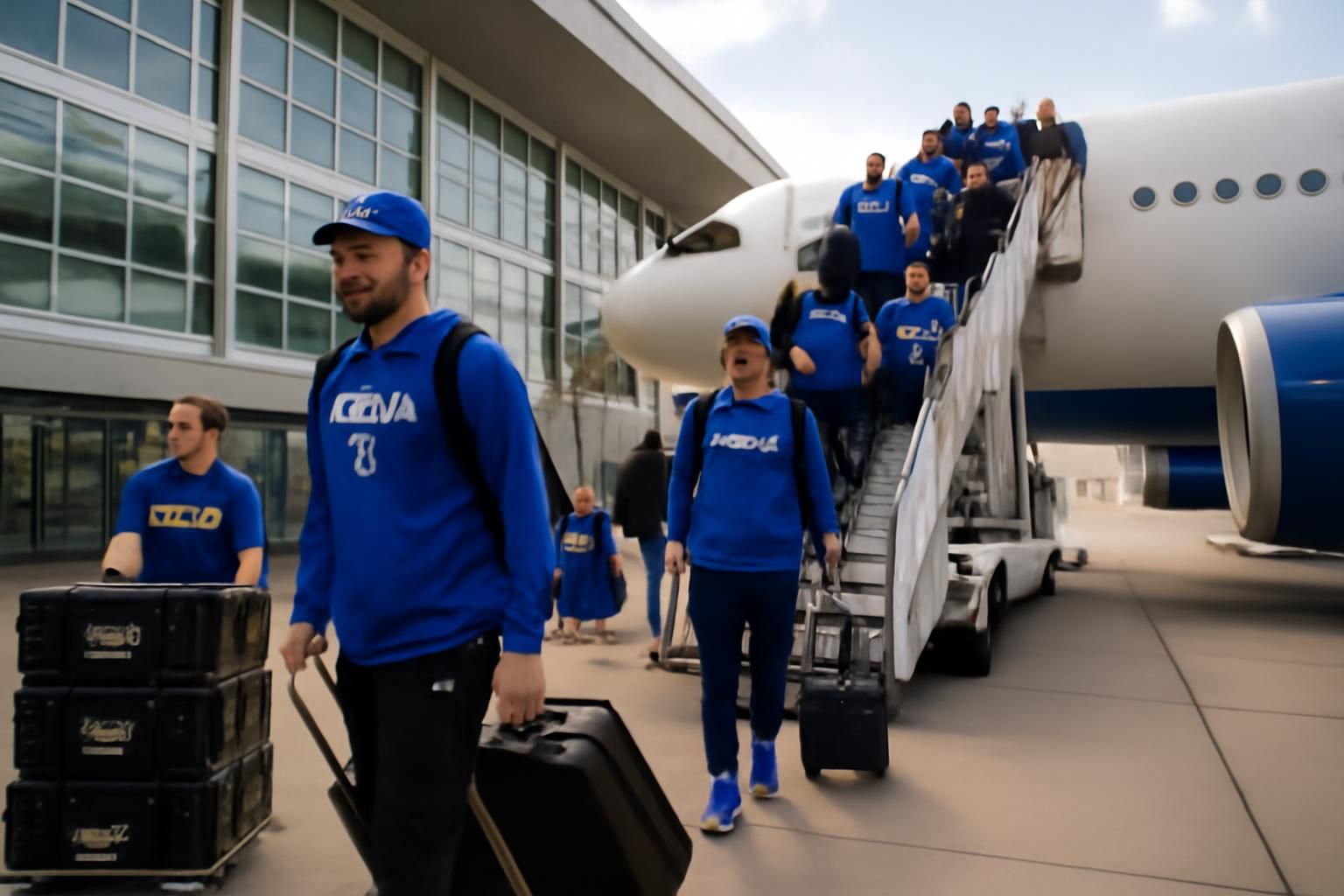
Contrasting the Travel Strategies: Rams vs. 49ers
The Rams and 49ers’ opposing travel strategies for the 2026 NFL season opener in Australia offered a real-world test case for different approaches to long-haul sports travel. While the Rams touched down in Melbourne roughly 28 hours before kickoff, the 49ers landed a full week prior. This contrast not only highlighted differing philosophies but also raised important questions about preparation, player well-being, and competitive edge in international NFL games.
The 49ers’ prolonged stay allowed them a full week to adapt their training schedules, acclimate to weather conditions, adjust to the local time zone, and optimize recovery routines. Their players also had access to a complete practice week in familiar facility conditions, numerous media appearances, and community events, allowing a deeper engagement with the Australian fanbase and market. This extended arrival demonstrated a comprehensive approach to enhanced readiness.
On the other hand, the Rams’ approach aimed to keep players physically and mentally closer to their home environment, potentially minimizing the negative impact of jet lag upon return to the U.S. This “in-and-out” method was constructed carefully during months of scientific evaluation, intending to reduce fatigue and risk often associated with prolonged overseas stays.
In the lead-up to the game, analysts speculated about which approach would pay dividends on the field. The 49ers’ dominant 27-7 victory seemed to favor the longer acclimation period. However, the variables at play in any single game are multifaceted — including team preparation, individual performances, and in-game strategies — making it difficult to isolate travel strategy as the single determinant of outcome.
This real-world comparison between the Rams and 49ers offers valuable lessons for NFL franchises considering international expansion and travel plans. Deciding between immediate readiness versus comprehensive acclimatization requires balancing scientific insights with the unpredictable nature of football competition.
Logistical and Marketing Implications of the Rams’ Travel Choice
The Rams’ minimalist schedule in Melbourne, with just about 35 hours on Australian soil, not only influenced on-field dynamics but also affected off-field opportunities from a marketing and brand-building perspective. Extended stays in a new market traditionally facilitate community engagement, fan interaction, media coverage, and promotional events, helping franchises enhance their global reach and local presence.
Given the Rams’ years-long effort to build their brand in Australia, the “quick in-and-out” travel pattern raised eyebrows among marketing professionals who questioned whether the team missed valuable opportunities to deepen connections with the Australian fanbase. A longer stay could have enabled appearances in local schools, charity events, merchandise launches, and multiple fan meet-and-greets.
From a logistical standpoint, the compressed schedule increased pressures on staff and players to manage recovery, nutrition, media obligations, and practice. The tightly packed itinerary left little room for unforeseen issues such as travel delays or minor injuries. Moreover, this approach required smooth coordination to prevent fatigue from affecting performance, presenting a formidable management challenge.
The Rams’ experience underscores how international expansions in sports compel teams to rethink their operational and commercial frameworks. Teams must assess whether the premium placed on physiological performance through rapid travel adjustments justifies potential losses in community engagement versus traditional extended visits that balance both athletic and promotional goals.
Public and Fan Reactions to the Rams’ Controversial Strategy
Social media platforms exploded with commentary following the Rams’ loss and their unorthodox travel approach. Fans, former players, and analysts alike voiced criticism, often suggesting the strategy was overly complicated and failed to account for basic game-day preparation needs.
Many social media posts humorously depicted the Rams’ travel plans as disconnected from reality, with users circulating jokes about the team “sleepwalking” through the opening game. Others questioned the utility of sending 15 staffers abroad over two years only for the strategy to appear ineffective when it mattered most.
This wave of criticism reflects the high expectations NFL fans place on team management, especially when significant resources are allocated. While some commentators acknowledged the scientific rationale, they argued that football ultimately requires tangible, on-field success to justify experimental approaches.
Amidst the criticism, Sean McVay stood firmly by his team’s process, dismissing the assumption that travel issues led to poor performance. His remarks highlighted a common theme in professional sports: the complexity of attributing outcomes to any single factor and the need to maintain focus beyond external narratives.
Scientific Perspectives on Jet Lag and Athletic Performance
Understanding the Rams’ travel choice requires appreciation of how jet lag affects professional athletes. Jet lag results from crossing time zones, disrupting the body’s internal circadian rhythm, and causing symptoms like fatigue, reduced cognitive function, and impaired physical performance.
Studies indicate that rapid travel eastward, such as crossing the international date line from the U.S. West Coast to Australia, can be more disruptive than westward travel due to shortened daily cycles. Athletes need time to re-synchronize their biological clocks with local time to perform optimally.
To mitigate these effects, sports science explores various protocols: gradual adaptation of sleep schedules before travel, controlled light exposure, strategic napping, and timed nutritional intake. The Rams’ strategy aimed to lessen the total disruption period by limiting time spent in the foreign time zone, theoretically allowing players to maintain their peak circadian function around their home schedule.
However, this approach remains controversial within the sports science community as empirical data on its effectiveness is mixed. While some experimental insights support rapid in-and-out travel, others reinforce acclimatization’s importance emphasizing local time adjustment for optimal performance in games.
The Rams’ experience adds valuable case study material for continuing research on international travel and athlete health management in professional football and beyond.
Detailed Comparison Table: Rams vs. 49ers Travel Strategy for NFL Australia 2026
| Aspect | Los Angeles Rams | San Francisco 49ers |
|---|---|---|
| Arrival Time Before Game | Approximately 28 hours before kickoff | One week before kickoff |
| Duration of Stay | About 35 hours | Seven days |
| Travel Strategy | “Quick in-and-out” to minimize circadian disruption | Extended acclimatization period to local time |
| Staff Involvement | 15 staffers over two years researching travel effects | Standard team staff coordination for early arrival |
| Performance Outcome | 27-7 loss | 27-7 win |
| Marketing Impact | Limited local engagements due to short stay | In-depth local marketing and fan interactions |
Future of NFL International Games: Lessons from the Rams’ Travel Experience
The Rams’ travel dilemma opens a broader conversation about NFL expansion abroad and how teams should navigate the logistical and performance challenges such games pose. International venues require teams to develop plans that simultaneously prioritize player well-being, competitive readiness, and local market growth.
Future NFL international games may see franchises blending scientific advances in circadian management with extended acclimatization to optimize outcomes. Innovations such as personalized sleep tech, AI-driven travel schedules, and enhanced recovery protocols could tailor travel plans more effectively than a one-size-fits-all approach.
Moreover, integrating marketing considerations to leverage international games for brand building will remain critical. Teams must weigh the benefits of extended stays against the risk of player fatigue in tight schedules. The Rams’ experience suggests that a rigid focus on minimizing time on foreign soil may undermine holistic success.
As the NFL continues to explore markets like Australia, London, and Mexico City, lessons from the Rams’ controversial strategy will shape best practices. Prioritizing adaptable travel models that respect both player science and the immersive nature of international competition will help franchises avoid the pitfalls observed in 2026.
In Brief: Key Takeaways on Rams’ Travel Strategy Controversy
- The Rams implemented a scientifically-driven “quick in-and-out” travel plan to minimize jet lag by keeping players close to home time.
- The 49ers chose an extended acclimatization strategy by arriving a full week early in Australia.
- Despite extensive preparation, the Rams suffered a decisive loss, raising questions about the effectiveness of their travel approach.
- Fans and critics heavily criticized the Rams’ travel choices on social media, citing missed opportunities and performance impacts.
- Coach Sean McVay denied travel as a factor in the team’s poor performance, emphasizing other aspects of game readiness.
- The NFL’s international expansion demands balancing scientific travel strategies with marketing and competitive goals.
- Future approaches may combine advanced travel science with longer acclimatization periods customized for each team and player.
- Understanding jet lag’s physiological effects remains vital to optimizing athlete performance in global NFL contests.
Explore More Insights on NFL Travel and Performance Strategies
For readers eager to delve deeper into the complex relationship between travel logistics and football performance, resources like scientific sleep and travel studies and circadian rhythm impacts on athlete health provide comprehensive background. These articles detail how teams like the Rams incorporated modern sleep science into their game preparations.
Similarly, insights into optimizing long-haul travel and jet lag recovery can be found in transition protocols used by professional athletes. Understanding these frameworks reveals how sports organizations attempt to blend tradition with innovation to maintain peak athletic performance across time zones.
What was the main goal behind the Rams’ quick in-and-out travel strategy?
The Rams aimed to minimize circadian rhythm disruption for players by limiting time spent in a vastly different time zone, hoping to keep players’ internal clocks aligned closely to their home schedule.
How did the 49ers’ travel strategy differ from the Rams’ approach?
The 49ers arrived in Australia a full week before the game to allow players to fully acclimate to the local time, climate, and environment, contrasting with the Rams’ quick arrival a day before the game.
Did the Rams’ travel plan contribute to their loss in Melbourne?
Coach Sean McVay denied that the late arrival and travel plan contributed to the team’s poor performance, attributing the loss to other factors rather than the travel strategy.
What kind of preparation went into the Rams’ travel strategy?
The Rams conducted a two-year study with 15 staffers researching sleep patterns and jet lag effects to design a travel plan aimed at optimizing player readiness through scientific analysis.
How might the Rams’ experience shape future NFL international travel plans?
Their experience shows the importance of balancing scientific travel strategies, acclimatization time, and marketing opportunities, likely encouraging more flexible and tailored travel plans for international NFL games.