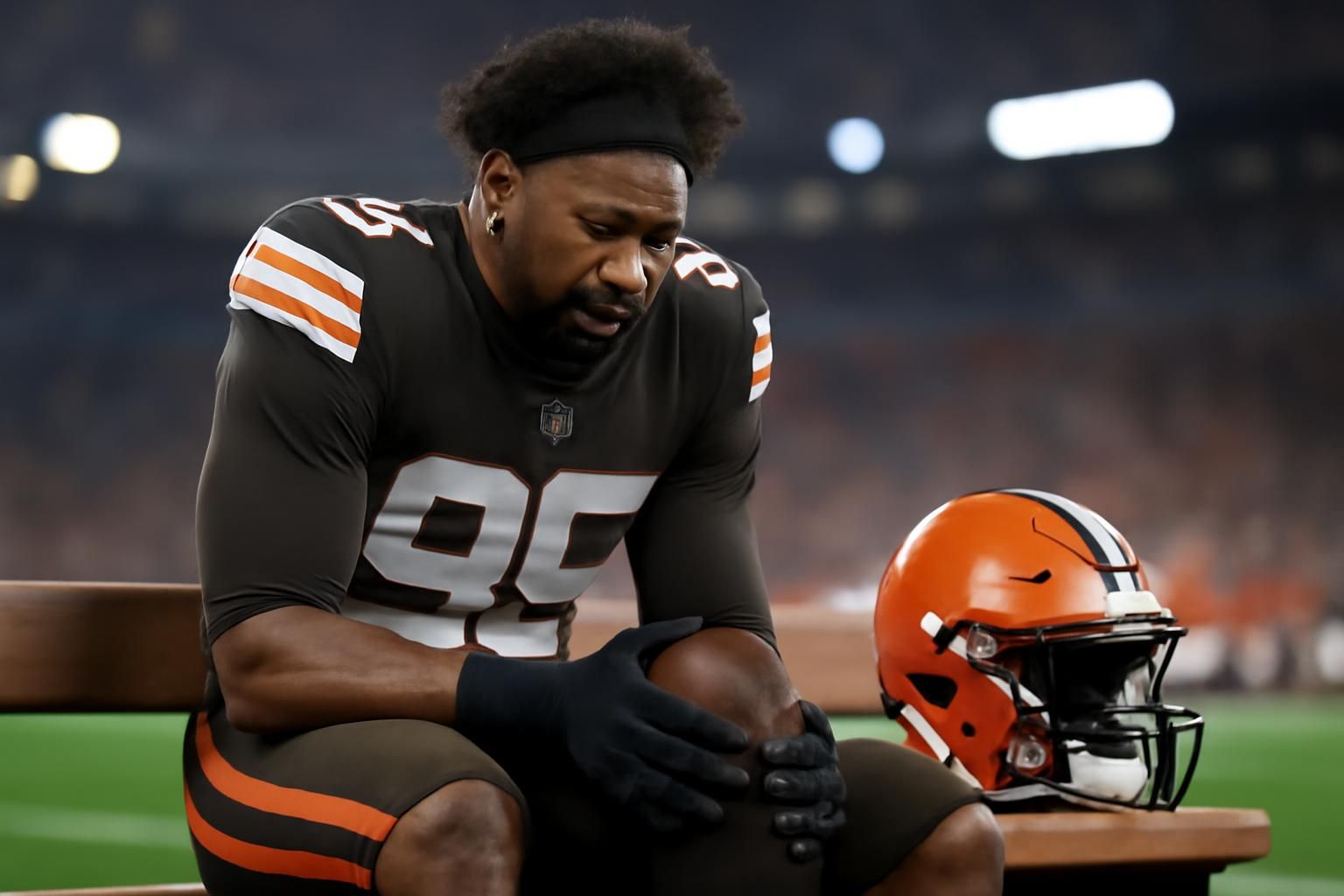
In a surprising start to the 2026 NFL season, Myles Garrett’s debut with the Los Angeles Rams was notably muted, as the powerhouse defensive end failed to record a single tackle or sack in the matchup against the San Francisco 49ers. Soon after the game, Garrett candidly revealed that a serious knee injury hampered his performance, shining a spotlight on the physical toll the NFL takes on even its most elite athletes. This revelation has sparked discussions around sports injuries, rehabilitation protocols, and the impact of playing through pain in professional football.
Key points to understand from Myles Garrett’s situation include:
- The severity of Garrett’s knee injury and its potential implications on his career and the Rams’ defensive strategies.
- The effects of sports injuries on athletes’ debut performances and overall career trajectory.
- The role of rehabilitation and how athletes manage recovery while trying to contribute to their teams.
- A look at how important tackles and defensive plays are in signaling an effective football debut for defensive ends.
- The broader context of injury management in the NFL and its influence on player longevity.
Understanding Myles Garrett’s Knee Injury: Causes and Implications
Myles Garrett, widely recognized for his explosive athleticism and game-changing defensive plays, entered the 2026 NFL season with heightened expectations. His acquisition by the Los Angeles Rams was anticipated to bolster an already potent defensive line. However, a serious knee injury became a significant hurdle from the onset. This section explores the nature of the knee injury Garrett revealed, breaking down common types of knee injuries seen in football, their causes, and the specific challenges they present.
Knee injuries in football often arise from sudden pivoting movements, direct blows, or hyperextension. In Garrett’s case, while the exact diagnosis has yet to be fully detailed, indications point toward a ligament-related injury—possibly involving the medial collateral ligament (MCL) or the anterior cruciate ligament (ACL). Such injuries can cause swelling, reduced mobility, pain, and instability, which severely impact a player’s ability to perform tackles, rush the passer, or maintain balance during rapid directional changes.
The implications for Garrett and the Rams’ defensive unit are twofold. First, physically, Garrett will face a demanding rehabilitation timeline, during which his mobility and strength need to be meticulously rebuilt. Second, strategically, the Rams’ defensive coordinators must adapt their game plans to compensate for the absence or limited effectiveness of one of their star defenders. This adjustment affects defensive schemes, rotations, and potentially the Rams’ overall competitiveness.
Understanding this injury’s impact also requires acknowledging how the NFL’s fast-paced nature demands resilience. Football players often experience cumulative knee stress from countless plays, making maintenance and injury prevention critical yet difficult. Garrett’s openness about his injury calls attention to the ongoing challenge NFL athletes face: balancing immediate performance pressure with long-term health considerations.
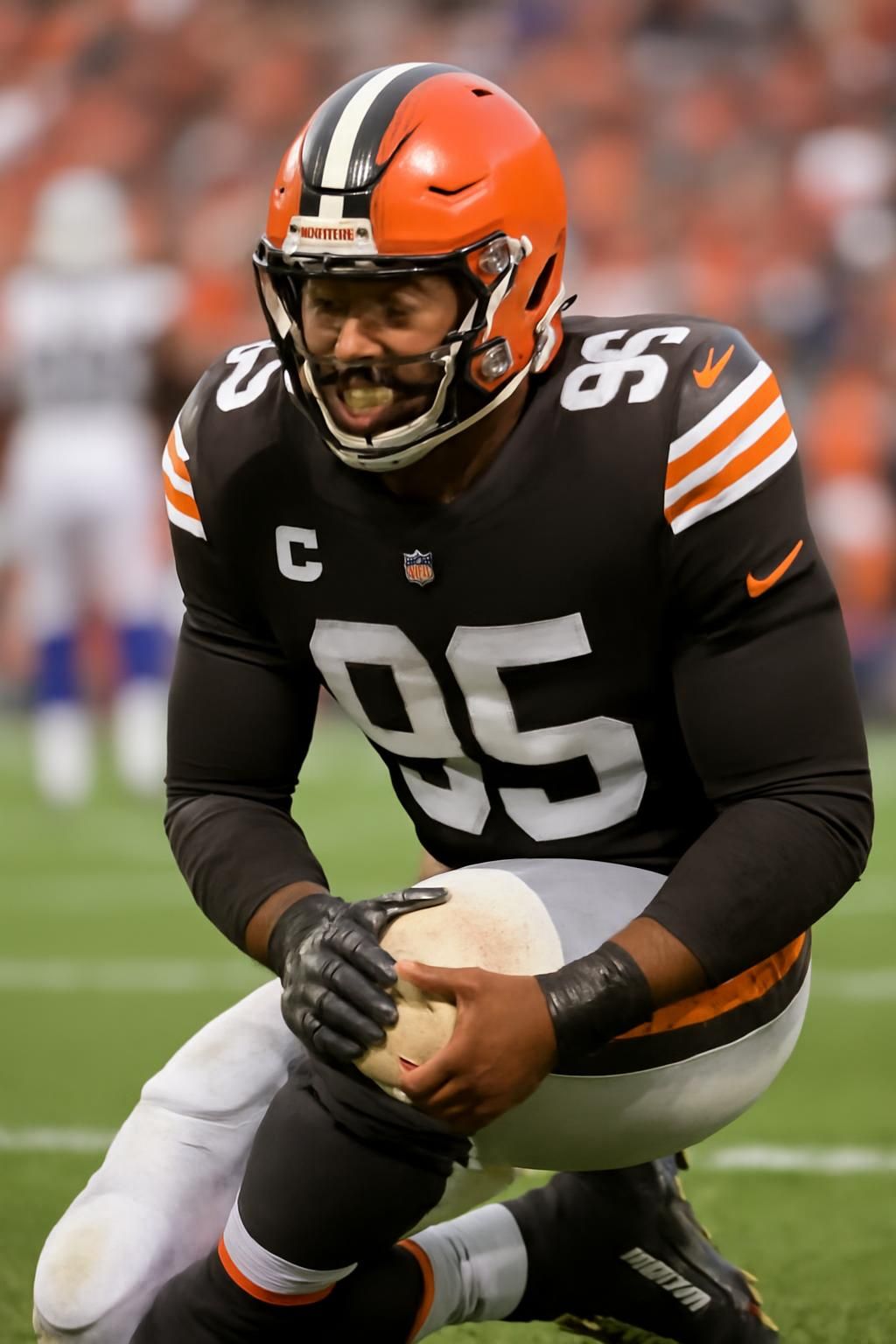
The Role of Tackles in Measuring Defensive Player Performance in the NFL
Tackles remain a primary statistic to evaluate defensive players like Myles Garrett, especially defensive ends whose primary responsibility includes stopping runs and pressuring the quarterback. Despite the complexity of defensive duties, tackles provide a clear and quantifiable measure of a player’s involvement in disrupting the offense.
Garrett’s scoreless tackle debut exemplifies how injuries or other factors can visibly impact performance. A tackle isn’t merely a statistic; it signifies a defender’s ability to read plays, react with speed, and physically halt an opponent. For a player of Garrett’s caliber, zero tackles in a debut are an immediate red flag, prompting discussions around his readiness and health.
This section also investigates the broader analytics of tackling within football, showcasing how modern NFL teams use advanced metrics combining tackle efficiency with pressures, sacks, and forced turnovers to assess a player comprehensively. In doing so, it becomes evident that while tackles remain crucial, they represent one aspect of a multifaceted defensive contribution.
Additionally, this topic connects to rehabilitation and injury management since a hindered player often struggles to reach optimal tackling effectiveness. As seen in Garrett’s case, the lack of tackles was directly tied to his knee’s compromised state. Coaches and sports medicine professionals also focus on these metrics to tailor recovery and training programs, enabling players to gradually regain full functionality.
The Impact of Sports Injuries on Debut Performances and Career Trajectories in the NFL
Debut performances carry significance beyond stats; they set the tone for a player’s season and influence coaches’ trust and fans’ expectations. When injuries cloud these initial efforts, the consequences ripple through a player’s confidence and team dynamics. Myles Garrett’s situation illustrates this impact vividly.
It’s crucial to recognize the mental and physical toll injuries impose. A serious knee injury can disrupt a player’s biomechanics, creating compensatory patterns that reduce performance efficacy or increase the risk of future injuries. The psychological burden can be equally daunting, with athletes grappling with frustration, pressure to return prematurely, and anxiety over career progression.
Numerous NFL players have faced similar setbacks during critical career moments. For instance, legendary players who endured injury-plagued debuts often needed multiple seasons to regain form or, alternatively, saw their potential curtailed. The NFL’s evolving approach to sports medicine increasingly seeks to mitigate these risks via early diagnosis, advanced surgical techniques, and tailored recovery protocols.
Garrett’s transparency regarding his knee injury sets a modern example for openness that facilitates better medical support and informs coaching decisions. This honesty contributes to managing expectations realistically while emphasizing the importance of player health over quick returns to the field.
Rehabilitation Techniques and Player Recovery Journeys in Professional Football
Rehabilitation from a serious knee injury in the NFL involves a complex blend of medical intervention, physical therapy, and gradual reintroduction to contact sports. For Myles Garrett, this process will be essential not only to restore his physical capabilities but also to strengthen his knee against future stress.
The rehabilitation journey typically begins with reducing inflammation and pain, often using techniques such as cryotherapy, anti-inflammatory medications, and controlled rest. Physical therapists then guide players through mobility exercises, muscle strengthening, and balance training to restore joint stability.
Innovations in rehabilitation include the use of biofeedback technologies, aquatic therapy, and even virtual reality simulations to maintain cognitive function relative to gameplay while on the mend. These methods ensure athletes remain mentally sharp and prepared for the physical demands of football.
Moreover, specialist rehabilitation teams collaborate closely with coaching staff to develop personalized reconditioning programs. These programs emphasize gradual increases in load-bearing activities and targeted drills replicating in-game scenarios. For high-impact positions like defensive ends, returning too quickly risks re-injury, while prolonged absence might weaken physical readiness.
Garrett’s case highlights the delicate balance between patience and urgency in recovery. His struggle with a knee injury during his debut exemplifies why thorough rehabilitation protocols are paramount to ensure sustained performance and career longevity.
How the Los Angeles Rams Can Adapt Defensive Strategies Post-Garrett Injury
The Los Angeles Rams face a strategic challenge following Myles Garrett’s knee injury and underperformance in his debut. Defensive coordinators will need to reconfigure the defensive front and pressure schemes to accommodate Garrett’s current physical limitations.
Potential strategies include rotating other defensive linemen more intensively to compensate for reduced snap counts, emphasizing quicker passes in coverage to minimize rush time, and incorporating more linebacker blitzes to maintain pressure on opposing quarterbacks. Additionally, the Rams could implement zone defense adjustments to mitigate gaps caused by a less mobile Garrett.
This tactical shift also presents opportunities for developmental players to prove their mettle in increased roles. Backup defensive ends and outside linebackers may receive more snaps, gaining valuable experience and helping the team discover new defensive configurations that might surprise opponents.
Historically, NFL teams losing a cornerstone defensive player have adapted by diversifying their defensive looks and emphasizing collective effort. The Rams’ coaching staff face the task of balancing immediate competitiveness with long-term player health management, possibly restructuring training and in-game rotations accordingly.
Sports Injury Prevention: Lessons from Myles Garrett’s Experience
Myles Garrett’s knee injury underscores the critical importance of injury prevention programs within professional football. While the unpredictable nature of football makes some injuries inevitable, targeted prevention strategies can mitigate risks.
Key prevention measures include strength and conditioning focused on joint stability, neuromuscular training to improve balance and proprioception, and proper technique refinements during tackling and maneuvering. Additionally, adequate rest and monitoring workload help avoid overuse injuries.
The Rams and other NFL teams invest extensively in pre-season screening, biomechanical assessments, and customized training plans designed to identify and address players’ vulnerabilities. Garrett’s injury prompts a re-evaluation of these protocols, particularly when integrating new players or managing existing injuries.
Examples from other sports demonstrate how rigorous prevention regimens reduce injury rates, enabling athletes to maintain peak performance longer. The NFL’s adoption of sports science innovations, including wearable tech and AI-driven data analysis, promises continued improvements in injury reduction and player safety.
The Psychological Impact of Injury on NFL Players’ Mental Health and Performance
Beyond the physical repercussions, serious sports injuries like Garrett’s knee damage have profound psychological effects. Players often face emotional distress, loss of identity related to their sport, and pressure from fans and media scrutiny.
Common psychological challenges include anxiety about re-injury, depression stemming from inactivity, and diminished confidence in physical capabilities. For high-profile athletes, these factors can complicate recovery and hinder return to form.
Teams increasingly recognize the value of psychological support, integrating sports psychologists and mental health counselors into rehabilitation programs. Mindfulness training, cognitive-behavioral therapy, and peer support groups form part of comprehensive recovery, helping players regain mental resilience alongside physical health.
Myles Garrett’s honesty about his injury can encourage more open conversations about mental health in the NFL, diminishing stigma and promoting holistic athlete care. For players undergoing similar struggles, such transparency fosters understanding and support from teammates, coaches, and fans alike.
Statistical Analysis: Myles Garrett’s Performance Metrics Before and After Knee Injury
Examining Myles Garrett’s performance statistics provides insights into the direct impact of his knee injury on game effectiveness. Prior to the 2026 season, Garrett consistently ranked among the top defensive ends in tackles, sacks, and quarterback pressures.
The table below compares his average statistics per game before and after the knee injury sustained during his Rams debut, highlighting the stark contrast in contribution levels.
| Statistic | Pre-Injury Average (per game) | Post-Injury Debut |
|---|---|---|
| Tackles | 4.5 | 0 |
| Sacks | 1.2 | 0 |
| Quarterback Pressures | 3.4 | 0 |
This statistical decline emphasizes how critical physical health is for maintaining elite performance in the NFL. Teams rely heavily on consistent defensive pressure, and any disruption due to injury alters game outcomes. Tracking these metrics assists both coaching staff and medical teams in evaluating player readiness and making informed decisions regarding game participation and rehabilitation priorities.
What type of knee injury did Myles Garrett sustain?
While the exact details have not been fully disclosed, it is suggested Garrett suffered a serious ligament-related injury, possibly involving the MCL or ACL, which commonly hamper football players.
How do knee injuries affect a defensive end’s ability to tackle?
Knee injuries reduce mobility, balance, and power, which are essential for executing tackles effectively. Pain and instability prevent players from engaging opponents aggressively or maintaining pursuit angles.
What rehabilitation methods are used for players like Garrett?
Rehabilitation typically includes inflammation control, physical therapy for strength and stability, progressive load training, and sports-specific drills to prepare for return to play.
Can the Rams maintain defensive effectiveness without Garrett at full strength?
The Rams must adapt by diversifying defensive schemes, increasing rotations, and leveraging other players’ skills while Garrett recovers, but his absence does pose challenges.
How do psychological factors influence recovery from sports injuries?
Mental health support plays a vital role in recovery by helping players cope with anxiety, depression, and confidence loss, facilitating a more complete and successful rehabilitation process.