
As global markets evolve, Australia emerges as a compelling destination for exporters seeking sustainable business growth and diverse market opportunities. Its reputation as a stable economy with solid economic development, combined with its strategic location in the Asia-Pacific, positions Australia uniquely within international trade networks. Understanding this country’s trade regulations offers critical advantages for businesses aiming to expand their footprint beyond local borders. From freight forwarding companies to e-commerce businesses, mastering the export landscape here opens doors to a vibrant, opportunity-rich market. Navigating Australia’s export regulations and logistical challenges effectively can transform a company’s export strategy, enabling more seamless entry into global markets and fostering long-term investment success.
In brief:
- Australia’s stable economy and growing GDP create a resilient backdrop for exporters
- Strategic location provides gateway access to emerging Asia-Pacific markets
- Compliance with stringent Australian trade regulations is essential for smooth market entry
- Logistical advantages include advanced transport infrastructure and diverse shipping options
- Cultural understanding is critical to build trusted business relationships in Australia
- Leveraging local partnerships and technology enhances export efficiency
- Financial management, including payment terms and export financing, underpins export success
Economic Stability and Growth: A Foundation for Export Success in Australia
Australia’s economic resilience has long served as a cornerstone for international trade, attracting exporters worldwide. Characterized by consistent GDP growth and low unemployment rates, the Australian economy offers an inviting environment for companies exploring avenues for business growth. This economic stability shields exporters from volatile market swings commonly seen in other regions, allowing for more predictable investment returns and strategic planning.
The Australian consumer base, with its relatively high purchasing power, creates a substantial demand for quality imported products. For instance, sectors like food and beverages, technology, and health supplements exemplify burgeoning demand driven by consumer preferences for innovation and premium quality. In 2026, Australia continues to maintain one of the strongest economies in the Asia-Pacific, bolstered by resource exports and a dynamic services sector, reinforcing its attractiveness for global exporters.
Moreover, Australia’s steady economic development is supported by robust government policies encouraging foreign investment and trade diversification. This approach helps mitigate risks related to commodity price fluctuations, providing a reliable commercial ground to implement export strategies. Exporters who capitalize on these stable conditions often find it easier to forecast revenue and scale operations.
Consider the example of a European tech manufacturer that recently expanded into the Australian market; the company benefited from Australia’s low consumer inflation and high disposable income, allowing it to price products competitively while ensuring profitability. Access to a stable banking system and transparent legal frameworks further simplifies contract negotiations and investment decisions.
Such macroeconomic indicators foster confidence among businesses, encouraging them to view Australia not merely as an export destination but as a springboard into the broader Asia-Pacific region. These dynamics underscore why economic context forms a critical pillar in unlocking Australia’s export opportunities.
Strategic Location and Market Access: Australia as the Asia-Pacific Trade Hub
Australia’s geographic positioning provides an unparalleled strategic advantage for exporters targeting global markets, especially within the Asia-Pacific region. Nestled between booming economies such as China, Japan, and the ASEAN countries, Australia serves as a critical gateway facilitating international trade routes.
This advantageous location allows businesses to leverage established Free Trade Agreements (FTAs) that Australia holds with key economic players, including the United States, China, Japan, and South Korea. These agreements often reduce or eliminate tariffs on various goods, substantially lowering entry costs and enhancing competitiveness in global marketplaces.
For exporters, understanding these FTAs can result in significant cost savings and improved market access. For example, an Australian-based exporter benefiting from the China-Australia FTA enjoys preferential duty rates, making their products more price-competitive in China than comparable goods from countries without such agreements.
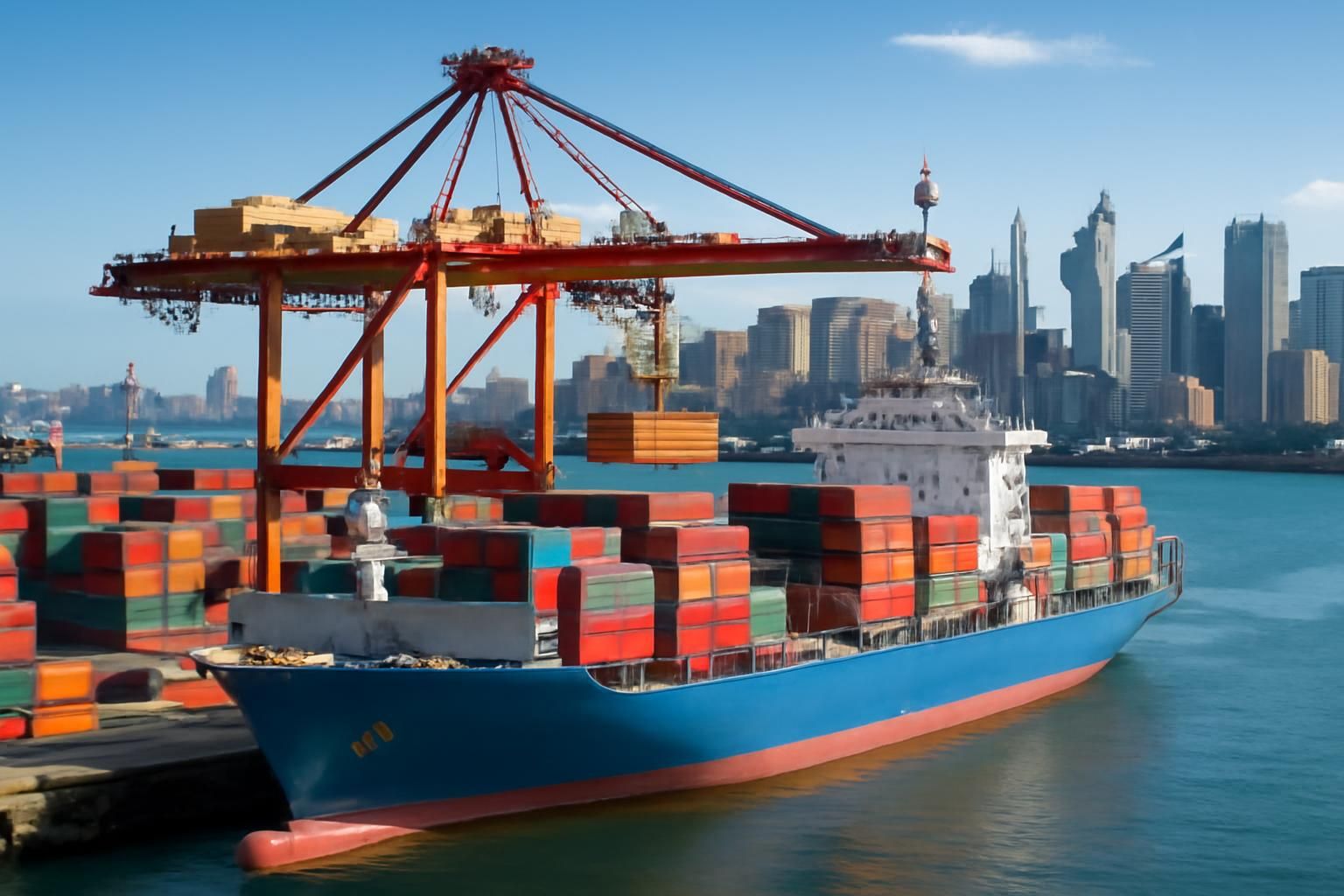
Moreover, this geographical advantage supports efficient logistics for goods en route to neighboring markets. An exporter using Australian ports such as Melbourne or Brisbane can distribute goods within Asia swiftly, leveraging superior transportation infrastructure and proximity.
To illustrate, a New Zealand food producer choosing to export dairy products through Australian ports enhanced delivery times and reduced shipping costs to Southeast Asia by partnering with logistics providers familiar with the Australia-Asia corridor. This improved supply chain efficiency contributed decisively to the company’s broader export strategy and revenue growth.
Understanding Australia’s position within the global trade map helps businesses craft export strategies that extend beyond this market alone, transforming Australia into a valuable hub for broader international trade ambitions.
Trade Regulations and Compliance: Navigating Australia’s Export Framework
Exporting successfully to Australia necessitates a nuanced understanding of its rigorous trade regulations designed to protect consumers and ensure fair commerce. Australian customs clearance procedures, product standards, tariffs, and taxes form a complex regulatory framework with which exporters must comply.
Customs clearance begins with accurate documentation and proper classification of goods. Failure to meet these requirements can result in shipment delays or costly penalties. Exporters are advised to engage customs brokers knowledgeable about Australian Border Force policies who can facilitate efficient clearance.
Australia adopts relatively low tariff rates compared to other developed nations but imposes significant duties on some product categories. For instance, agricultural products might attract higher tariffs and stringent quarantine measures to protect local biosecurity. Therefore, understanding these specific sectors’ trade regulations is vital.
Product standards in Australia guarantee that imported goods meet health, safety, and environmental requirements. Certifications and approvals, often from Australian regulatory bodies, need to be acquired before shipping products. For example, electronic goods must comply with Australian electrical safety standards, impacting export strategy and supply chain decisions.
Integrating compliance into your export planning reduces risk and cultivates trust with Australian consumers and business partners. The Australian government regularly updates its regulations, making it critical for exporters to stay informed.
Exploring in detail key regulations, exporters will find resources such as the Australian export compliance guidelines, which offer comprehensive advice on tariffs, permits, and product certification. Staying aligned with these rules is essential for smooth customs processing and market entry.
Optimizing Logistics: Shipping Routes, Infrastructure, and Distribution Channels in Australia
The logistics landscape presents both challenges and opportunities for exporters targeting Australia. Selecting the most effective shipping routes and transport methods can influence costs, delivery times, and overall export success. Sea freight remains the principal choice for bulk or heavy goods due to cost efficiency, whereas air freight suits high-value, perishable, or time-sensitive products.
Australia enjoys highly developed transportation infrastructure encompassing world-class ports in Sydney, Melbourne, Brisbane, and Perth, supported by efficient road and rail networks. Understanding how these ports function and their connectivity to internal distribution hubs enables exporters to plan more reliable supply chains.
Warehousing solutions in Australia range from bonded warehouses to third-party logistics providers, allowing flexibility in inventory management and duty deferment. For instance, bonded warehouses enable exporters to store goods without immediate payment of customs duties, improving cash flow and responsiveness to demand fluctuations.
An exporter of organic food products scaled distribution effectively by partnering with Australian third-party logistics companies, exploiting local warehousing expertise to ensure freshness and regulatory compliance across retail outlets. This local collaboration was instrumental in upholding product quality and customer satisfaction.
Adapting logistical operations to Australia’s geographic and regulatory context equips exporters with a critical competitive edge. Working closely with logistics providers familiar with both Australian regulations and market conditions is a hallmark of efficient export strategies.
Cultural Nuances and Business Etiquette: Building Strong Export Relationships in Australia
Beyond the technicalities of export and regulations, understanding cultural considerations is paramount to establishing sustainable business relationships in Australia. The Australian business environment values straightforward, candid communication and places a premium on trust and transparency.
Business dealings often emphasize punctuality, clear commitments, and a direct approach to negotiations. Exporters unfamiliar with these norms may inadvertently cause friction or misinterpret local expectations. For example, timing negotiations properly and respecting the Australian preference for evidence-based discussions can significantly enhance rapport.
Australian consumers often prefer products and brands that demonstrate environmental responsibility and social consciousness. Tailoring marketing campaigns and product features to reflect these values resonates positively, as demonstrated by NSW wineries successfully embracing sustainability as a distinctive selling point when entering new markets.
Moreover, networking plays a pivotal role in market penetration. Engaging in Australian trade shows, industry forums, and local chambers of commerce facilitates connections with potential partners and customers, fostering mutual trust and long-term collaboration.
Comprehending these cultural and market preferences ensures that export strategies don’t merely rely on product quality or pricing but also emotionally connect with Australian stakeholders, thereby strengthening market presence.
Leveraging Technology and E-commerce to Amplify Export Reach in Australia
Australia’s highly digitalized economy presents a fertile ground for exporters embracing technology and e-commerce platforms. With widespread internet penetration and sophisticated consumer behaviors, online sales channels represent a powerful avenue for expanding brand visibility and customer engagement.
For businesses entering Australia, adopting digital marketing, social media strategies, and e-commerce platforms tailored to local preferences is crucial. Utilizing online marketplaces like Amazon Australia or local platforms enhances product accessibility and caters to increasingly discerning consumers accustomed to seamless digital shopping experiences.
Additionally, technology-driven logistics tools, including shipment tracking, warehouse automation, and demand forecasting systems, provide exporters with enhanced control over supply chains and delivery performance. This technological adoption is especially beneficial for managing Australia’s vast geography and diverse consumer base efficiently.
An example is an Australian startup specializing in health supplements that scaled internationally by optimizing their online presence combined with agile logistics solutions, significantly reducing order fulfillment times and boosting customer satisfaction.
This approach aligns with the latest trends in Australia’s export and import sectors, where companies leveraging technology and e-commerce frequently outperform competitors relying solely on traditional trade channels.
Financial Management and Export Funding: Securing Investment for Sustainable Market Entry
Sound financial management is integral to a successful export strategy in Australia. Understanding payment practices prevalent within Australian and Asia-Pacific markets, such as letters of credit, payment before shipment, or open account arrangements, impacts cash flow and risk management.
Exporters often face uncertainties related to currency fluctuations, payment delays, and financing large-scale shipping operations. To mitigate these risks, various funding and loan programs tailored to exporters can provide essential support. For businesses in New South Wales, for example, programs like the Going Global Export Program offer free assistance to prepare companies for international expansion.
Furthermore, securing insurance for freight transit, goods in transport, and export credit insurance protects investments against unforeseen disruptions. Export-oriented companies often align their fiscal planning with these safeguards, ensuring robustness against potential financial shocks.
A detailed investigation into financial instruments and government-backed grants available shows that staying informed and proactive in managing trade finance plays a crucial role in maintaining export momentum and capitalizing on emerging opportunities.
| Financial Instrument | Description | Benefit to Exporters |
|---|---|---|
| Letter of Credit | A payment guarantee issued by banks facilitating secure international transactions. | Reduces payment risk and builds buyer-seller trust. |
| Export Loans | Loans specifically designed to support exporters in financing production and shipping. | Improves cash flow and operational capacity. |
| Export Credit Insurance | Insurance covering non-payment risks from international buyers. | Protects revenue against defaults or political risks. |
Practical Steps to Unlock Export Opportunities in Australia
Embarking on an export venture to Australia involves strategic preparation and execution. Companies should start with thorough market research to assess product demand, competitive landscape, and regulatory requirements. Asking fundamental questions such as “Is there demand for my product?” and “Can my business meet Australian standards?” helps frame realistic expectations.
Standing out in a competitive market may be achieved by emphasizing quality, pricing, or unique selling propositions aligned with Australian values — exemplified by businesses that craft sustainability-oriented brand narratives or introduce innovative product features.
Partnering with experienced local experts, including customs brokers, legal consultants, and logistics providers, enhances compliance and operational efficiency. These relationships streamline the export process and mitigate risks associated with unfamiliar trade practices.
Leveraging available tools and export support programs can facilitate smoother entry and sustained growth. Resources like the Going Global Toolkit provide invaluable guidance on navigating export complexities.
Remaining vigilant about evolving trade regulations and market trends ensures exporters remain agile and capable of adapting strategies effectively over time.
What are the primary trade regulations exporters must comply with in Australia?
Exporters must adhere to Australian customs clearance procedures, product standards, licensing requirements, and tariffs. Engaging a reputable customs broker helps navigate these complexities effectively.
How do Free Trade Agreements (FTAs) impact export opportunities in Australia?
Australia’s FTAs reduce or eliminate tariffs for exported goods to partner countries, lowering costs and expanding market access, thus enhancing competitiveness internationally.
Which shipping methods are most effective for exporting to Australia?
Sea freight is ideal for bulk goods due to cost efficiency, while air freight suits high-value or time-sensitive products, balancing speed and budget considerations.
Why is understanding cultural nuances critical when exporting to Australia?
Respecting Australian business culture of direct communication, punctuality, and trust-building fosters stronger relationships and business success.
What financial instruments assist exporters in managing risks?
Letters of credit, export loans, and export credit insurance are crucial tools protecting exporters against payment defaults, cash flow challenges, and unforeseen disruptions.