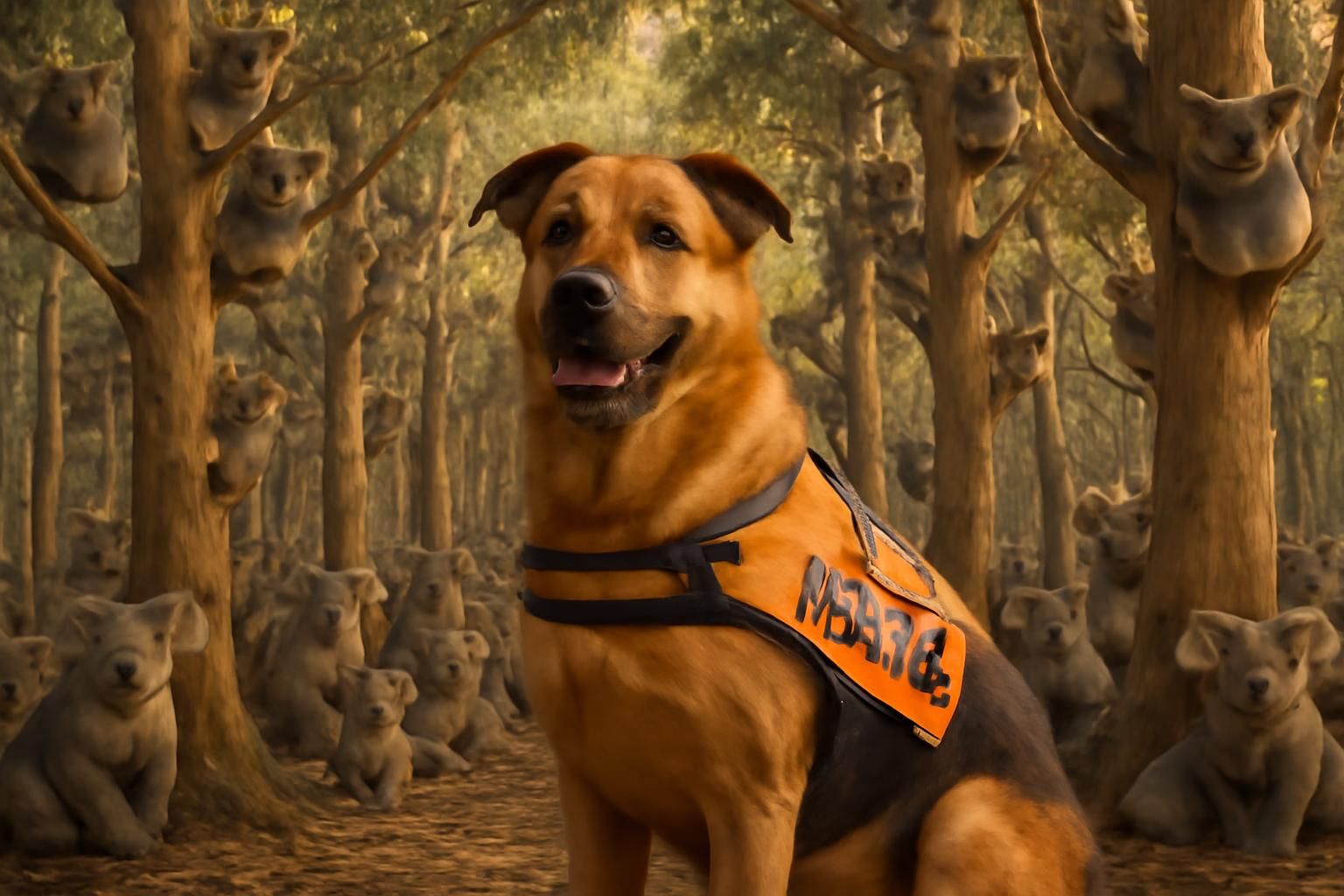
Bear, an Australian Koolie, stands as a shining example of dedication and courage in wildlife conservation. Over the past decade, this canine hero has played an integral role in rescuing more than 100 koalas, particularly during the devastating “Black Summer” bushfires on Australia’s eastern seaboard. As he steps into retirement, Bear’s legacy highlights the unique synergy between humans and animals in confronting environmental crises and protecting vulnerable species.
Amidst the backdrop of increasingly severe bushfires driven by climate change, Bear’s work not only saved lives but also demonstrated innovative methods in animal rescue and conservation. Trained to detect the scent of koalas, Bear helped locate animals hidden deep in thick bushland, enabling timely interventions that made the difference between life and death. His story reflects a powerful narrative of resilience, commitment, and the evolving strategies that support endangered wildlife in perilous times.
In brief:
- Bear, an 11-year-old Australian Koolie, has rescued over 100 koalas in a decade-long career.
- He played a vital role during the 2019-2020 Black Summer bushfires, detecting koalas amidst devastating fires.
- Bear pioneered the use of scent detection in wildlife rescue, aiding teams to find hidden animals rapidly.
- His efforts increased awareness about the impact of climate change on species like koalas and inspired conservation initiatives worldwide.
- Now retired, Bear enjoys relaxation after years as an ambassador for koalas, symbolizing hope and innovation in animal rescue.
Bear’s Unique Training: How an Australian Koolie Became a Pioneer in Koala Detection
Bear’s journey from an ordinary pet to a celebrated animal rescue dog began with a groundbreaking training program. Australian Koolies are known for their intelligence, agility, and strong work ethic, traits that made Bear an ideal candidate for a novel conservation approach. This approach centered on training dogs to identify the distinct scent of koala fur, enabling search-and-rescue teams to locate koalas obscured by dense foliage or smoke following bushfires.
Training Bear involved conditioning him to associate the scent of koalas with rewards such as toys and positive reinforcement. Early trainers noted Bear’s enthusiasm and innate ability to hone in on the scent, a skill previously untested in real rescue scenarios. Over time, Bear developed an impressive track record, proving that canine scent detection could be adapted beyond traditional uses like search for missing persons or drugs, branching into vital wildlife conservation efforts.
The success of Bear’s training highlighted the broader potential for canine-assisted detection in protecting threatened species throughout Australia. Since then, additional dogs have been recruited to join the ranks of wildlife rescue, underscoring Bear’s role as a pioneer and inspiration in this emerging field.
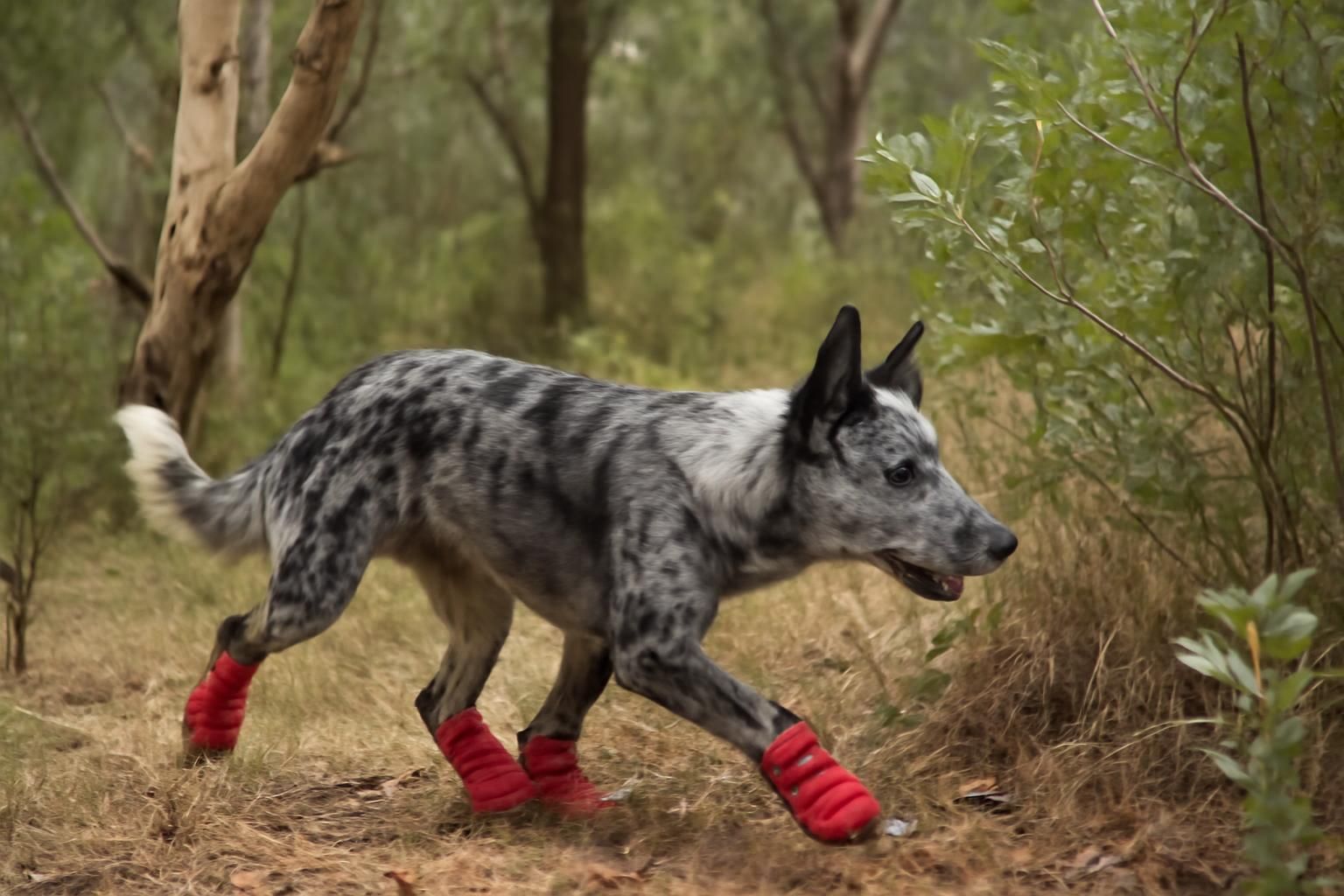
Bear’s training was not without challenges. The environment in which he operated was harsh and unpredictable, from scorching ground to dense bushland shrouded in smoke. To safeguard his well-being, Bear was equipped with specialized protective boots, enabling him to navigate treacherous terrain comfortably. His handlers worked closely with veterinarians to monitor his health during demanding rescue missions, exemplifying the careful consideration essential in conservation canine programs.
Bear’s breakthrough in training methodologies has influenced conservation models globally. Researchers and wildlife organizations now study scent detection dogs as valuable allies in locating not only koalas but other elusive or endangered wildlife, especially in the aftermath of natural disasters.
Bear’s Heroic Role During the Black Summer Bushfires: Saving Lives Under Extreme Conditions
The “Black Summer” bushfires of 2019-2020 were among the most catastrophic environmental disasters in Australian history, burning over 18 million hectares and endangering countless lives — human and animal alike. During this crisis, Bear’s skills proved indispensable in rescue missions aimed at protecting one of Australia’s most beloved species: the koala.
Koalas are particularly vulnerable during bushfires due to their slow movement and habitat preferences in eucalyptus forests, which are highly flammable. As the fires raged, many koalas were trapped in areas where smoke, heat, and fire made rescue attempts extremely perilous. Bear’s ability to sniff out koalas hidden from human eyes—either injured or seeking shelter in inaccessible trees or debris—accelerated rescue operations considerably.
Rescue teams collaborating with Bear could cover large areas more efficiently, saving precious time in locating survivors needing urgent medical attention. For example, during intense search missions, Bear would signal the presence of a koala scent by sitting or pawing near hidden animals, guiding teams confidently even through dense smoke.
This canine-assisted approach became a game-changer, reducing reliance on slower and less precise methods such as visual scouting or drone surveillance alone. Bear’s contributions during this period underscored how animal rescue efforts must adapt to evolving environmental challenges, incorporating innovative tools to improve success rates.
Bear’s story also featured heavily in media coverage throughout the crisis, raising public awareness about the plight of koalas and the broader environmental impacts of increasingly severe bushfires fueled by climate change. As Bear hunted through scorched landscapes, his protective boots and calm demeanor became symbols of hope and determination for millions of Australians.
The impact of Bear’s work in numbers:
| Metric | Value |
|---|---|
| Koalas Rescued | Over 100 |
| Years of Service | 10 |
| Age at Retirement | 11 years |
| Region Covered | Eastern Seaboard of Australia |
| Protective Boots Used | Multiple pairs during fieldwork |
Animal Rescue Innovation: The Rise of Wildlife Detection Dogs in Conservation
Bear’s success has made him a trailblazer in the domain of animal rescue, particularly highlighting the potential of using detection dogs within wildlife conservation strategies. Before Bear, the concept of training dogs to detect koalas was largely theoretical. The International Fund for Animal Welfare (IFAW) described this approach as “novel,” reflecting the pioneering nature of the work.
Detection dogs have been traditionally employed to find missing persons or narcotics, but extending their training to wildlife opened a new frontier in conservation technologies. Detection dogs’ extraordinary sense of smell—estimated to be 10,000 to 100,000 times more sensitive than humans’—makes them uniquely capable of locating animals that are hidden in complex environments.
In practice, these canines become vital partners for conservationists when natural disasters strike, as they can quickly identify stranded, injured, or trapped wildlife that would otherwise remain undetected. Their presence accelerates rescue operations, facilitates urgent medical treatment for vulnerable species, and often saves lives when minutes count.
Bear’s work has emboldened wildlife organizations across Australia and worldwide to invest in developing and deploying detection dogs for various endangered species. This model also incorporates research functions: beyond rescue, these dogs assist in studying animal populations by locating and tracking animals in difficult terrains without intrusive capture methods.
Adopting detection dogs aligns with broader conservation goals of minimizing human impact on wildlife, promoting ethical fieldwork, and leveraging natural animal abilities to enhance scientific knowledge and emergency interventions.
Bear as an Ambassador: Raising Awareness on Climate Change and Wildlife Protection
Throughout his decade of service, Bear transcended his role as a working dog to become an influential ambassador for koala conservation and climate change awareness. Publicity surrounding Bear’s rescue missions helped spotlight the intersecting crises facing Australian wildlife.
Koalas serve as an iconic species representing the fragility of Australian ecosystems. Bear’s heroism during intense fire seasons brought attention not only to immediate rescue needs but also to longer-term concerns such as habitat loss, extreme weather events, and dwindling biodiversity—all exacerbated by climate change.
His handlers and associated conservation organizations leveraged Bear’s story in campaigns, educational programs, and media engagements aimed at:
- Educating communities on the importance of biodiversity and habitat protection.
- Mobilizing support for climate action to reduce fire risks and protect ecosystems.
- Highlighting the role innovative conservation techniques play in safeguarding species.
Bear’s reach extended across Australia and to global audiences, inspiring conversations about how humans can better coexist with wildlife and take proactive steps to mitigate climate impacts. He became a symbol of hope and an emotive link connecting people to often unseen environmental struggles.
Embracing Retirement: Life After Rescue for a Hero Dog
In 2026, Bear officially retired from his active fieldwork after an extraordinary decade of service. Retirement for a working dog means transitioning to a calmer lifestyle focused on relaxation, play, and well-being—all essential after years of demanding missions.
Bear is now residing on the Sunshine Coast, enjoying daily fetch games and belly rubs with one of his former handlers. This shift underscores the importance of providing proper care and companionship for canine heroes after their service ends, ensuring their physical and emotional health thrives.
Retirement also allows Bear’s story to live on through advocacy and education. His legacy continues to inspire ongoing conservation efforts, motivating new generations of handlers, researchers, and community members committed to wildlife protection.
His well-deserved retirement brings to light the bond between humans and animals working together to protect endangered species and highlights the continuing need for community support in conservation initiatives.
Key elements of Bear’s retirement transition:
- Gradual reduction in strenuous field activity to prevent stress.
- Rehabilitation and health monitoring tailored for senior dogs.
- Engagement in public appearances to support awareness campaigns.
- Continued companionship with experienced handlers to ensure mental stimulation.
The Legacy of Bear: Inspiring Conservation Efforts in Australia and Beyond
Bear’s decade-long career set a precedent for integrating canine abilities into wildlife conservation and disaster response. His demonstrated success encouraged organizations to develop specialized training programs and broaden their approach to protecting endangered species.
Wildlife conservation faces complex challenges amplified by climate change, including more frequent and severe natural disasters. Bear’s work provides a blueprint for how animal rescue can evolve through innovative partnerships between humans and animals, combining science, training, and compassion.
Communities across Australia are now more engaged in conservation activities, inspired partly by Bear’s story. From grassroots habitat restoration projects to government-led protection programs, Bear’s influence spans the spectrum. Several key outcomes illustrate his broader impact:
| Conservation Outcome | Description |
|---|---|
| Increased Use of Detection Dogs | Expansion of canine-led wildlife detection programs nationwide. |
| Public Engagement | Heightened awareness of koala plight and climate threats. |
| Research Advancements | New methods for non-invasive wildlife tracking and study. |
| Policy Influence | Support for stronger environmental protection legislation. |
Community Involvement: How Local Actions Complement Heroic Rescue Efforts
Bear’s story also underscores the crucial role local communities play in wildlife conservation. While canine heroes like Bear aid in emergency rescue, sustainable conservation requires everyday engagement by citizens, policymakers, and volunteers.
Community actions supporting wildlife take many forms, including habitat protection, responsible land management, and participation in citizen science projects. For example, local groups often:
- Plant native trees to restore koala habitats.
- Advocate for fire management practices to reduce future disaster impacts.
- Monitor local wildlife populations and report sightings to assist research.
These grassroots initiatives complement professional rescue operations, creating a broader safety net for vulnerable species. Bear’s influence extends beyond his rescue missions—he inspired a culture of care and stewardship at the community level.
As climate change continues to alter ecosystems, the collective efforts of trained rescuers and everyday citizens are vital to preserving biodiversity and fostering resilient environments. Bear’s story is a testament to how collaboration, innovation, and compassion can drive impactful conservation.
Ways to Get Involved Locally to Support Wildlife Conservation:
- Volunteer with local wildlife rescue organizations.
- Participate in tree planting and habitat restoration programs.
- Educate neighbors and schools about the importance of wildlife protection.
- Adopt sustainable land management and fire prevention practices.
- Support policies promoting environmental conservation at local and national levels.
Who is Bear and why is he considered a hero dog?
Bear is an Australian Koolie, trained to detect koalas through scent. He rescued over 100 koalas during his decade of service, especially during the severe 2019-2020 Black Summer bushfires, earning widespread recognition as a hero dog.
How does Bear’s training help in wildlife rescue?
Bear was trained to identify the scent of koalas, allowing rescue teams to locate injured or trapped animals more efficiently in dense bushland, improving chances of survival during natural disasters.
What makes the use of detection dogs novel in conservation?
Using dogs to detect wildlife like koalas was a pioneering approach, as their keen sense of smell can locate animals hidden from human view, facilitating quicker and less invasive rescue operations.
What happens to rescue dogs like Bear after retirement?
After retirement, rescue dogs transition to calmer lives with ongoing care, companionship, and sometimes participate in awareness efforts, ensuring their well-being and continuing their legacy.
How can local communities support wildlife conservation?
Communities can get involved by volunteering, habitat restoration, education, adopting sustainable practices, and advocating for protective policies to complement professional wildlife rescue efforts.