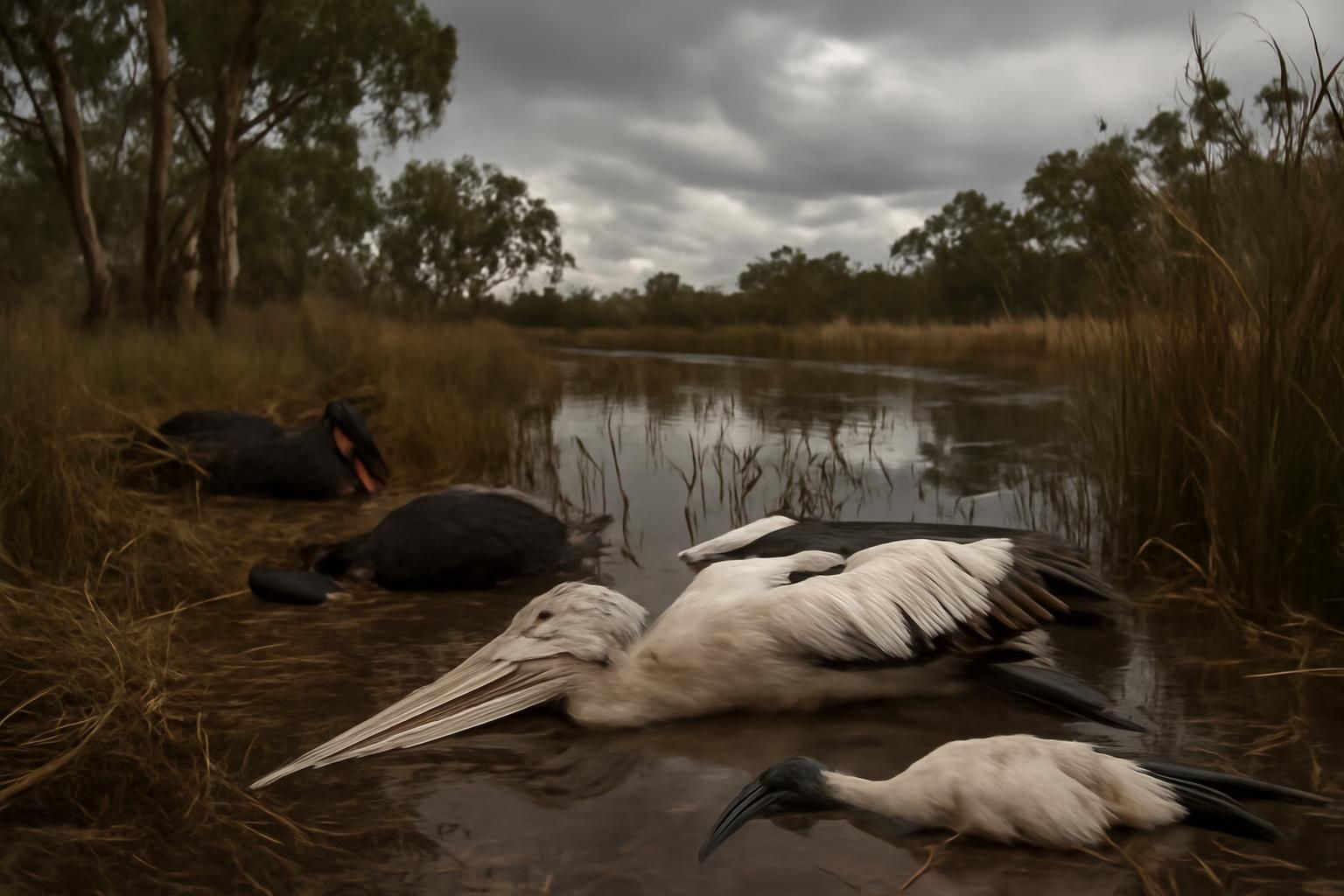
Australia has recently reported its first significant wildlife die-off linked to the highly contagious H5 bird flu virus. This alarming development marks a critical moment in the nation’s battle against the avian influenza outbreak that threatens diverse ecosystems and native species. The mass mortality event, primarily affecting seabirds along South Australia’s coast, signals a potentially devastating spread of the virus into indigenous wildlife populations. With infected birds exhibiting severe symptoms and mortality rates rising, experts warn of profound ecological consequences if preventive and containment measures are not aggressively pursued.
Key highlights of the H5 bird flu outbreak in Australia include:
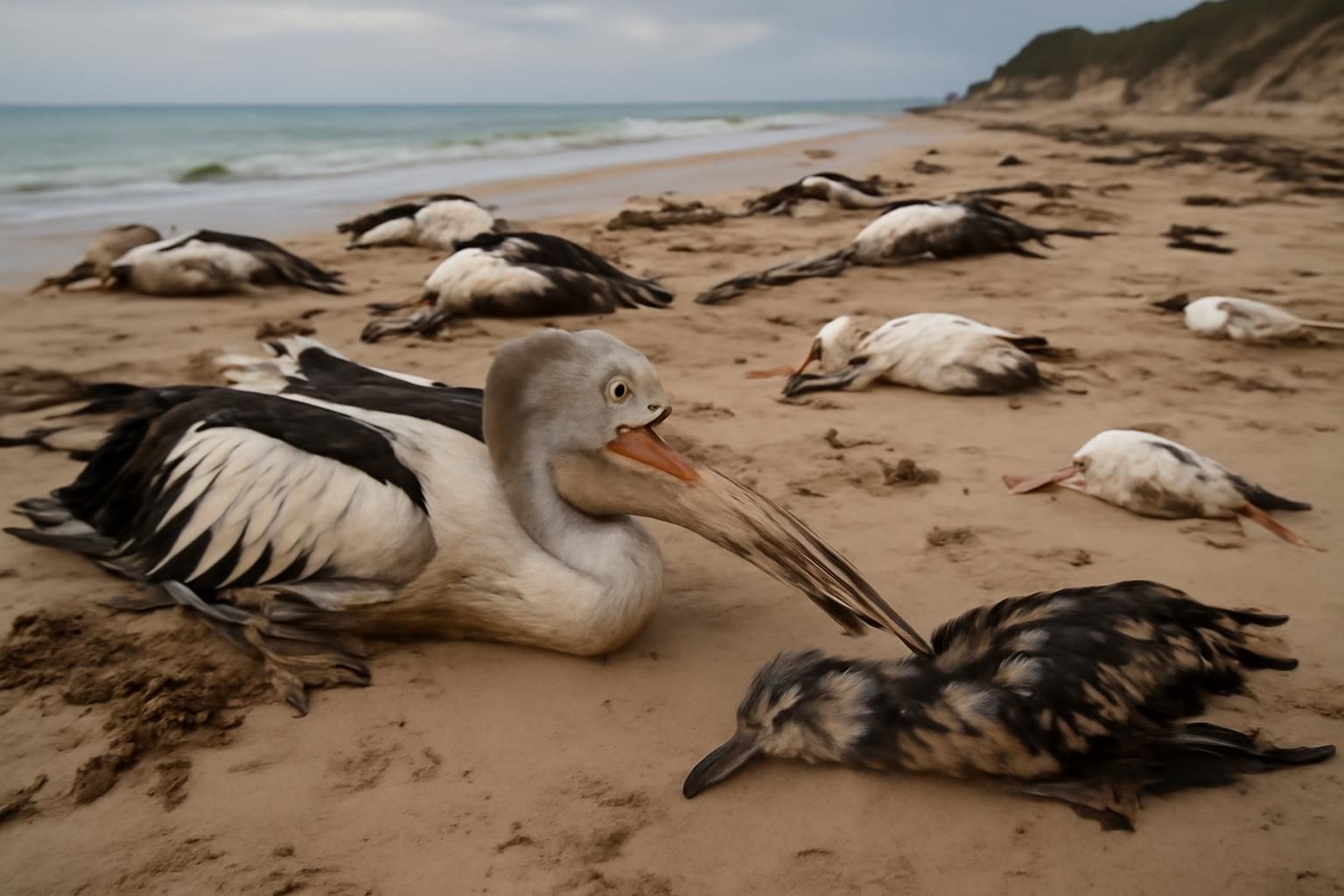
- First confirmed mass mortality among native seabirds, with over 50 greater crested terns found dead.
- Geographic spread now recorded not only in South Australia but also on the mainland in Western Australia, posing risks to wider wildlife communities.
- Significant ecosystem impact concerns as more than 150 native bird species are assessed at “very high” risk of infection and mortality.
- Challenges in managing disease spread due to the mobility of wild bird populations.
- Government warnings stressing the need for close surveillance and rapid response to avoid an unmanaged catastrophe.
- Comparisons to previous outbreaks such as the 2022 South American bird flu event, highlighting the urgency and scale of the threat.
Understanding the Emerging H5 Bird Flu Virus Outbreak in Australian Wildlife
The H5 bird flu virus, officially classified as H5N1 or highly pathogenic avian influenza (HPAI), is a profound threat to both domestic and wild avian populations globally. In Australia, this virus represents the first major indigenous wildlife die-off linked to avian influenza, marking a significant shift in the country’s disease landscape.
Initial confirmed cases in Australia involved seabirds such as brown skuas and northern giant petrels in the Esperance region of Western Australia. Subsequent investigations revealed a mass mortality event among greater crested terns on an island off South Australia’s coast. These cases exemplify how the virus has penetrated different bird species and environments. Importantly, the movement patterns of migratory seabirds are believed to have facilitated the virus introduction and dissemination along coastal and inland regions.
Understanding the mechanisms of this H5 outbreak involves dissecting viral transmission pathways, including direct contact with infected birds, contamination of shared habitats, and environmental persistence. The virus is known for rapid transmission and high fatality rates among birds, complicating containment strategies.
Wildlife experts emphasize that the virus’s presence in native species is unprecedented and could herald broader ecological disruptions. These events necessitate an informed response that balances wildlife conservation with efforts to prevent spillover into poultry and human health sectors.
Why Monitoring Avian Influenza in Wild Bird Populations is Critical
Continuous surveillance of avian influenza in wild bird populations serves multiple essential functions. It helps detect early signs of outbreaks before widespread mortality occurs, informs risk assessments for ecosystems, and guides biosecurity policies. The Australian government, alongside conservation groups like BirdLife Australia, has intensified monitoring efforts following the recent die-off.
Regular testing of dead and live birds helps map infection hotspots and identify spreading patterns. These activities are crucial in predicting outbreaks’ scale and guiding proactive interventions.
Additionally, monitoring contributes valuable data to global avian influenza databases, enhancing collective understanding of viral evolution and mutation. Such insights potentially aid in developing vaccines and treatments tailored to specific H5 strains.
Ecological Impact of H5 Bird Flu Mass Mortality Events on Australian Wildlife
The recent mass death of more than 50 greater crested terns off South Australia’s coast highlights the immediate ecological ramifications of a bird flu outbreak. These seabirds play critical roles in marine and coastal ecosystems, including fish population control and nutrient cycling. Their decline could disrupt food webs and habitat balance, cascading through various trophic levels.
Avian influenza-induced wildlife mortality affects not only individual species but also ecosystem resilience. For example, the loss of certain bird populations may lead to overpopulation of prey species or decline in plant pollination and seed dispersal functions performed by birds. Across Australia, over 150 native bird species are now considered to be at “very high” risk of infection, amplifying concerns of widespread biodiversity loss.
Moreover, such die-offs can influence invasive species dynamics. If predators or competitors decline due to disease, invasive species might exploit the ecological niches left vacant, potentially exacerbating environmental degradation.
Beyond wildlife, ecosystem services linked to bird populations, such as pest control and habitat maintenance, are jeopardized. Communities dependent on healthy ecosystems for fishing, tourism, and cultural practices may also face indirect economic and social impacts.
Case Study: Greater Crested Terns and Their Role in Coastal Ecosystems
Greater crested terns, heavily impacted during this outbreak, are vital in controlling fish stocks by preying on small pelagic fish. Their sudden decline can lead to imbalances that affect fisheries and other wildlife reliant on these fish species. Furthermore, the carcasses of infected birds can introduce disease to scavengers, further spreading the virus.
Challenges in Controlling Disease Spread Among Wild Bird Populations in Australia
Managing an avian influenza outbreak in free-ranging wild bird populations, especially in a vast and ecologically diverse country like Australia, presents significant hurdles.
The highly mobile nature of wild birds facilitates rapid geographical spread, often beyond human surveillance reach. Migratory routes, breeding grounds, and feeding sites create interconnected hotspots that the virus travels through, defying straightforward containment.
Furthermore, the asymptomatic carriage of the virus by some birds complicates outbreak detection. Certain species may harbor and transmit the virus without displaying illness, advancing silent transmission phases.
Restriction measures such as culling, quarantine zones, or movement controls are largely impractical for wildlife and risk disrupting natural behaviors and ecosystem services. Thus, strategies must focus on surveillance, public awareness, and protecting vulnerable species through habitat management and research.
In addition, coordination between federal, state, and local agencies alongside conservation groups is essential. Integrated data-sharing platforms enable real-time response planning and resource allocation.
Preventive Strategies and Biosecurity Enhancements
Australia’s biosecurity framework for poultry farms and wildlife reserves now incorporates enhanced disinfection protocols, monitoring checkpoints, and rapid response teams. These measures aim to limit cross-species transmission risks and minimize spillover into domestic birds and humans.
Implications for Conservation Policies and Wildlife Management in Australia
The H5 bird flu outbreak demands a reevaluation of conservation policies to incorporate infectious disease management as a critical component. Traditional conservation efforts focused on habitat protection and species monitoring must now integrate epidemiological considerations to prevent future die-offs.
Policies encouraging habitat restoration and reducing stressors on bird populations can improve immune resilience. Additionally, conservation plans may need to include vaccination efforts where feasible, especially for endangered species at high risk of infection.
Effective wildlife management now requires multisector collaboration, involving veterinary epidemiologists, ecologists, policymakers, and community stakeholders. Public education campaigns can foster awareness and promote responsible actions to reduce human-facilitated disease spread, such as discouraging interaction with sick or dead birds.
Furthermore, funding allocations must reflect the urgency of wildlife disease threats, investing in research for vaccine development, diagnostic technologies, and long-term ecosystem monitoring programs.
Collaborative Examples and International Perspectives
Looking at global approaches, countries with prior H5N1 outbreaks have adopted integrated wildlife health programs, combining field surveillance with laboratory research and policy reforms. Australia’s response can benefit by adapting these models to local ecological contexts and species.
Public Health Risks and Cross-Species Transmission Concerns
While H5 bird flu primarily affects avian species, the potential exists for cross-species transmission, including humans. Instances of human infections have been reported worldwide, typically linked to close contact with infected birds.
Australia’s recent wildlife die-off raises concerns about zoonotic transmission, especially among communities with close wildlife or poultry interaction. Public health agencies advocate for strict hygiene practices, avoidance of handling dead wildlife, and timely reporting of suspicious bird deaths.
Inter-agency cooperation between wildlife, agricultural, and health departments is imperative to monitor potential spillover events. This One Health approach recognizes that the health of humans, animals, and ecosystems are interconnected and must be managed collectively.
Preparedness includes including contingency planning for monitoring vulnerable human populations and ensuring availability of antiviral treatments and personal protective equipment for frontline workers.
Human Case Precautions and Monitoring
Health authorities recommend that people limit exposure to wild birds during outbreaks and employ protective gear when necessary. Enhanced diagnostic screening and contact tracing are part of ongoing surveillance efforts to prevent human cases.
Socioeconomic Impacts and Community Responses to the Wildlife Die-Off
The sudden emergence of H5 bird flu in Australia’s wildlife carries considerable socioeconomic implications. Communities relying on bird-watching tourism, fishing, and coastal recreation face potential losses as wildlife populations decline. Furthermore, the cultural significance of native birds to Indigenous peoples underscores the event’s broader societal impact.
Local economies dependent on eco-tourism may experience downturns, necessitating adaptive strategies to diversify income sources and support affected workers. Education initiatives can help communities interpret the scientific causes of the die-offs, fostering supportive attitudes toward conservation and biosecurity measures.
Community-level surveillance programs encourage citizen participation in monitoring bird health, increasing data collection reach while empowering residents. These responses highlight the complex interplay between ecological health and human well-being, underscoring the importance of integrative approaches.
In times of such crises, transparent communication from governments and wildlife agencies strengthens trust and enables timely interventions to mitigate further damage.
List of Recommended Community Actions During Bird Flu Outbreaks
- Report dead or sick birds to local wildlife authorities promptly.
- Avoid handling or interfering with dead wildlife to prevent contamination.
- Follow biosecurity advisories, especially near bird colonies and water bodies.
- Educate local populations about disease risks and preventive measures.
- Participate in citizen science monitoring programs when possible.
Future Outlook: Preparing Australia for Ongoing and Emerging Avian Disease Threats
As Australia faces continuing challenges from the H5 bird flu virus and other emerging wildlife diseases, preparedness and resilience-building remain paramount. Advances in diagnostic technologies, vaccine research, and ecological modeling contribute to a more responsive disease management system.
Collaboration across scientific disciplines enhances predictive capabilities, enabling earlier detection of outbreaks and tailored conservation interventions. Investment in long-term ecological studies provides essential context for understanding disease dynamics in diverse habitats and species.
Policies that incorporate adaptive management principles ensure flexibility to address unpredictable changes in disease spread and virus evolution. Enhancing public engagement through education and transparent communication lays the groundwork for sustained community support in wildlife health initiatives.
Ultimately, Australia’s response to H5 bird flu will serve as a case study for integrating wildlife conservation with infectious disease control, balancing ecological and public health needs in a changing environment.
| Aspect | Significance | Implications |
|---|---|---|
| Wildlife Mortality | First major die-off signals virus establishment in native species | Potential for large scale biodiversity loss and ecosystem imbalance |
| Disease Spread | Highly contagious virus transmitted through wild bird populations | Challenges containment and raises risk of domestic poultry infection |
| Conservation Efforts | Necessity of integrating infectious disease control into wildlife policies | Calls for enhanced monitoring, vaccination, and habitat protection |
| Public Health | Possible zoonotic transmission to humans through close contact | Requires coordinated One Health approach and preparedness planning |
What is H5 bird flu and why is it dangerous to wildlife?
H5 bird flu is a highly pathogenic avian influenza virus that causes severe illness and death in many bird species, severely impacting wildlife populations and ecosystems.
How is the H5 bird flu virus spreading among wild birds in Australia?
The virus spreads primarily through direct contact between infected and healthy birds, contaminated environments, and migratory bird movement, complicating containment efforts.
What measures are being taken to monitor and control the outbreak in Australian wildlife?
Authorities have increased surveillance, enforced biosecurity measures, and are collaborating with conservation groups to track and mitigate the disease spread to vulnerable species.
Can the H5 bird flu virus infect humans, and how can risks be minimized?
Although rare, human infections can occur through direct contact with infected birds. Preventive measures include avoiding contact with sick or dead birds and following hygiene protocols.
What are the long-term ecological impacts of the H5 bird flu outbreak on Australian ecosystems?
The outbreak threatens biodiversity, disrupts food chains, and affects ecosystem services provided by birds, necessitating adaptive conservation strategies.