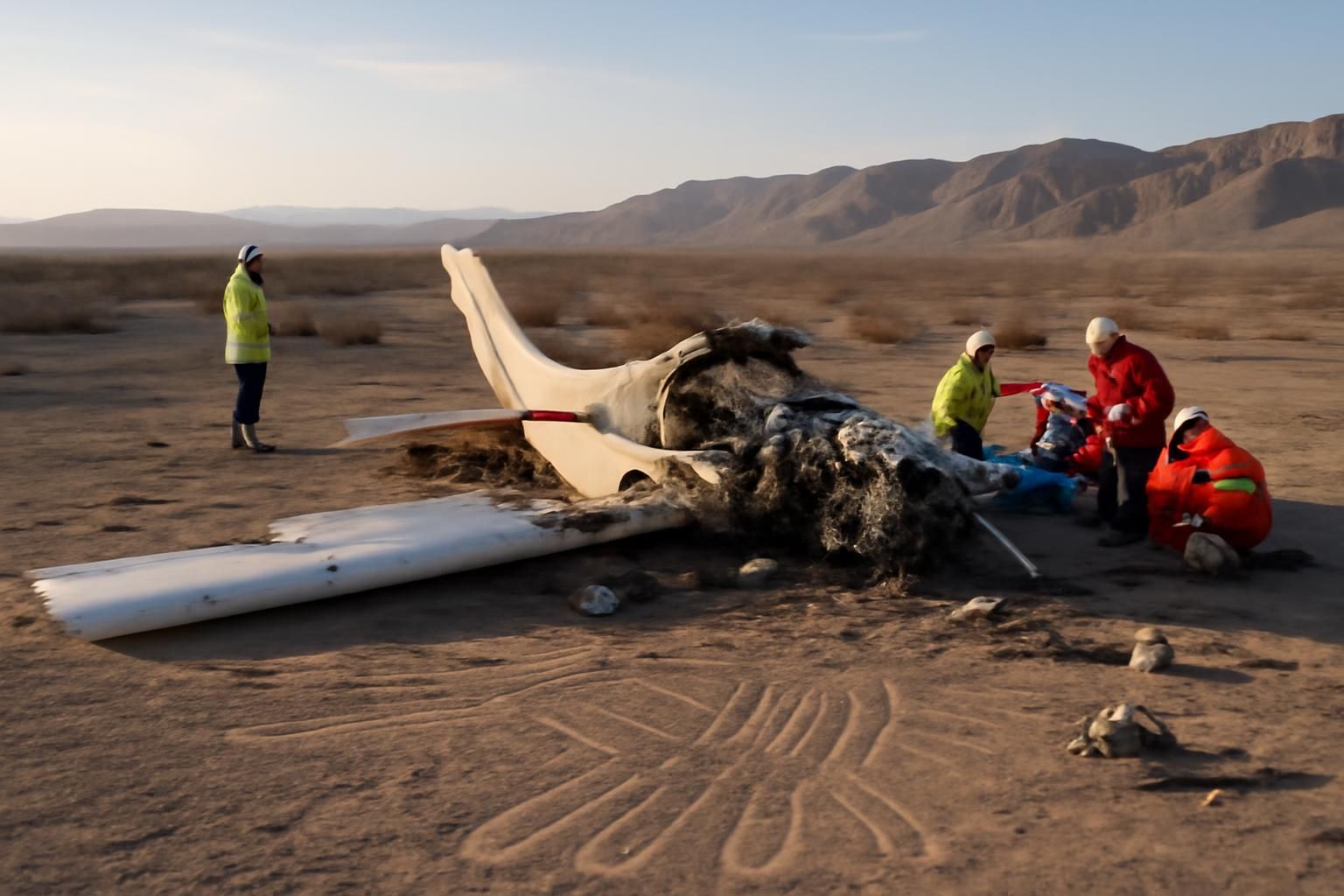
The serene skies over Peru’s Nazca desert, renowned for the enigmatic ancient geoglyphs known as the Nazca Lines, were shattered on August 1, 2026, by a deadly aviation accident. A sightseeing flight operated by the Peruvian company Aerodiana tragically ended with a crash that claimed thirteen lives. Among the victims were eleven European tourists from Italy, Germany, and Spain, alongside two Peruvian crew members. The Cessna 208B Grand Caravan aircraft crashed into farmland near the city of Nazca shortly after departing from nearby Ica, cutting short what was meant to be an awe-inspiring aerial tour of one of the world’s most iconic archaeological sites. This fatal crash has reignited concerns over the safety standards governing tourism flights in this inherently challenging and remote region.
The Nazca Lines, vast and mysterious, represent a cultural heritage treasure, drawing thousands of visitors from around the globe. These ancient geoglyphs, etched into the arid Peruvian desert by Indigenous civilizations centuries ago, can only be fully appreciated from above. Aerial tours have thus become a cornerstone of the tourism economy in southern Peru. However, the disaster exposes the vulnerabilities and risks surrounding this mode of travel, while prompting a comprehensive investigation and calls for stringent regulatory review. This article explores the circumstances surrounding the tragic crash, the implications for aviation safety in Peru, and the profound effect on tourism and local communities.
Details and Aftermath of the Tragic Nazca Lines Sightseeing Plane Crash
On that fateful August day, the Aerodiana sightseeing flight took off with thirteen people on board, including eleventh tourists and two pilots. The aircraft was a Cessna 208B Grand Caravan, a small but popular model for its reliability in short-haul flights and the ability to maneuver low over scenic points, making it a favored choice for aerial tours over the Nazca Lines. Despite the aircraft’s widespread use, it crashed into a farmland field approximately six kilometers from Nazca city. Tragically, there were no survivors.
The victims included seven Italian citizens aged between 18 and 54, two Spaniards both aged 52, and two elderly Germans aged 77 and 78. Their sudden loss sent shockwaves through their respective countries and across the tourism industry. The pilots, Américo Salazar and Irenka Guanilo del Carpio, also perished in the crash, highlighting the inherent danger of flying in such demanding terrain and weather conditions.
Immediate emergency and rescue efforts were deployed by local authorities. First responders reached the crash site swiftly, but the nature of the impact and the ensuing fire rendered rescue efforts futile in terms of saving lives. The Aerodiana company, which had been operating scenic flights for over fourteen years, was left grappling with this tragic event under intense public and governmental scrutiny. The Peruvian government, led by President Keiko Fujimori, issued official condolences and announced that a temporary suspension of flights from the nearby airport was under consideration pending investigation findings.
This aviation accident represents one of the deadliest in Peru’s recent history, raising urgent questions about the regulatory frameworks on aerial tours especially over sensitive archaeological zones. It also underscores the persistent challenge of balancing tourism opportunities with robust safety measures and infrastructure in remote areas.
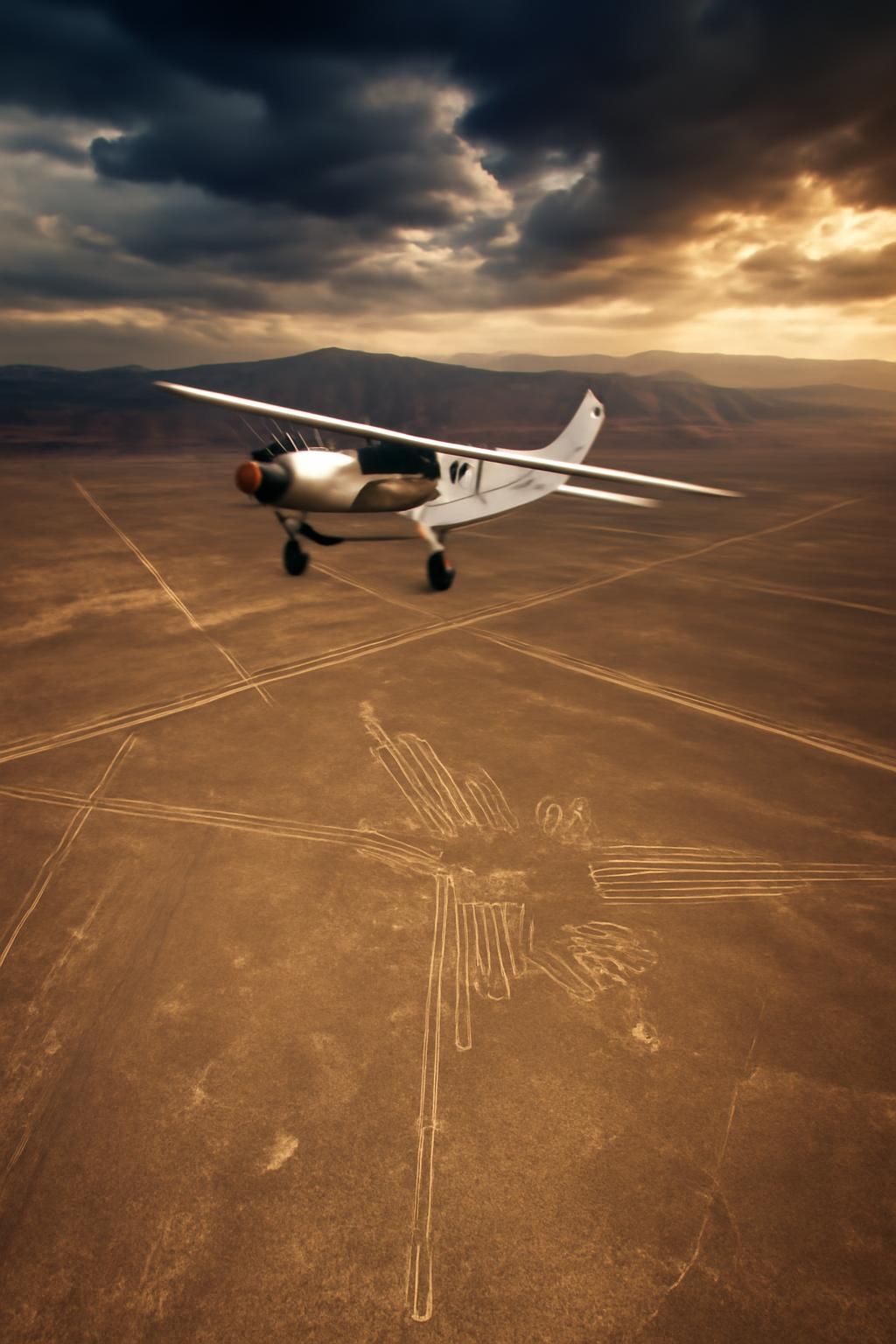
Historical Significance and Tourist Appeal of the Nazca Lines: Why Aerial Tours Are Irreplaceable
The Nazca Lines are one of Peru’s most priceless cultural landmarks, declared a UNESCO World Heritage site for their archaeological and cultural value. Spanning over hundreds of square kilometers of the desert, these geoglyphs depict various animals, plants, and shapes, some stretching over 200 meters in length. Created by the ancient Nazca culture approximately 1,500 years ago, the lines remain shrouded in mystery regarding their exact purpose, hypothesized to be astronomical calendars or religious pathways.
Crucially, the geoglyphs are not discernible from the ground, as their grand scale can only be truly appreciated from the air or lookout towers positioned around the site. The unique aerial perspective makes plane tours indispensable for visitors seeking to understand and experience this archaeological wonder. These tours not only provide spectacular views but also support local communities economically through tourism.
However, this niche tourism presents intrinsic aviation challenges: small aircraft must fly low and slow to capture optimal views for tourists. Weather conditions such as sudden desert winds, thermal updrafts, and limited emergency landing sites add layers of complexity to flight safety. The tragic crash has spotlighted the thin line between adventure and risk that defines these scenic tours.
Examples of past incidents, while less fatal, have already urged Peru’s aviation authorities to enhance safety protocols. Still, the popularity of aerial tours remains undiminished, driven by the unparalleled visual spectacle and cultural fascination with the Nazca Lines. Understanding the geoglyphs’ enigmatic origins while witnessing their beauty from above continues to captivate visitors worldwide.
Regulatory Environment and Safety Challenges for Aerial Tours Over Nazca Lines
The aviation accident near the Nazca Lines has thrown into sharp relief the existing regulatory environment governing aerial tours in Peru, especially in remote desert regions. The Ministry of Transport and Communications in Peru oversees the certification and safety standards of airlines, including special operators like Aerodiana, which have specialized in low-altitude sightseeing flights. Nevertheless, the effective enforcement of these regulations remains challenging due to the remoteness of the area and the economic pressures on operators.
Factors contributing to the risk include the age and maintenance of aircraft, pilot training specifically tailored for desert and geoglyph sightseeing conditions, emergency response readiness, and air traffic control infrastructure. The Aerodiana airline had been operating Cessna Grand Caravans for over fourteen years, which, despite solid reliability, require meticulous maintenance and operational caution in such demanding conditions.
Adding to the complexity, the geoglyphs’ protected status limits the construction of new infrastructure such as emergency airstrips or advanced radar stations. As a result, operators often rely on visual flight rules, which can be precarious in the event of sudden weather shifts. The tragic crash has sparked government proposals to temporarily suspend flights to reassess and tighten safety protocols, including the possibility of mandating more frequent aircraft inspections, lowering maximum passenger loads, and upgrading pilot certification standards.
Ultimately, balancing cultural tourism with aviation safety is complex. Peru’s regulatory bodies must navigate pressures from local economies, international tourism demand, and the uncompromising need for the highest levels of safety to prevent further fatal incidents in the future.
Emergency Response and Rescue Efforts Following the Aerodiana Plane Crash
The firefighting and emergency response teams faced an enormous challenge in managing the aftermath of the Aerodiana crash. The aircraft’s impact site in the farmland near Nazca city complicated access for rescue services, as the area lacks immediate medical or firefighting infrastructure. Emergency personnel arrived quickly but encountered obstacles posed by the intensity of the crash and the fire that engulfed the plane upon impact.
Despite rigorous efforts, there were no survivors to rescue. The emergency response teams shifted their focus to securing the crash site, assisting family members of the victims, and beginning the multi-agency investigation process. Local hospitals activated disaster protocols in anticipation of casualties, and psychological services were mobilized to support relatives and witnesses affected by the tragedy.
The crash has highlighted the critical need for enhanced emergency preparedness in remote tourist hotspots. Plans for improving helicopter and ground transport rescue capabilities have been laid out by regional authorities, who acknowledge the vital importance of swift intervention in such emergencies to mitigate fatal outcomes.
The community response has been marked by profound grief but also by solidarity. Vigils and memorials sprang up across Nazca to honor the victims. International cooperation has also been evident, with the countries of the deceased citizens reaching out to Peru for collaborative support and investigations.
Aerodiana Airline’s Role and Historical Context in Nazca Lines Aerial Tours
Aerodiana has been a key player in Peruvian aerial tourism for over fourteen years, specializing in scenic flights over the Nazca Lines. Their fleet primarily consists of Cessna 208B Grand Caravans, aircraft known for their durability and suitability for short-distance, low-altitude sightseeing flights. The company has built its reputation around providing visitors with unparalleled views of the ancient geoglyphs, contributing significantly to the local tourism economy.
Despite its long-standing operation, Aerodiana’s safety record has faced scrutiny, especially following several non-fatal incidents reported prior to the 2026 crash. Issues raised included occasional mechanical failures and pilot complaints over workload and training adequacy. However, none had led to loss of life until this fatal event.
Aerodiana’s operations provide a case study in the complexities of balancing commercial tourism demands with the logistical realities and risks of flying in Peru’s desert terrain. Industry observers suggest the need for tighter oversight and possibly modernization of the fleet to adhere to evolving international safety standards. The tragic crash serves as a somber reminder of the high stakes involved in this specialized aviation niche.
Impact on Tourism Industry and Local Communities Around Nazca
The fatal crash has understandably caused ripples of concern across Peru’s tourism sector. The Nazca Lines aerial tours are a significant attraction, drawing thousands of visitors annually whose spending powers local businesses ranging from tour operators to hotels and restaurants. The tragic loss of life has led to immediate cancellations while future bookings face uncertainty as safety concerns intensify.
Local communities dependent on tourism income face economic pressure as operators grapple with the temporary suspension of flights and a possible decline in visitor numbers. The Peruvian government and tourism boards have responded by launching campaigns to reassure tourists about the safety reforms underway and the unique cultural value of the Nazca Lines.
International travel advisories have also been updated, while tour operators worldwide monitor the progress of ongoing investigations. Experts emphasize the importance of restoring traveler confidence through transparent communication, safety upgrades, and support for victim families.
In parallel, the tragedy has encouraged a re-evaluation of sustainable tourism practices, with calls to diversify tourism offerings beyond aerial tours to include land-based archaeological site visits, museum experiences, and cultural festivals to mitigate future risk exposure.
Technological Innovations in Aviation Safety for Remote Aerial Tours
The Aerodiana crash puts a spotlight on the urgent need for enhanced technological solutions in aerial tour safety across remote areas like the Nazca desert. Emerging aviation safety technologies offer promising avenues to reduce the risk of accidents and improve emergency responses in challenging environments.
Key innovations include advanced avionics systems equipped with terrain awareness and warning features (TAWS), automatic dependent surveillance-broadcast (ADS-B) for real-time tracking, and improved weather monitoring integrated into flight planning. Implementing drones for pre-flight route reconnaissance and emergency response surveillance is also being explored.
Moreover, next-generation aircraft with improved fuel efficiency, reliability, and safety records could replace aging fleets such as the Cessna Grand Caravan. Pilot training is also set to benefit from augmented reality simulators that replicate the unique weather and terrain conditions of aerial tours over the Nazca Lines.
These technological advances promise a new era of safer and more reliable aerial tourism. Nevertheless, their integration requires substantial investment, regulatory adaptation, and operator commitment, making it a gradual but vital process for Peru’s aviation sector.
Ongoing Investigation and Future Safety Measures for Nazca Lines Flights
The investigation into the August 1, 2026, Aerodiana crash remains underway, led by Peru’s transportation and aviation authorities alongside international aviation safety experts. Preliminary findings suggest that a combination of pilot error, mechanical failure, and adverse weather conditions may have contributed to the fatal incident, although final conclusions await.
Authorities are examining all aspects including aircraft maintenance records, pilot history, weather reports, and air traffic communication logs. There is also a review of emergency protocols both in-flight and on the ground in case of accidents. The investigation seeks to identify gaps in safety measures and to recommend concrete steps to prevent recurrence.
In response to this tragedy, the Peruvian government is considering new regulatory measures such as:
- Mandatory periodic safety audits of all operators engaging in aerial tours over the Nazca region.
- Stricter pilot training and certification standards focused on desert flying and emergency procedures.
- Upgraded air traffic control systems to enhance real-time monitoring and communication with low-altitude sightseeing flights.
- Enhanced emergency response infrastructure including dedicated rescue helicopters stationed closer to the Nazca Lines.
- Restrictions or temporary suspension of flights during adverse weather conditions to minimize risk.
Table 1 below summarizes the critical factors associated with enhancing aerial tour safety over the Nazca Lines.
| Aspect | Current Challenges | Proposed Safety Measures |
|---|---|---|
| Aircraft Maintenance | Aging fleet, inconsistent inspections | Mandatory frequent inspections, fleet modernization |
| Pilot Training | Limited desert flying experience, low specialized emergency training | Enhanced certification, simulator training for desert conditions |
| Air Traffic Control | Inadequate radar coverage and communications | Upgraded monitoring systems, ADS-B implementation |
| Emergency Preparedness | Remote location, limited rescue resources | Helicopter staging areas, coordinated disaster response drills |
With these focused measures, Peru aims to restore trust and ensure a safer future for the vital tourism sector centered around the Nazca Lines.
What caused the tragic plane crash during the Nazca Lines aerial tour?
While investigations are ongoing, preliminary findings suggest multiple factors including pilot error, mechanical issues, and poor weather conditions contributed to the fatal accident.
Who were the victims of the AeroDiana Nazca tourism flight crash?
The victims included eleven European tourists from Italy, Germany, and Spain, aged between 18 and 78, along with two Peruvian crew members (pilots).
What safety improvements are being considered after the deadly crash?
Authorities are looking at stricter pilot training, frequent aircraft maintenance audits, upgraded air traffic control, enhanced emergency response capabilities, and possible temporary flight suspensions.
How does this accident impact tourism in the Nazca region?
Tourism has been affected with cancellations and uncertainties, but local authorities and operators are working to rebuild confidence and emphasize safety reforms.
Why are aerial tours necessary to view the Nazca Lines?
The immense scale and desert location of the Nazca Lines mean they are only fully visible from the air, making aerial tours essential for viewing these cultural monuments.