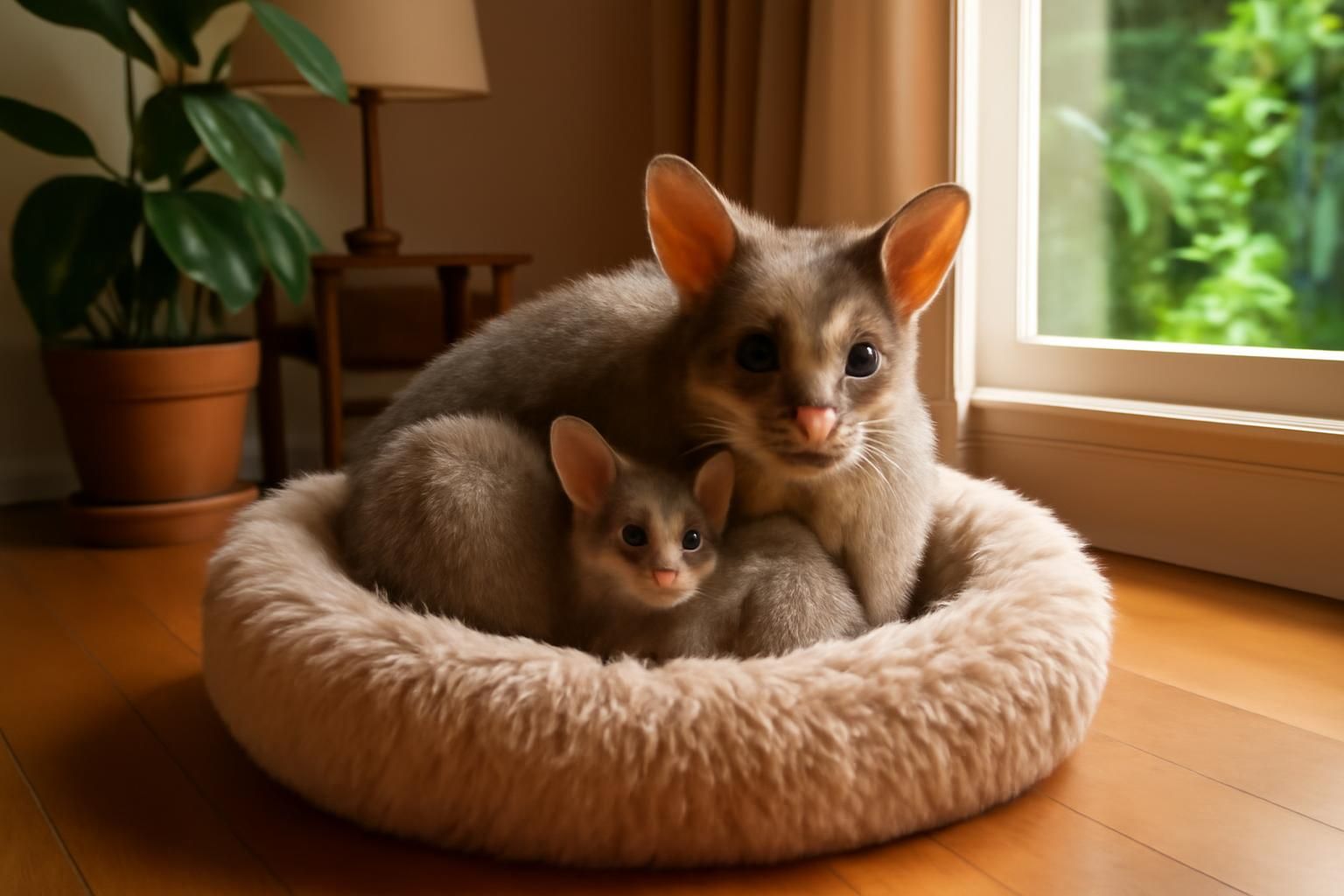
In Wollongong, Australia, a surprising but heartwarming encounter unfolded when a homeowner discovered a mother possum and her joey snuggled up comfortably in a small cat’s bed inside her house. This cozy yet unexpected visitors event captured on camera has intrigued animal lovers and wildlife enthusiasts alike, shedding light on the delicate balance between human habitation and native wildlife habitats.
As urban development expands, encounters like this become more frequent, raising awareness of the complex interactions between Australian wildlife and people. This story about a mother possum and her joey highlights not only the adaptability of wildlife but also the responsibility homeowners carry in coexisting with native species. The moment was both an adorable domestic disruption and a gentle reminder of the wild neighbors living just beyond our walls.
- Unexpected wildlife encounters are becoming more common in Australian suburban areas.
- Mother possums and joeys may seek shelter in warm, cozy indoor spots like a pet’s bed.
- Responsible handling of wild animals inside homes involves calmly returning them outdoors to reduce stress.
- Understanding possum behavior helps prevent conflicts and fosters peaceful coexistence.
- Homeowners should audit entry points to avoid repeat visits by wildlife seeking shelter.
How Australian Homeowners Encounter Wildlife in Unexpected Places
Encounters with native wildlife, especially possums, have become an intriguing, though sometimes challenging, facet of suburban life in Australia. Possums such as the Australian brushtail possum are quite common in residential areas, often sharing roofs, backyards, and even indoor nooks with human inhabitants. In 2026, as urban sprawl continues, these dazzling yet discreet encounters happen more frequently.
Australian homeowners often find the mother possum and her joey seeking warmth and refuge during cooler nights. This particular mother possum in Wollongong demonstrated this surprising behavior by nesting in a cat’s bed — usually a spot intended for a domestic pet — which illustrates how wild animals find comfort close to humans. Such incidents emphasize the resilience and adaptability of wildlife but also raise questions about balancing safety and respect for these creatures.
From wildlife rehabilitation stories to shared videos on platforms like TikTok, the trend shows growing public fascination and concern for how to manage these interactions responsibly. Any unexpected visitors inside a home can cause stress for both the animal and the homeowner, so it’s vital to navigate such moments with care and understanding.
Homeowners, therefore, need to know how to recognize signs of animal visits, such as scratches around roof spaces, small droppings, or unusual sounds at dusk. Recognizing these early signs allows for proactive steps, such as securing possible entry points or contacting local wildlife organizations for advice.
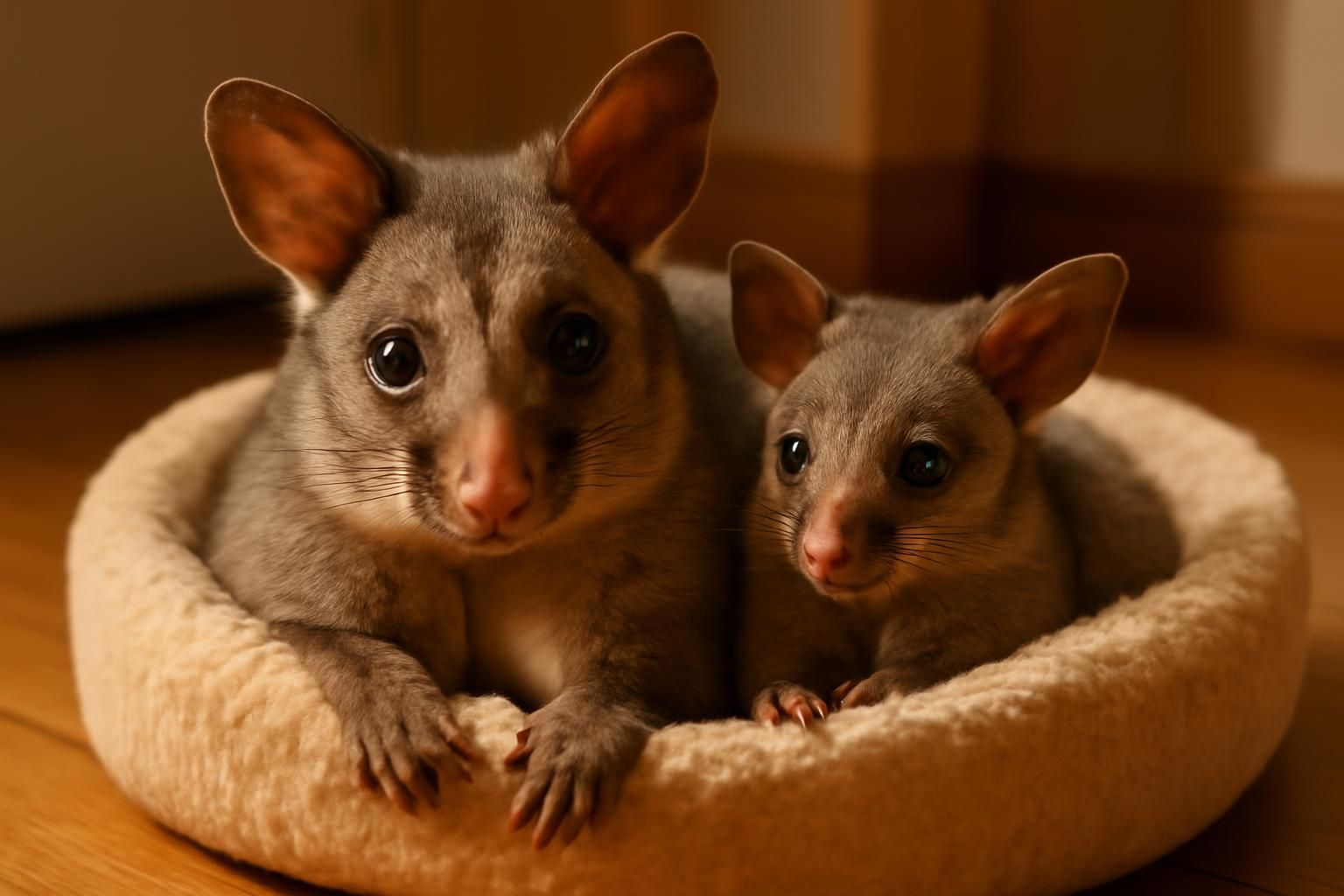
Understanding the Behavior of a Mother Possum and Her Joey in Urban Settings
The behavior of a mother possum and her joey provides fascinating insights into how wildlife adapts to urban environments. Typically nocturnal and arboreal, brushtail possums inhabit trees and shed light on the complex relationship between wildlife and human development. The mother and joey’s choice to rest in a cat’s bed indoors speaks volumes about the search for safety and warmth.
Adult mother possums are extremely protective of their young, and the joey — a young possum still dependent on its mother — often remains close by or inside the mother’s pouch until it grows large enough to explore independently. When disturbed, these possums may freeze, performing what is commonly known as “playing possum,” an instinctive defense mechanism that can confuse predators.
This intriguing behavior was spotted in the Wollongong story, where the mother possum and joey froze upon being filmed inside the home. Such posture is essential to their survival but may confuse people unfamiliar with their habits. Experts emphasize the importance of leaving the animals undisturbed while planning a safe way to usher them back outdoors.
Urban encroachment sometimes restricts natural tree hollows or safe nesting areas, prompting possums to explore alternative nesting sites, including man-made structures. Understanding this behavior helps homeowners create environments that discourage wildlife from seeking refuge indoors while providing safe outdoor habitats.
Protecting native possums includes leaving natural vegetation untouched, planting trees that support their needs, and avoiding interaction that encourages dependency on human hospitality. This balance reduces risks both to the possums’ wellbeing and to household members.
Steps for Safely Managing Possum Visits Inside Homes
When a mother possum and joey enter a residence, managing the situation safely is critical. The goal is to minimize stress and prevent injury to both the animals and humans. Experts recommend the following best practices:
- Stay calm and keep pets and children away: Sudden movements or loud noises can further stress the animals.
- Reduce noise and activity: This quiet environment encourages the possums to stay calm and avoid panic.
- Open a clear exit path: Open doors or windows to allow the animals a safe escape route.
- Do not attempt to handle the animals unless trained: Wild possums can scratch or bite if feeling cornered.
- Contact local wildlife authorities if injury or distress is suspected: Professionals equipped to care for wildlife can intervene properly.
After the possums leave the home, it is essential to inspect and seal entry points like roof gaps, pet doors, and window openings to prevent repeat visits. Not only is this a preventive measure, but it also helps keep the possums safe in their rightful outdoor habitat.
Managing such encounters responsibly fosters coexistence and shows respect for Australia’s unique and delicate native wildlife. Given the potential health risks from animal scratches and zoonotic diseases, cautious handling is a must.
Case Study: Rescuing a Possum Joey Pulled from Its Mother’s Pouch
A resident in New South Wales recently witnessed a poignant wildlife rescue involving a deceased mother possum with a joey still tucked inside her pouch. The joey was carefully retrieved and handed over to a licensed wildlife carer who would raise the young possum until ready for release back into the wild. This example demonstrates the vital role of community vigilance and expert intervention when dealing with native wildlife.
Such heartwarming interventions highlight the importance of respecting wildlife and the unpredictable challenges in urban environments shared with native species. This story has been covered on social media and through organizations promoting awareness about Australian wildlife care and rehabilitation.
Coexisting With Wildlife: The Importance of Respecting Natural Habitats
The incident of a mother possum and joey cozying up in a household cat’s bed parades an underlying truth: urban sprawl intrudes on habitats. Australia’s expanding suburbs increasingly collide with natural environments, leading to more frequent wildlife visits inside homes.
This forces a dialogue about respecting natural habitats and designing houses and gardens that reduce wildlife intrusion. Landscaping choices, such as planting native trees and shrubs away from the house, can provide alternative safe spaces for possums to nest without entering human dwellings.
Moreover, educating homeowners about wildlife behavior and local species reduces fear and misunderstandings, encouraging compassionate and informed responses to unexpected visitors. The community’s involvement in wildlife preservation also includes supporting rehabilitation efforts and respecting local rescue operations.
Practicing respectful coexistence means offering wildlife their space while ensuring human safety. It involves a concerted effort from residents and authorities to create environments where wild animals feel secure outdoors and are discouraged from indoor exploration.
Examining How Urban Development Impacts Australian Possum Populations
Rapid urban development in Australia has transformed landscapes and habitats for native species such as the brushtail possum. They face habitat fragmentation, loss of natural nesting trees, and increased risks from traffic, predators like dogs and cats, and human encounters. The case of a mother possum and joey finding shelter indoors exemplifies the challenges they face.
The pressure on possum populations pushes them into suburban backyards and their roofs, often bringing them into contact with people and pets. Conserving tree hollows and preserving green corridors are critical strategies to maintain healthy wildlife populations amidst development pressures.
| Urban Impact Factors | Effect on Possum Population | Mitigation Strategies |
|---|---|---|
| Habitat Loss | Reduced natural nesting sites | Preserve existing trees and plant native species |
| Increased Predators (dogs, cats) | Higher mortality and stress for possums | Secure domestic pets; avoid night outdoor roaming of pets |
| Vehicle Collisions | Significant possum fatalities | Install wildlife crossings; community awareness campaigns |
Proactive planning and wildlife-friendly urban design are vital to ensuring the survival of possums alongside expanding human settlements. Understanding these ecological dynamics helps residents realize the importance of tolerance and proper wildlife management.
Protecting Your Home From Future Wildlife Visitors
Following the unexpected visit of a mother possum and joey in a cat’s bed, Australian homeowners should consider practical steps to prevent such wildlife intrusions. These include:
- Regularly inspecting roofs, vents, and eaves for gaps or damage that possums can use as entry points.
- Installing fine-mesh screens or guards over potential openings, chimneys, and pet doors.
- Keeping pet food indoors and promptly cleaning up leftovers that might attract animals.
- Managing garden plants by positioning native trees away from the house to discourage climbing access.
- Contacting specialists like WIRES Wildlife Rescue if possums are trapped indoors or need assistance.
Homeowners can learn more about effective wildlife-friendly home practices through resources like those shared by local wildlife organizations and community groups advocating for humane coexistence. Implementing these measures ensures safety for the possums as well as the household, creating a respectful and thriving environment.
Exploring the Role of Wildlife Rescue and Rehabilitation in Australia
The growing interactions between wildlife and human habitats have elevated the importance of wildlife rescue and rehabilitation organizations in Australia. Groups like WIRES provide vital services to help orphaned, injured, or displaced animals return safely to their natural environments.
These organizations often rely on the awareness and cooperation of local residents to report incidents, provide initial care, and support rehabilitation efforts. Stories such as a mother possum found with a joey in her pouch after death highlight the crucial role of licensed carers who raise young wildlife before release.
The significance of these rescue operations was demonstrated by cases widely shared on social media, encouraging more Australians to engage positively with native wildlife. Learning more about wildlife rescue strategies can prepare homeowners to act appropriately during similar unexpected visits and reduce harm to animals and humans alike.
Additional information about wildlife habitats, management tips, and rescue contact details can be found at community-centered websites like local Australian wildlife blogs, providing essential guidance for peaceful coexistence.
What should I do if I find a mother possum and joey inside my home?
Remain calm, keep pets and children away, create an exit route, and contact local wildlife rescue if needed. Do not try to handle the animals yourself unless trained.
Can possums cause damage if they enter homes?
Possums may cause minor damage such as scratching or getting into roof spaces and insulation. It’s important to secure entry points and avoid feeding them indoors.
How do mother possums care for their joeys?
Mother possums carry their joeys in pouches until they grow enough to explore outside. They are protective and ensure the joey’s safety by staying close during the first months.
Are possums dangerous to humans?
Possums generally avoid humans and are not aggressive, but they can scratch or bite if threatened. It is best to observe them from a safe distance and not to provoke them.
What measures can I take to prevent possums from entering my home?
Inspect your home’s exterior for gaps, install screens, keep pet food indoors, and maintain your garden to discourage close proximity nesting.