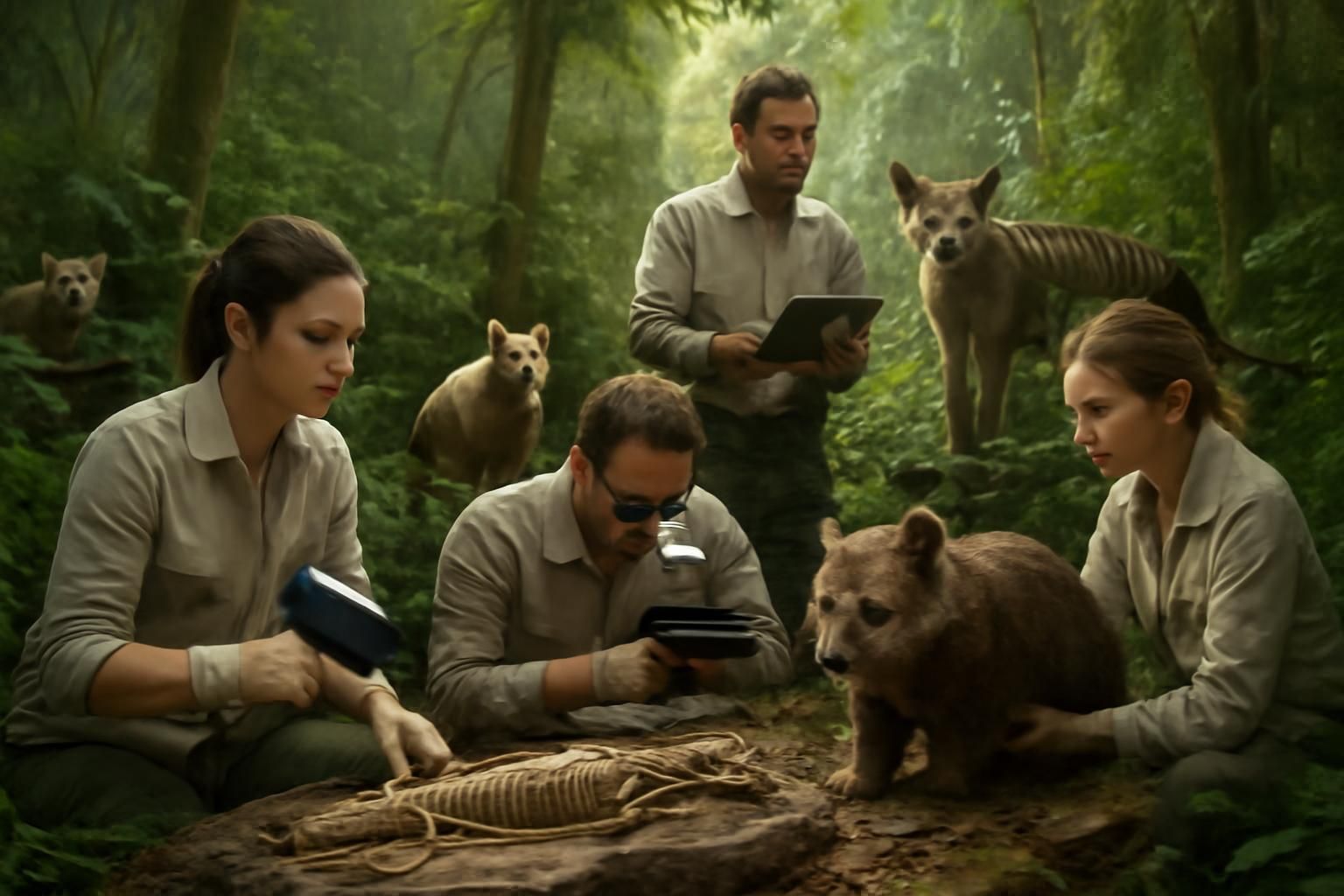
New research has unveiled a surprising chapter in the evolutionary tale of Australia’s marsupials, revealing a previously hidden lineage that adds depth and complexity to the understanding of these iconic creatures. For over 55 million years, marsupials have thrived across Australia’s expansive and varied ecosystems, adapting into more than 160 unique species from tiny possums in alpine regions to subterranean moles in arid deserts. Yet, gaps in the fossil record left much of their early diversification shrouded in mystery. The recent identification of three ancient species belonging to a newly proposed marsupial order, Keeunamorphia, reshapes the conventional narrative of marsupial evolution and biodiversity on the continent.
This discovery by scientists at the University of New South Wales, based on fossils found in the famed Riversleigh World Heritage Area, challenges the prevailing view that all Australian marsupials descended from a single ancestral group arriving via Antarctica. Instead, it suggests multiple ancient lineages coexisted, revealing that Australia’s marsupial evolution was far more intricate. The persistence of this hidden lineage for roughly 35 million years not only broadens marsupial taxonomy but also provides new perspectives on wildlife adaptation in Australia’s ever-changing environments. This breakthrough underscores how vital continuous research and fossil discoveries are for unraveling the history of Australia’s unique fauna, offering valuable insights in 2026 into past ecosystems and evolutionary processes.
Key points highlighted by this study include:
- The uncovering of a new marsupial order, Keeunamorphia, distinct from all previously known groups.
- The finding that this lineage may be the most ancient among Australian marsupials, possibly ancestral to carnivorous species.
- Evidence that marsupial evolution on the continent involved multiple parallel lineages rather than a single common ancestor.
- Fossils were primarily composed of small teeth and jaw fragments showing primitive features compared to other marsupials of similar age.
- Environmental changes in Queensland’s ancient rainforests played a role in the emergence and eventual disappearance of this group.
- This new knowledge fills significant gaps in Australia’s fossil record, bridging nearly 20 million years of marsupial history.
- The study supports ongoing wildlife research efforts exploring the lineage relationships and biodiversity origins of Australia’s mammals.
Unearthing a Hidden Marsupial Lineage: Breakthroughs in Australian Fossil Research
The discovery of the Keeunamorphia lineage has its roots in one of the world’s most prolific fossil deposits—Australia’s Riversleigh World Heritage Area. This site has long fascinated researchers with its well-preserved remains spanning millions of years of prehistoric life. The three new species described by UNSW paleontologists are estimated to have lived around 18 million years ago during the Early Miocene, a period when Australia’s climate was markedly wetter and its landscapes much more forested than today.
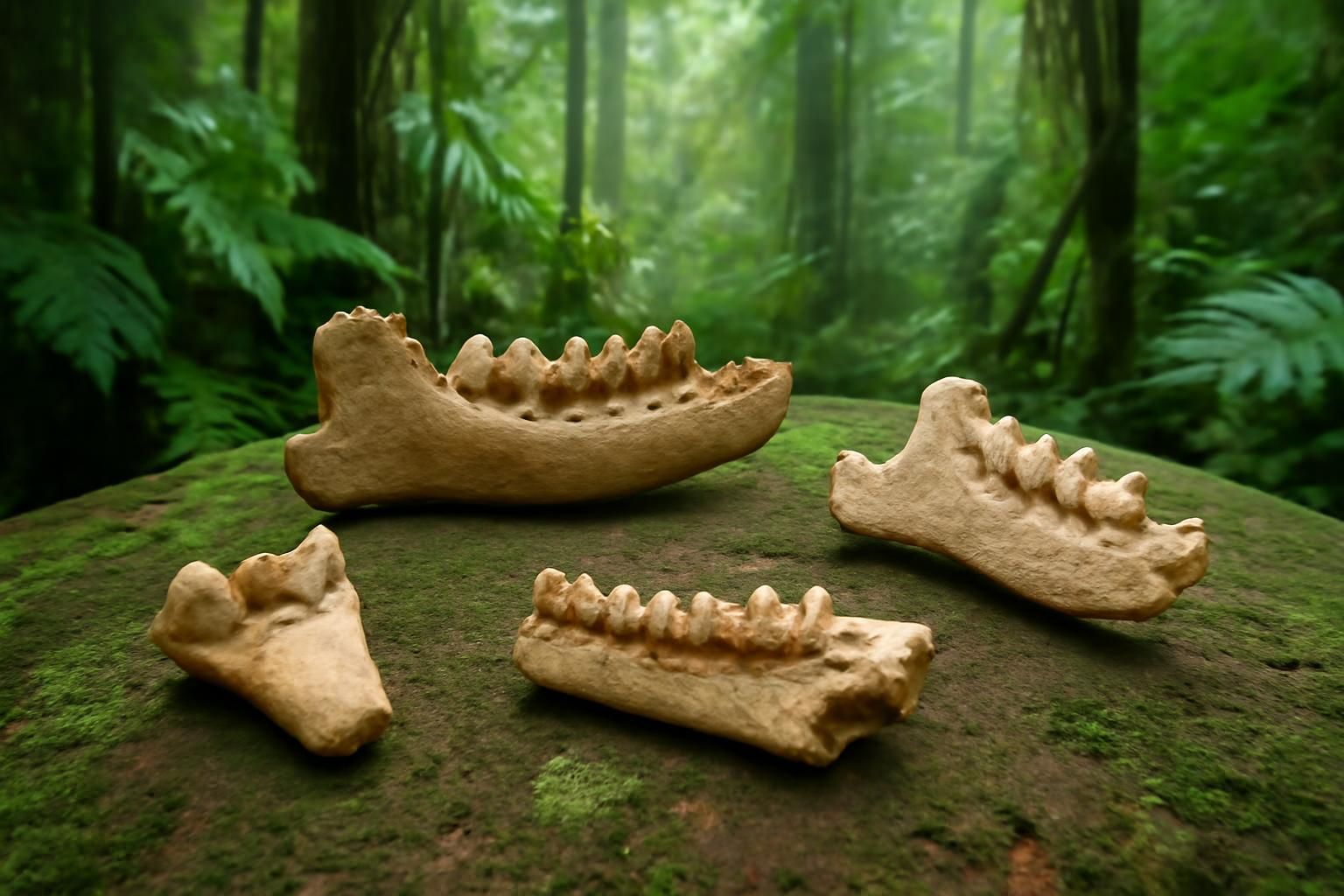
Unlike many fossil finds where nearly complete skeletons are recovered, this discovery relied heavily on microscopic teeth and fragments of jaws. This is a common challenge in paleontology since small, delicate bones rarely preserve completely. However, these teeth exhibited distinctive characteristics that set them apart from known marsupial groups. By using detailed morphological analysis combined with molecular data from living relatives, researchers constructed a phylogenetic tree placing these species in a previously unrecognized branch of the marsupial family.
The ability to classify these fossils depended on comparing multiple features such as tooth shape, jaw structure, and expected diet preferences. Notably, the Keeunamorphia species likely preyed on small insects and weighed between 25 to 200 grams. Their survival through tens of millions of years amidst evolving ecosystems highlights adaptability but also raises questions about why this lineage ultimately vanished around 15 million years ago. This discovery exemplifies how hidden diversity within the fossil record can inform broader patterns in environmental change, extinction, and evolution.
Tracing the Evolutionary Journey of Australia’s Marsupials Through Hidden Taxonomy
Scientists have long understood that Australia’s marsupials originated from ancestral groups migrating across prehistoric Gondwana, but the finer details of this journey have remained unclear, especially given fragmented fossils and gaps in genetic data. The revelation of the Keeunamorphia order adds a critical piece to this puzzle by revealing that marsupial evolution wasn’t a straightforward single lineage progression but involved multiple branching events.
Since marsupials first set foot on Australian soil more than 55 million years ago, these mammals diversified greatly to occupy almost all of the continent’s ecological niches. Currently classified into five recognized orders under the superorder Australidelphia, these groups encompass everything from tiny arboreal species to formidable carnivores. Keeunamorphia may represent a sixth order, distinguished by primitive dental and skeletal traits that more closely resemble one of the continent’s oldest known marsupials, Djarthia murgonensis, from 35 million years prior.
This evidence disrupts the once widely accepted narrative that a single ancestral lineage led to all modern Australian marsupials. Instead, it paints a more complex evolutionary scenario with several contemporaneous groups persisting for millions of years—some evolving rapidly, others maintaining more primitive adaptations. The researchers attribute this sustained diversity to Australia’s heterogenous and shifting environments, fostering niches for both specialized and generalist species.
As genetic technologies improve and more fossils come to light, taxonomists continue refining classifications to better reflect evolutionary relationships. The Keeunamorphia discovery emphasizes the dynamic nature of taxonomy in wildlife science. It calls for integrating fossil morphology, molecular biology, and ecological context to trace biodiversity through deep time effectively.
Environmental Shifts and Their Influence on Ancient Marsupial Diversity in Australia
The remarkable span of nearly 35 million years during which the Keeunamorphia marsupials thrived coincided with significant climatic and environmental transformations across Australia. Back in the Early Miocene, northern Queensland was enveloped in dense, wet rainforests—a stark contrast to the arid, open landscapes dominating today. This forested habitat provided diverse food sources and shelter, allowing small insectivorous marsupials to flourish.
However, about 14 million years ago, the region experienced global cooling and drying trends. These shifts gradually transformed lush rainforests into more open woodlands with expanding grasslands and lakes. Such ecological changes would have stressed species reliant on closed-canopy forests, making survival much more challenging.
Keeunamorphia’s disappearance around 15 million years ago correlates with this habitat transition, suggesting their specialized lifestyle could not adapt quickly enough to new conditions. This pattern mirrors other extinction events across Australia’s prehistoric timeline where habitat loss and climate fluctuations led to declines in several ancient lineages.
Studying these environmental interactions helps scientists understand how biodiversity is shaped by climatic pressures. It also provides context for current conservation efforts amid accelerating climate change, highlighting the importance of preserving habitats that harbor unique wildlife. Ancient fossils thus offer a lens not only into the past but also into future ecological resilience and vulnerability.
The Role of Fossil Teeth in Decoding Marsupial Evolutionary Mysteries
While many imagine ancient skeletons intact like museum exhibits, much of what paleontologists discover consists of isolated teeth and bone fragments. These minuscule fossils often provide disproportionate insight into evolutionary relationships. In this recent research, the distinct dental morphology of Keeunamorphia’s species was a pivotal factor in recognizing their hidden lineage status.
Teeth fossils offer clues about diet, environmental adaptation, and species identity. For instance, the Keeunamorphia marsupials possessed teeth suited for insectivory, hinting at their ecological role within ancient food webs. The shape, size, and wear patterns on teeth can also help differentiate related species and infer their evolutionary divergence times.
Because tooth enamel preserves well over millions of years, these fossils are relatively abundant compared to other skeletal elements. Scientists use detailed comparisons of these fossils against known species, combined with modern techniques such as CT scanning and 3D modeling, to reconstruct evolutionary histories in remarkable detail. This blend of paleontology and technology exemplifies how meticulous study of tiny fossils can illuminate large scientific questions about marsupial development and taxonomy.
Integrating Genetics and Fossils: Building a Comprehensive Marsupial Family Tree
Constructing a robust family tree for marsupials requires melding data from living species and ancient fossils. Researchers utilize genetic sequencing methods on extant marsupials to establish molecular phylogenies, which estimate the timing of species divergences. However, fossil evidence is crucial for anchoring these estimates and identifying extinct branches like Keeunamorphia.
Dr. Tim Churchill and his colleagues combined morphological data from fossil teeth and jaws with DNA analysis from living marsupials to create a more complete evolutionary model. This integrated approach allows scientists to pinpoint when key lineages branched off and how they relate to one another, advancing the understanding of marsupial taxonomy and biodiversity origins.
This method also reveals that evolutionary history is more reticulated—multiple parallel branches and extinctions—than linear, illustrating the complex interplay of geography, climate, and ecological dynamics in shaping wildlife. The discovery shows that part of Australia’s marsupial lineage history had been hidden due to preservation biases and limited sampling, emphasizing the importance of multidisciplinary research in paleobiology and evolutionary biology.
Marsupial Biodiversity and Conservation Insights from Ancient Lineages
Understanding the evolutionary trajectories of Australia’s marsupials has profound implications for biodiversity conservation today. The uncovering of Keeunamorphia sheds light on how ancient lineages persisted and adapted through changing environments, offering lessons on resilience and vulnerability. It also highlights that Australia’s present-day marsupial diversity is just a fraction of the prehistoric richness once present.
By studying these extinct groups, conservationists gain perspective on factors that may jeopardize current species, such as habitat fragmentation, climate change, and human impacts. Ancient ecological data helps predict which species or ecological types may be more susceptible to extinction. Moreover, it informs strategies for protecting habitats critical for sustaining diverse marsupial populations.
Maintaining biodiversity continues to be a global priority. Australia, known for its unique marsupials, bears special responsibility given its evolutionary heritage marked by complex lineage splits and adaptations. Research into these hidden lineages not only enriches scientific knowledge but empowers policymakers and organizations aiming to preserve Australia’s invaluable wildlife for future generations.
Cultural and Scientific Significance of Marsupial Discoveries in Australia
Australian marsupials hold a special place culturally, symbolizing the continent’s distinct natural heritage. Discoveries like that of Keeunamorphia deepen appreciation for this symbolic fauna, bridging gaps between science, education, and public interest. Such research fosters awareness of the intricate evolutionary history that shaped these animals, encouraging respect and protection.
At the scientific level, each new fossil discovery prompts re-evaluation of current understandings and compels smarter, more comprehensive approaches to research. Collaborative efforts between paleontologists, geneticists, ecologists, and local communities have become vital. These discoveries are milestones contributing to Australia’s global standing in wildlife research and evolutionary biology in 2026.
Educational programs now incorporate findings from these ancient lineages to illustrate real-world applications of evolutionary theory, taxonomy, and biodiversity conservation. This knowledge inspires the next generation of scientists and nature enthusiasts, highlighting that while much has been uncovered, the story of Australia’s marsupials remains rich with mysteries to explore.
Key Features of the Newly Discovered Keeunamorphia Marsupials
The identification of Keeunamorphia adds a distinctive chapter to marsupial taxonomy. These species exhibit characteristics that set them apart from known marsupial groups and underscore their unique evolutionary path.
| Characteristic | Description | Significance |
|---|---|---|
| Size | Small, ranging from 25 to 200 grams | Adapted for insectivory and niche forest environments |
| Diet | Primarily insect-eaters | Reflects ecological role in Early Miocene rainforest food webs |
| Dental morphology | Primitive, resembling early marsupial prototypes | Indicates early divergence and long-term evolutionary persistence |
| Habitat | Wet, dense forest regions of ancient northern Queensland | Demonstrates adaptation to rainforest ecosystems before climate shifts |
| Time span | Existed for approximately 35 million years | Highlights long survival amidst evolving biodiversity and environments |
Exploring Uncharted Chapters in Australia’s Marsupial Evolutionary History
Continued research into Australia’s marsupial heritage promises to further unravel the mysterious evolutionary pathways these animals followed. The story of Keeunamorphia reminds scientists that the history encased in fossils is far from complete. Each fossil tooth, jaw fragment, and genetic data point adds layers of nuance to evolutionary models, prompting reexamination and refinement.
Future excavations in Riversleigh and other fossil-rich sites may yield additional species and lineages yet unknown, painting a more intricate tapestry of biodiversity and adaptation. These investigations deepen the understanding of how marsupials not only survived geological upheavals but flourished into the diverse wildlife emblematic of Australia today.
As technology advances with improved analytical tools, combined with international collaborations, the pace of discovery accelerates—providing not just answers, but also raising new intriguing questions. The pursuit to decode Australia’s marsupial evolution aligns with larger scientific goals of comprehending life’s diversity and resilience on Earth.
What is the significance of the new marsupial lineage discovery?
The discovery of the Keeunamorphia lineage reveals an ancient, previously unknown branch on the marsupial family tree, indicating a more complex marsupial evolution in Australia than previously understood.
How do fossils contribute to understanding marsupial evolution?
Fossil teeth and jaw fragments provide vital clues about diet, habitat, and evolutionary relationships, allowing scientists to place extinct species within the marsupial family tree.
Why did the Keeunamorphia marsupials disappear?
Climate changes around 14-15 million years ago transformed Queensland’s rainforests into open woodlands, likely making survival difficult for the specialized Keeunamorphia lineage.
How does this discovery affect current marsupial taxonomy?
The finding suggests the need to recognize a sixth marsupial order, expanding our taxonomic framework and providing a clearer understanding of marsupial biodiversity origins.
What are the broader implications for wildlife conservation?
Studying ancient lineages informs conservation by highlighting how past environmental changes impacted marsupials, offering lessons on species resilience and vulnerability relevant to today’s climate challenges.