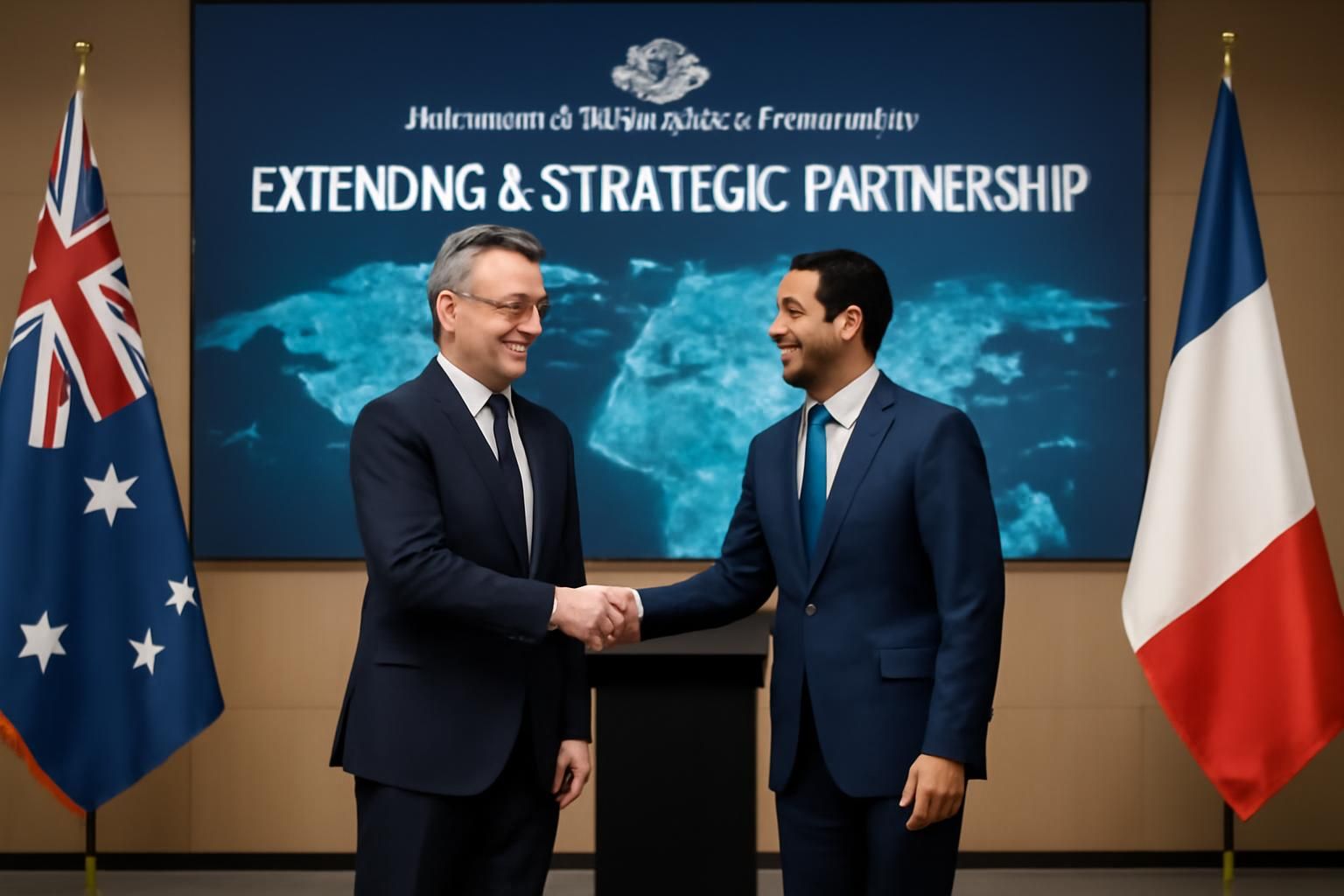
Australia’s Department of Foreign Affairs and Trade (DFAT) has recently declared an extension of its strategic partnerships, emphasizing a renewed commitment to bolstering international diplomatic relations and expanding bilateral cooperation. As global geopolitical landscapes continue to evolve, Australia’s foreign policy strategically adapts to enhance global partnerships, facilitate trade agreements, and promote regional stability. The extension of these strategic partnerships marks a significant step in reinforcing Australia’s presence on the international stage and underscores its proactive approach in addressing contemporary global challenges.
In brief:
- Australia’s Department of Foreign Affairs and Trade extends strategic partnerships to deepen diplomatic relations worldwide.
- Focus areas include cybersecurity capacity building, trade agreement enhancement, and bilateral cooperation in Asia-Pacific regions.
- Programs like Pacific Women in Cyber (PWiC) reflect Australia’s commitment to inclusive international relations.
- Australia strengthens ties with key partners such as Singapore and Indonesia through updated strategic frameworks.
- Collaborative efforts support regional stability and economic prosperity under Australia’s 2023–2030 Cyber Security Strategy.
Australia’s Expanding Role in International Relations through Strategic Partnership Extensions
Australia’s Department of Foreign Affairs and Trade continues to exemplify its leadership in international relations by extending its strategic partnerships with several countries across the Asia-Pacific. This extension reflects Australia’s adaptive foreign policy designed to meet new global challenges and opportunities, especially in the context of shifting geopolitical dynamics in 2026. Through these partnerships, Australia benefits from stronger diplomatic ties that enable more effective collaboration on trade, security, and cultural exchange.
The extension is not merely a continuation but an enhancement of cooperation frameworks. For instance, Australia’s commitment to stable regional order plays a pivotal role in shaping its foreign policy, as maintaining strong diplomatic relations ensures a cooperative milieu conducive to peaceful negotiations and trade facilitation. These updated agreements include provisions that address emerging areas such as cybersecurity resilience, climate diplomacy, and digital economy, showcasing Australia’s foresight in prioritizing both traditional and novel domains of collaboration.
One illustrative example is the renewed Australia-Singapore Comprehensive Strategic Partnership (CSP) 2.0, extending from 2025 to 2035, which incorporates new dimensions of cooperation aimed at preparing economies and societies for future challenges. This plan emphasizes innovation, sustainability, and regional security, symbolizing a modern approach by DFAT to foster bilateral cooperation that goes beyond trade to include social and technological collaboration.
With its strategic partnerships serving as pillars supporting Australia’s foreign policy, DFAT’s move reflects an understanding that international relations today require multifaceted cooperation. As global economies intertwine and face unprecedented challenges, Australia’s initiatives ensure that it remains a relevant and influential actor promoting stability and shared prosperity.
Cybersecurity Cooperation: A Key Pillar in Australia’s Strategic Partnership Extension
Among the critical domains strengthened by Australia’s Department of Foreign Affairs and Trade is cybersecurity. Recognizing the growing importance of digital security in international relations and trade, Australia has invested in initiatives like the Pacific Women in Cyber (PWiC) program. This initiative, funded through the Southeast Asia and Pacific Cyber Program (SEA-PAC Cyber), targets the empowerment of women and girls across the Pacific islands by offering cybersecurity training and career pathways.
The current extension, which spans several years until 2028, broadens PWiC’s impact across Tonga, Samoa, and Fiji, with aspirations to include additional Pacific nations. By emphasizing gender inclusivity, this program not only boosts cybersecurity capacity but also addresses broader social development goals. The mentorship components and secondary school outreach sessions serve as catalysts to inspire new generations into careers essential for regional and global cybersecurity resilience.
Australia’s Ambassador for Cyber Affairs and Critical Technology, Ms. Jessica Hunter, highlights the program’s dual role: equipping individuals with critical skills and enhancing the overall resilience of Pacific nations against cyber threats. This duality underpins Australia’s strategic vision of building robust global partnerships through shared security objectives.
Furthermore, the program’s integration of institutional partnerships ensures sustainability, creating pipelines that continuously nurture cybersecurity experts. Former Ambassador Douglas Lute’s reflections underscore the program’s transition from sparking interest in cybersecurity careers to establishing tangible career opportunities supported by internships and mentoring networks.
The cybersecurity focus aligns with Australia’s broader 2023–2030 Cyber Security Strategy, which aims to elevate regional capabilities, improve incident preparedness, and promote an open and secure digital ecosystem. Through such engagements, Australia reinforces its role as a security partner while fostering a digitally empowered Pacific region.
SEA-PAC Cyber: Australia’s Flagship Regional Initiative
SEA-PAC Cyber exemplifies Australia’s commitment to comprehensive regional cooperation. By consolidating cyber capacity-building efforts across Southeast Asia and the Pacific, this initiative supports its partners in enhancing their cybersecurity frameworks, legislative environments, and incident response mechanisms.
Emphasizing multilateral collaboration, SEA-PAC Cyber facilitates exchanges of knowledge and practices among countries, fostering a common regional approach to cyber policy and norms. This strategy not only protects economic interests tied to digital trade but also aligns with Australia’s diplomatic ambitions of nurturing resilient, transparent, and collaborative international relations.
In sum, cybersecurity has firmly established itself as a core element of Australia’s strategic partnerships extension, underscoring the integration of technology and diplomacy in contemporary foreign policy.
Trade Agreements as Cornerstones of Australia’s Bilateral Cooperation Efforts
Trade agreement facilitation remains a fundamental aspect of Australia’s strategic partnership strategy. In 2026, the Australian government, through its Department of Foreign Affairs and Trade, continues to negotiate and deepen trade agreements that support economic prosperity and reciprocal market access with key partners.
One of the highlighted agreements is with Singapore, where the extended Comprehensive Strategic Partnership strengthens not only bilateral trade but also economic integration, innovation sharing, and labor mobility. This expanded partnership now includes commitments to advance trade in digital goods and services, reflecting modern market trends and the digital economy’s growth.
Expanding trade agreements involve diverse sectors such as agriculture, technology, tourism, and education, which collectively create a robust economic framework for both Australia and its partners. The dynamic nature of these agreements allows for adaptive measures that respond to global market fluctuations and protect industries vulnerable to international competition.
Moreover, Australia’s trade strategies incorporate sustainability principles, ensuring that economic development aligns with environmental stewardship and social inclusivity. Such considerations have become increasingly important in the global arena as countries seek balanced growth that supports long-term regional stability.
Benefits of Extended Trade Agreements
- Market access expansion: Increased opportunities for Australian exports and imports.
- Economic diversification: Broader sectoral collaboration between partners.
- Investment facilitation: Enhanced pathways for foreign direct investment.
- Regulatory cooperation: Harmonization efforts to reduce trade barriers.
- Innovation encouragement: Joint ventures in technology and digital economies.
Enhancing Diplomatic Relations through Multilateral and Bilateral Forum Engagements
Australia’s approach to extending its strategic partnerships is deeply rooted in active diplomatic engagement both multilaterally and bilaterally. The Department of Foreign Affairs and Trade orchestrates numerous dialogues, consultations, and annual meetings to refresh shared objectives and deepen cooperation.
For example, the 10th Singapore-Australia Annual Leaders’ Meeting in 2025 marked a milestone where the CSP 2.0 was launched to guide cooperation through 2035. Such high-level engagements provide platforms for addressing cross-cutting issues including climate change, security challenges, and economic disruption.
Bilateral dialogs extend beyond traditional diplomacy to include defense cooperation, cultural exchange, and education partnerships. These interactions help maintain momentum and ensure that strategic agreements remain relevant and effective over time.
Regional forums such as the ASEAN-Australia Summit and the Pacific Islands Forum further amplify Australia’s foreign policy aims, providing forums to align collective efforts on shared priorities. These gatherings not only enhance diplomatic relations but also foster global partnerships that contribute to peace and prosperity.
Building Sustainable Workforce Development through Strategic Partnerships
One of the innovative aspects of Australia’s extended strategic partnerships is the emphasis on sustainable workforce development. Beyond trade and diplomacy, workforce empowerment sits at the heart of these collaborations.
The Pacific Women in Cyber initiative exemplifies how Australia integrates social development into its foreign policy. By focusing on cybersecurity education and career pathways for women and girls in the Pacific, DFAT supports gender inclusivity while addressing critical skill shortages in emerging industries.
Such programs foster institutional linkages between Australian organizations and regional partners, creating a cycle of skill development, mentorship, and employment opportunities. This model of sustainability ensures that partnerships yield long-term benefits that resonate locally and regionally.
In addition, Australia invests in educational exchanges and vocational training that support knowledge transfer. These efforts align with broader goals to elevate human capital development and foster innovation-led economic growth within partner nations.
Australia’s Foreign Policy Strategy Reflecting Contemporary Global Challenges
The extension of strategic partnerships mirrors Australia’s foreign policy adaptations that reflect contemporary global realities—ranging from security concerns, technological advancements, to economic interdependence. DFAT plays a central role in aligning Australia’s international commitments with national interests.
This strategic outlook embeds flexibility, allowing Australia to recalibrate relationships in response to shifting geopolitical tensions and emerging security threats. Australia’s dialogues with neighboring countries also address challenges such as climate change impact and regional health security which are increasingly prioritized within foreign policy frameworks.
Importantly, Australia promotes a rules-based international order by advocating for transparent trade practices and maintaining open diplomatic channels. This commitment helps shore up global partnerships that underpin national and regional prosperity.
Key Features of Australia’s Strategic Partnership Extension Framework
| Feature | Description | Impact on International Relations |
|---|---|---|
| Cybersecurity Initiatives | Programs like PWiC and SEA-PAC Cyber improve digital skills and security. | Enhances resilience and trust among partner nations. |
| Trade Agreement Enhancements | Updating frameworks for modern economic challenges and opportunities. | Strengthens economic ties and market integration. |
| Bilateral Cooperation Forums | Frequent high-level meetings and dialogues. | Maintains alignment and responsiveness in partnerships. |
| Workforce Development Programs | Focus on sustainable skill-building and gender inclusivity. | Fosters long-term regional economic growth and social development. |
Australia’s Engagement in Global Partnerships: The Road Ahead
Looking forward, Australia’s strategic partnership extensions represent a robust platform for addressing future challenges and enhancing foreign policy objectives. By working closely with regional allies and global partners, Australia continually reinforces its diplomatic relations and contributes to a more secure and prosperous international landscape.
These efforts align with strategic coordination across multiple sectors—from cybersecurity and trade to cultural diplomacy—illustrating the multi-dimensional nature of Australia’s foreign policy. Continuing to evolve these partnerships will be essential as global dynamics shift, ensuring Australia remains an influential actor committed to fostering collaboration and shared success.
Explore further details on Australia’s evolving international relations and diplomatic initiatives by visiting this detailed blog on Australia’s strategic foreign policy frameworks.
To understand more about Australia’s cybersecurity partnerships and capacity building efforts in the Pacific region, you can read about the Pacific Women in Cyber program and its impact.
What is the significance of the Australia-Singapore Comprehensive Strategic Partnership 2.0?
The Australia-Singapore CSP 2.0 extends bilateral cooperation through 2035, focusing on economic integration, innovation, and security, preparing both nations for future challenges.
How does the Pacific Women in Cyber initiative contribute to regional cybersecurity?
PWiC empowers women and girls in the Pacific with essential cybersecurity skills, creating resilient workforces and enhancing regional digital security capacities.
What role does DFAT play in Australia’s foreign policy?
DFAT leads strategic partnership development, aligning Australia’s international relations and trade agreements with national interests and global challenges.
Why are trade agreement enhancements important to Australia?
They provide expanded market access, encourage investment, promote innovation, and maintain regulatory consistency, benefiting Australia’s economy and global standing.
In what ways does Australia promote sustainable workforce development through its partnerships?
By supporting educational initiatives, mentorship programs, and inclusive career pathways, Australia ensures long-term social and economic growth in partner countries.