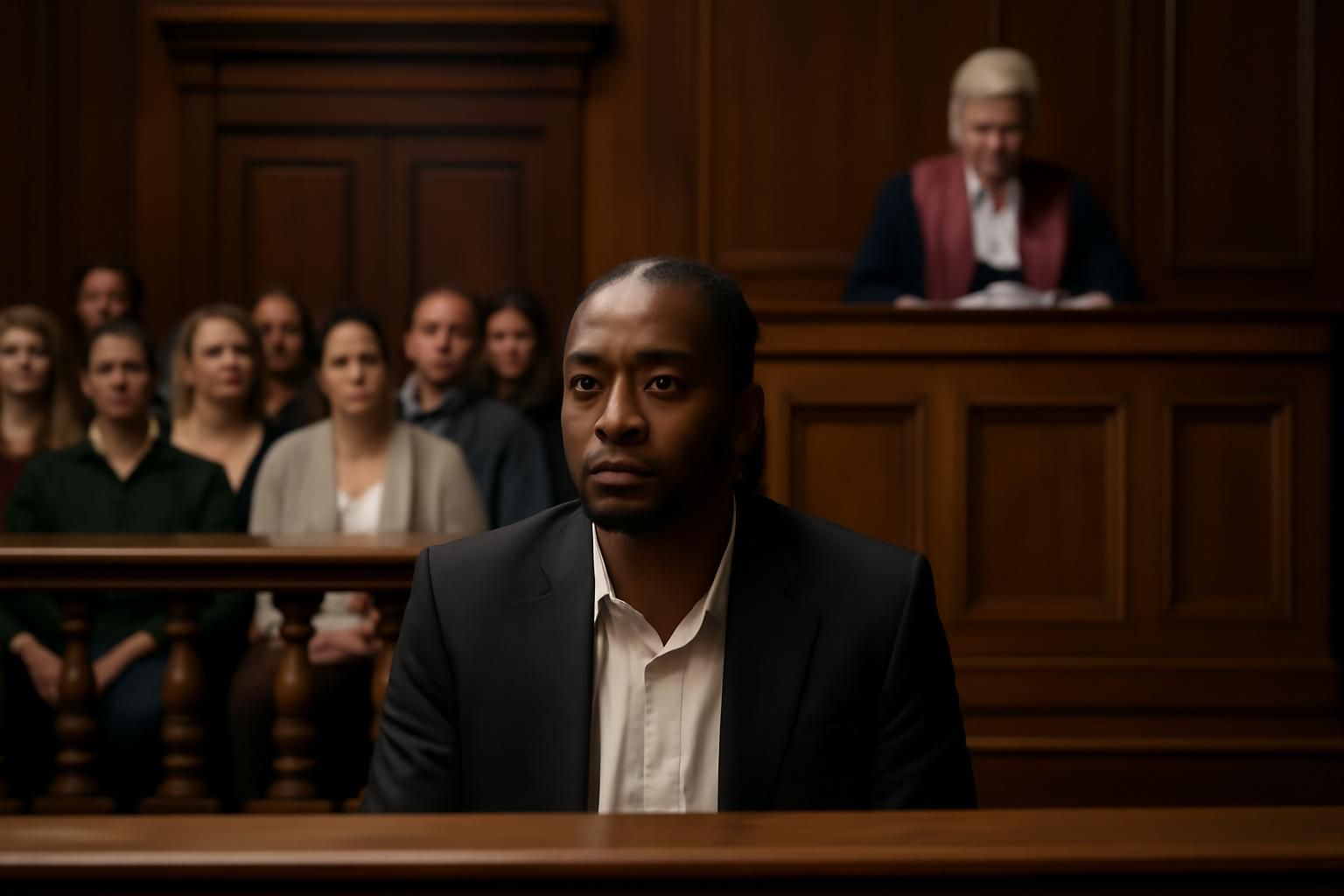
The recent court case involving British entertainer Yung Filly has captivated both the entertainment world and international audiences, marking a significant moment in celebrity legal proceedings. This dramatic trial, held in Australia, culminated in a verdict of guilty for assault by an Australian jury, bringing intense scrutiny to the British social media personality and rapper. The legal battle unfolded over allegations stemming from an incident that took place following a music performance, drawing attention to issues of celebrity accountability, international law, and media coverage of high-profile trials.
The trial was marked by emotional testimonies, public interest, and extensive media coverage. Yung Filly, known offstage as Andres Felipe Valencia Barrientos, faced serious charges that challenged his public image and tested the legal systems’ capacity to handle cases involving international celebrities. The case serves as a compelling example of how celebrity status intersects with justice and public perception, offering valuable insights into the complexity of such court cases in a globalized media environment.
- Yung Filly, a British entertainer, was found guilty of assault by an Australian jury.
- The trial highlighted the role of international law and cross-border legal cooperation.
- Media coverage amplified public awareness and discussion regarding celebrity conduct and accountability.
- The case raised questions about the influence of celebrity on legal proceedings and jury impartiality.
- The verdict marks a precedent in handling assault allegations involving social media figures.
Context and Details Surrounding the Assault Charges Against Yung Filly
The legal proceedings against Yung Filly began after allegations surfaced about an incident involving a 20-year-old woman following one of his music performances in Australia. The charges centered around claims of assault occasioning bodily harm, which the Australian jury ultimately upheld in their guilty verdict. Despite being acquitted of rape charges, the courtroom drama was intensified by the detailed testimonies and evidence presented over the course of the trial.
This section explores the timeline of events leading to the trial, the nature of the charges, and the key legal arguments from both the prosecution and defense. The allegations arrived amid a period where the social media star was on an international tour, bridging the complexities of jurisdictional issues. The trial exposed how international entertainers must navigate differing legal frameworks while under intense media spotlight.
The prosecution argued that the actions of Yung Filly caused significant physical and emotional harm to the accuser, emphasizing the importance of making public figures accountable for their behavior regardless of fame. Conversely, the defense maintained that the interactions were consensual and denied any criminal intent, underscoring the challenges of interpreting personal encounters within legal parameters. The jury’s decision to convict on assault but acquit on rape reflects the nuanced assessment of the evidence and testimonies.
The Role of the Australian Jury in Delivering the Guilty Verdict
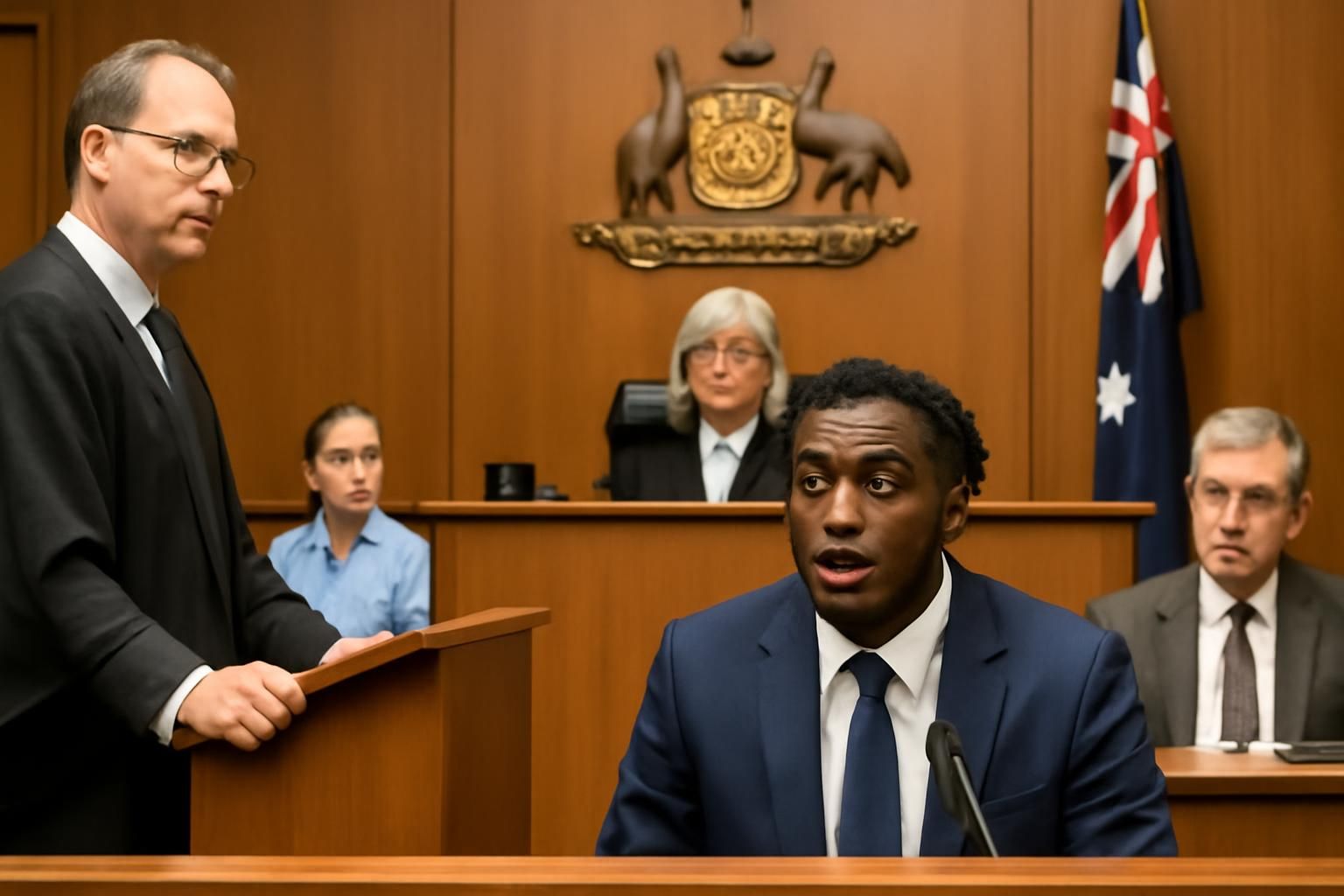
One of the defining aspects of this court case was the Australian jury’s role in assessing the evidence and testimony to reach a verdict. Jurors carry the heavy responsibility of evaluating complex and sensitive matters, especially in a case involving a celebrity whose reputation and career are at stake. The dynamics within the courtroom, including the presentation of witness accounts and expert opinions, influenced the jury’s interpretation of events.
Unlike in some legal systems, Australian juries often serve as the community’s voice in determining guilt or innocence. Their impartiality, despite external pressures from media and public opinion, is crucial to upholding the justice system’s integrity. In Yung Filly’s case, the jury grappled with conflicting narratives and ancillary evidence while ensuring that their decision was firmly grounded in the law and facts.
Further complicating the jury’s duties were the high-profile nature of the defendant and the international media scrutiny, which risked influencing perceptions and potential biases. Jury instructions by the presiding judge emphasized the importance of impartiality and basing deliberations solely on the courtroom evidence. The process exemplifies how judicial systems strive to balance transparency, fairness, and the presumption of innocence even under the glare of public attention.
Examining the Impact of Celebrity Status on Legal Proceedings in the Yung Filly Case
Celebrity influence in legal settings is frequently a subject of debate, especially when the defendant is a widely recognized figure like Yung Filly. The intersection of fame and justice raises questions about whether public personas receive preferential treatment, or conversely, whether they are held to harsher standards due to their visibility. This trial sheds light on these concerns through the lens of a British entertainer facing serious criminal accusations abroad.
The media frenzy surrounding Yung Filly’s case undoubtedly shaped public perceptions long before legal verdicts were delivered. News outlets and social media platforms buzzed with commentary, speculation, and polarized opinions, which may affect jury impartiality and trial dynamics. Celebrities often possess resources to mount robust legal defenses, yet they also confront amplified scrutiny compared to ordinary citizens.
Moreover, celebrity trials like this one serve as a cautionary tale regarding the management of public relations, legal strategy, and reputational damage control. The entertainment industry, fans, and sponsors monitor such cases closely, impacting the career trajectories of artists involved. Yung Filly’s guilty verdict on assault emphasizes that being in the public eye does not exempt individuals from accountability and that legal outcomes can profoundly influence a celebrity’s future.
Comparative Legal Frameworks: Australian Justice System Versus UK Legal Protections
The Yung Filly case exemplifies the complexities faced by international entertainers when charged under foreign jurisdictions. While the defendant hails from the United Kingdom, the incident occurred in Australia, subjecting him to Australian laws and judicial procedures. Exploring the differences and similarities between the Australian and UK legal systems offers insights into how such cases are handled globally.
Australia’s justice system is adversarial like the UK’s, but with notable procedural distinctions. For instance, Australian trials often rely heavily on juries to determine factual matters, whereas certain UK courts may deploy judge-led decisions in some cases. The roles of prosecution and defense are also shaped by the specific criminal codes in each country, affecting charge definitions, evidentiary standards, and sentencing guidelines.
For Yung Filly, navigating an Australian court required understanding these procedural nuances, supported by legal counsel adept in international law. Such trials underscore the importance of legal preparedness for visiting performers and public figures. The case also highlights potential challenges in extradition, rights protection, and consular support, which come into play in international legal disputes.
Public and Media Reactions to the Yung Filly Assault Verdict
Following the jury’s guilty verdict, the case quickly became a focal point in celebrity news and social commentary. Fans, critics, and observers took to social networks, forums, and mainstream media outlets to express their views. The widespread reactions demonstrate how legal outcomes involving celebrities reverberate far beyond the courtroom, affecting public discourse and societal attitudes toward assault, celebrity culture, and justice.
Supporters of Yung Filly expressed disappointment and called for empathy, invoking the entertainer’s contributions to music and online media. Conversely, advocates for victims of assault highlighted the verdict as an important step towards validating survivor voices, particularly in cases involving famous personalities. This public discourse not only reflects societal divides but also influences ongoing conversations about legal reforms and celebrity accountability.
Moreover, the media’s role in framing narratives and fueling conversations cannot be understated. Coverage often veers between sensationalism and responsible reporting, with outlets balancing the public’s right to information against the risks of prejudicing fair trials or encouraging trial by media. The Yung Filly case serves as a case study in the media’s power and responsibility surrounding high-profile legal proceedings.
Legal Precedents and Future Implications for International Celebrity Cases
The verdict against Yung Filly in this Australian court case sets significant precedents for how international celebrity cases may be treated legally in the future. With the increasing globalization of entertainment and social media, entertainers frequently perform and engage with fans across borders, raising complex jurisdictional and legal challenges when allegations arise.
Legal experts note that this case underlines the importance of jurisdictional sovereignty and the efficacy of local judicial systems in prosecuting crimes regardless of a defendant’s nationality or fame. It may encourage other countries to adopt similar approaches to ensuring justice in cases involving visiting performers and public figures. For celebrities, this development signals a need for heightened awareness and adherence to legal and ethical standards wherever they operate.
The case also encourages dialogue on harmonizing international legal processes to better handle cross-border allegations, including potential treaties or agreements facilitating cooperation. Beyond the courtroom, entertainment industry stakeholders are prompted to consider policies and codes of conduct addressing artist behavior and fan interactions globally.
Understanding the Detailed Court Proceedings During Yung Filly’s Trial
The dramatic trial of Yung Filly involved a series of legal stages from pre-trial hearings to the final verdict, each marked by critical moments that shaped the case’s direction. The proceedings incorporated witness testimonies, presentation of evidence, cross-examinations, and legal arguments reflecting the complexity of the assault allegations.
The prosecution presented a timeline of events, detailing the interaction between the entertainer and the accuser, supported by medical reports and expert analysis concerning bodily harm. Defense attorneys challenged the credibility of witnesses and the interpretation of evidence, emphasizing the consensual nature of the encounter. Such dynamic exchanges revealed the intricacies of proving assault beyond reasonable doubt, especially in cases where personal interactions are at the core.
An important aspect involved the court’s handling of character evidence and media influences, with judges carefully instructing the jury to focus exclusively on facts presented. The jury’s deliberation period was intense, reflecting the gravity of their decision-making role. Observers saw this trial as a benchmark in how high-profile assault cases are managed within Australian courts, particularly when involving foreign celebrities.
List of Fundamental Lessons from the Yung Filly Assault Case
- International jurisdiction demands rigorous legal awareness from entertainers abroad.
- Celebrity status does not immunize individuals from legal consequences.
- Media plays a dual role in informing the public and shaping perceptions, requiring balanced journalism.
- Juries must maintain impartiality despite public and media pressure.
- Legal proceedings require meticulous evidence examination, especially in sensitive assault cases.
- Global entertainment industry must prioritize ethical conduct and accountability.
- Cross-border cooperation between legal systems is essential for effective justice.
| Aspect | Australian Legal System | UK Legal System |
|---|---|---|
| Trial Type | Jury trial for most serious offenses | Mixed; jury and judge-led trials |
| Role of Jury | Determines guilt or innocence | Varies; judge often decides factual issues |
| Legal Standards | Beyond reasonable doubt | Beyond reasonable doubt |
| Sentencing | Sentencing guidelines set by statute | Guidelines with judicial discretion |
| Media Influence | Jury instructed to disregard media | Similar restrictions apply |
For an in-depth analysis of the case and its implications for legal and celebrity spheres, visit this detailed article.
Who is Yung Filly?
Yung Filly is a British rapper, social media personality, and entertainer whose real name is Andres Felipe Valencia Barrientos.
What were the charges against Yung Filly in Australia?
Yung Filly faced charges of assault occasioning bodily harm and allegations of rape, though he was acquitted of the rape charges while found guilty of assault.
How did the Australian jury reach their verdict?
The jury reviewed evidence and testimonies presented during the trial, ultimately finding Yung Filly guilty on assault charges while acquitting him on rape allegations.
What impact does celebrity status have on legal trials?
Celebrity status can influence public perception and media coverage, potentially affecting jury impartiality and legal strategies, but courts emphasize fairness and impartiality.
Where can I find more detailed information about the Yung Filly case?
A comprehensive article about the trial and its broader implications is available at this link.