
Australia’s pioneering decision to ban social media access for users under the age of 16 has captivated global attention, reflecting growing concerns about the impact of digital platforms on adolescent mental health and well-being. The new regulation, enacted with the aim of creating safer online environments for youth, requires major social media platforms to verify users’ ages rigorously before granting access. Despite strong governmental resolve and public support, the implementation has uncovered significant obstacles, particularly around the technical feasibility of age verification and the platforms’ compliance. As platforms grapple with enforcing the law, questions are emerging about its real-world effectiveness, the implications for adolescents’ rights, and the lessons it offers for global youth policy frameworks.
Key highlights from this evolving scenario include:
- Australia’s social media ban for under-16s represents the first of its kind worldwide, setting a precedent for similar youth-focused regulations overseas.
- Despite the regulation’s intent, major platforms such as TikTok, Instagram, and Snapchat are not reliably verifying user ages, undermining the ban’s enforcement.
- The reliance on “age inference” technologies rather than active verification has allowed many teens to bypass restrictions unnoticed.
- Australia’s government continues to pursue legal actions and policy adjustments to bolster enforcement.
- The development underscores the profound technical and ethical challenges inherent in regulating adolescent social media access while balancing freedoms and protections.
Technical Hurdles in Age Verification Systems of Major Platforms
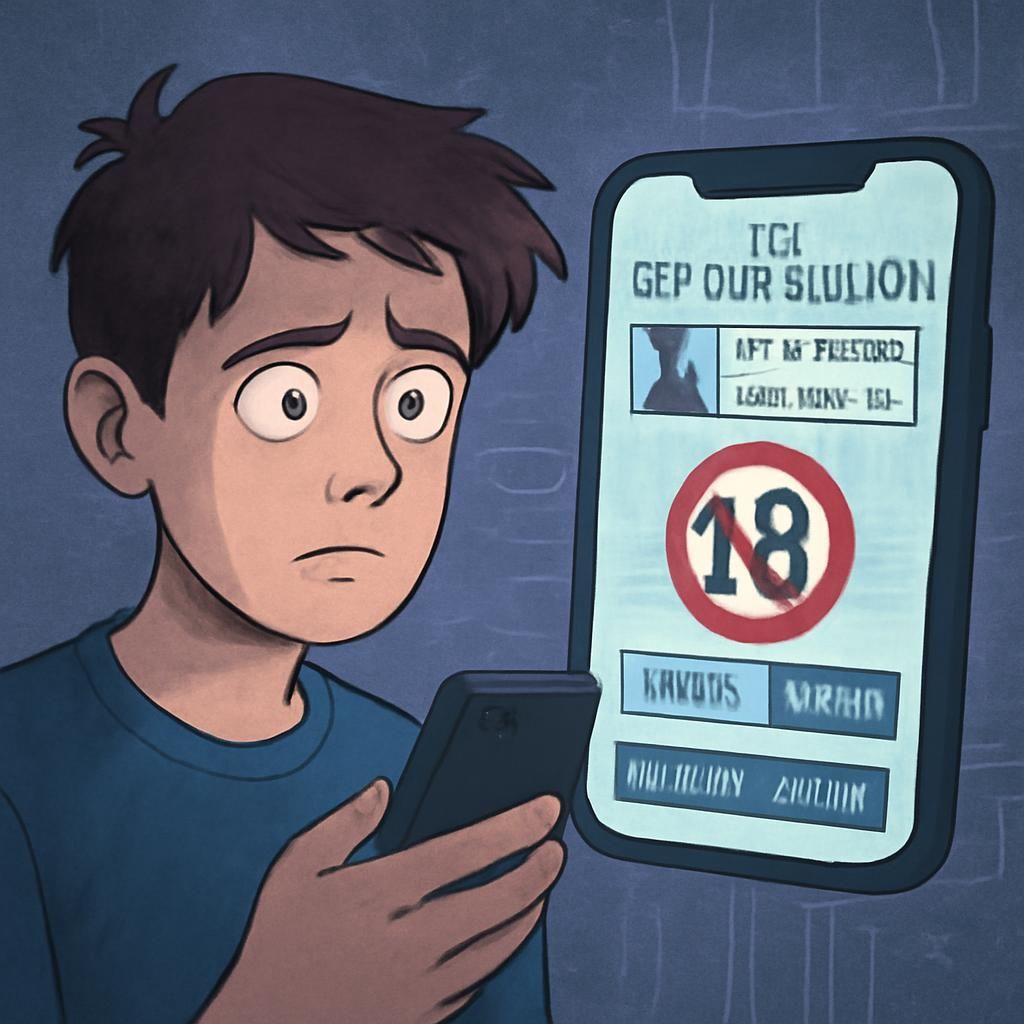
One of the core challenges facing Australia’s social media ban is the difficulty platforms encounter when tasked with reliably confirming the ages of millions of users. Platforms typically rely on self-reported birthdates during account registration, but incorporating mandatory, verifiable proof of identity is complex, costly, and raises privacy concerns. In a comprehensive follow-up study conducted in early 2026, researchers tested 50 new accounts registered on leading social media services—setting the declared age to 16, the regulatory threshold under the law.
Remarkably, none of these test accounts were subjected to any form of robust age verification. Platforms including Instagram, Snapchat, TikTok, YouTube, and X (formerly Twitter) permitted access to all the accounts without demanding proof of age documentation, contrary to the “reasonable steps” required under the legislation. This absence of enforcement reveals significant loopholes in practical implementation despite legislative intent.
The platforms have implemented a variety of low-friction “age inference” mechanisms that use browsing patterns, previous data, and AI behavioral analysis to guess a user’s age. However, these tools often miss minors who deliberately misstate their birthdates. For instance, one of the test accounts was exposed to inappropriate adult content, and others received advertisements targeted at younger audiences, demonstrating that platforms internally categorize these users as minors despite their unverified status.
Australian live-streaming platform Kick remains a rare exception, requiring explicit proof of age from users. Still, this model hasn’t been widely adopted by global tech giants, who balance user growth ambitions against compliance costs.
The technical difficulties of verifying ages pose a conundrum for governments worldwide considering similar regulations, highlighting how digital youth policy must innovate effectively to enforce protective measures without invasive surveillance or privacy infringements. The shortcomings identified in Australia’s approach serve as a cautionary tale for developing robust, ethical strategies for adolescent online safety.
Government Strategies to Enforce Australia’s Teen Social Ban
In response to the implementation challenges, the Australian government has adopted a more aggressive stance toward enforcement. The Prime Minister publicly pledged to “bullet-proof” existing legislation and pursue legal actions against platforms that fail to comply with age verification requirements. This includes imposing fines, demanding transparency in algorithms used for age assessments, and mandating regular audits to assess compliance.
The government’s strategies involve collaboration with cybersecurity experts, youth advocacy groups, and digital platform representatives, aiming to establish standard protocols that respect both user privacy and protective regulations. To further strengthen enforcement, authorities are exploring emerging technologies like blockchain-based digital identity systems that could securely authenticate users’ ages without compromising personal data.
Additionally, Australia’s initiatives serve as an experimental model for international cooperation on digital youth policy. Several countries, such as Canada, the UK, and Indonesia, are monitoring Australia’s progress closely while drafting their own regulations. Australia’s experience is informing dialogues on balancing technological capabilities with social imperatives for safeguarding teens globally.
Despite political will and policy innovation, some challenges persist, especially around the technical readiness of platforms to comply swiftly, the resistance from powerful social media corporations, and the evolving landscape of online content consumption by adolescents. Nevertheless, the government’s commitment indicates recognition of the urgent need to defend teens from potentially harmful digital exposure, while fostering safer, inclusive virtual communities.
Social and Psychological Implications for Adolescents under the Ban
The social restrictions imposed by Australia’s new policy are sparking intense debate about their psychological impact on adolescents. While many adults champion the ban as a protective measure against cyberbullying, online addiction, and mental health deterioration, numerous teenagers express feelings of isolation, exclusion, and a violation of their digital rights.
Experts in adolescent psychology warn that social media serves significant developmental functions such as identity exploration, peer bonding, and information access. Restrictions may inadvertently curtail these vital experiences, potentially exacerbating feelings of loneliness or hindering social skills.
Case studies have shown a mix of outcomes. Some teenagers report relief from online pressure and distraction, noting improved sleep patterns and better academic focus. Others, however, have resorted to secretive use of VPNs or fake accounts to bypass restrictions, highlighting the limits of control and raising ethical concerns about trust and autonomy.
The tension between protecting youth and respecting their agency necessitates nuanced approaches. Policymakers and mental health professionals advocate for complementary educational programs that teach digital literacy and resilience alongside regulatory measures, empowering adolescents to navigate the online environment safely and consciously.
The Global Influence of Australia’s Social Media Ban on Youth Policy
Australia’s trailblazing ban has become a catalyst for broader conversations on youth regulation in digital spaces worldwide. Governments and regulatory bodies are examining the Australian legislation as a case study to assess potential frameworks and pitfalls for their own contexts.
Internationally, the policy is prompting stakeholders to evaluate questions such as what age thresholds are appropriate, how to balance privacy with safety, and what technical infrastructure is necessary. The Australian approach is cited frequently in discussions about implementing national social media laws, often highlighting both its ambitions and shortcomings.
As other countries observe Australia’s challenges and adjustments in real time, they refine their own proposals accordingly. This has led to an emerging patchwork of legislative experiments, varying from full bans to enhanced age verification requirements and educational initiatives aimed at media literacy.
These developments illustrate a crucial shift in how societies perceive the role of government in protecting adolescents online. The Australian case contributes significant experiential data to these ongoing debates, shaping the global youth policy landscape through practical lessons.
Legal Challenges Surrounding the Social Media Age Restrictions
The social media ban has faced immediate legal scrutiny, particularly concerning constitutional freedoms and individual rights. Critics argue that restricting under-16s’ access to social media platforms impinges on their implied right to freedom of political communication, a fundamental concept in Australian constitutional law.
Legal challenges have been brought forward in the High Court, demanding the government provide evidence that such bans are necessary, reasonable, and compatible with democratic freedoms. The government’s position emphasizes public health and safety, supported by expert testimony on the detrimental effects of early social media exposure on youth mental health.
This legal contest reflects a wider global debate on the scope and limits of state regulation in digital spheres, especially where minors’ rights intersect with societal responsibilities. Resolving these tensions requires balancing protection against overreach, ensuring policy respects legal norms while addressing important social issues.
As of mid-2026, these cases remain unresolved, but their outcomes are expected to influence future legislation and enforcement tactics not only within Australia but internationally, reinforcing the importance of judicial review in innovative youth policy measures.
The Role of Industry Cooperation and Corporate Responsibility
Social media companies play a critical role in the success or failure of Australia’s teen social ban. The reluctance or inability of major platforms to implement stringent age verification measures illustrates ongoing conflicts between business models relying on user growth and profit and public regulatory demands.
Industry cooperation models suggest that effective regulation requires transparent dialogue, shared technological development, and verified compliance mechanisms. Some platforms have initiated pilot projects testing enhanced age checks, but broad adoption remains uneven.
Public pressure and government mandates encourage companies to innovate, employing technologies such as biometric verification, AI-driven behavior analysis, and partnerships with trusted identity providers. However, these solutions raise further questions about user privacy, data security, and ethical use of personal information.
In balancing corporate interests and social duties, the industry faces complex ethical responsibilities. Platforms must protect minors without creating exclusion or discrimination while navigating the regulatory landscape shaped by initiatives like Australia’s social media ban.
Monitoring and Measuring the Social Ban’s Effectiveness
Evaluating whether Australia’s teen social media ban achieves its intended objectives is critical for refining youth policy both nationally and globally. Monitoring efforts include analyzing platform compliance data, youth mental health statistics, and social behaviors related to online access post-ban implementation.
Preliminary reports indicate mixed results: while some reduction in underage account creation appears, the extensive circumvention through false declarations and technical workarounds undermines comprehensive enforcement. Measuring mental health impacts also poses challenges due to multifactorial influences.
Metrics under development encompass:
- Rate of age verification failures or bypasses detected by platforms
- Changes in reported rates of cyberbullying, online harassment, and digital addiction among teens
- Levels of youth engagement with alternative digital platforms not covered by the ban
- Surveys of adolescent experiences and perceptions about social media access restrictions
This data-driven approach aims to inform iterative policy adjustments ensuring that regulation adapts to evolving online environments and addresses youth needs effectively.
| Evaluation Metric | Description | Status in 2026 |
|---|---|---|
| Age Verification Accuracy | Percentage of accounts correctly verified to be over 16 | Below 10%; significant gaps reported |
| Underage Account Creation | Rate of accounts detected under 16 bypassing restrictions | High; many use false birthdates |
| Youth Mental Health Indicators | Frequency of anxiety, depression, and social isolation in teens related to social media use | Mixed; some improvements, some worsening |
| Alternative Platform Engagement | Growth in youth users on unregulated or less regulated platforms | Rising; shift observed |
Future Directions and Innovations in Social Media Regulation for Adolescents
Looking ahead, the challenges faced by Australia in implementing the social media ban for under-16s signal the need for innovative approaches that blend technology, policy, and education for sustainable impact. Emerging trends include integrating highly secure digital identity frameworks with privacy-protective designs, employing AI that adapts to detect and deter underage access more effectively, and promoting cross-sector collaborations.
Educational programs emphasizing digital rights and responsibilities for adolescents are also gaining traction as complementary to regulation. By equipping young users with knowledge and critical skills, policymakers hope to foster safer digital participation organically rather than purely through top-down restrictions.
Moreover, international bodies may work towards harmonized standards, enabling platforms to apply consistent age verification processes globally, simplifying enforcement and reducing harm internationally.
Ultimately, Australia’s experience offers valuable lessons: technological solutions must evolve alongside regulatory frameworks and societal values to protect youth well-being while respecting freedoms. The ongoing dialogue between governments, industries, and adolescents themselves will shape the future of digital inclusion and safety.
For those interested in a detailed exploration of Australia’s evolving youth digital regulations and their global implications, additional insights can be found at Australia’s social media regulatory updates and digital youth policy discussions.
What is the main goal of Australia’s social media ban for under-16s?
The primary goal is to protect adolescents from potential mental health harms, cyberbullying, and exploitation on social media platforms by restricting under-16s from account creation.
Why are major social media platforms struggling to verify user ages effectively?
Platforms face technical, privacy, and operational challenges in implementing rigorous age verification systems, often relying on self-reported data or low-friction inference tools that can be bypassed.
How does the ban impact teenagers socially and psychologically?
While the ban aims to protect teens, it also risks feelings of isolation and infringes on digital freedoms, leading some teens to seek ways to circumvent restrictions or feel excluded.
Are there any legal challenges against the social media ban?
Yes, several challenges argue that the ban infringes on constitutional rights related to freedom of political communication; these cases are pending in the High Court.
What future changes might improve enforcement of youth social media regulations?
Innovations like blockchain-based digital IDs, enhanced AI verification, global cooperation, and digital literacy education are potential pathways to strengthen enforcement and balance rights.