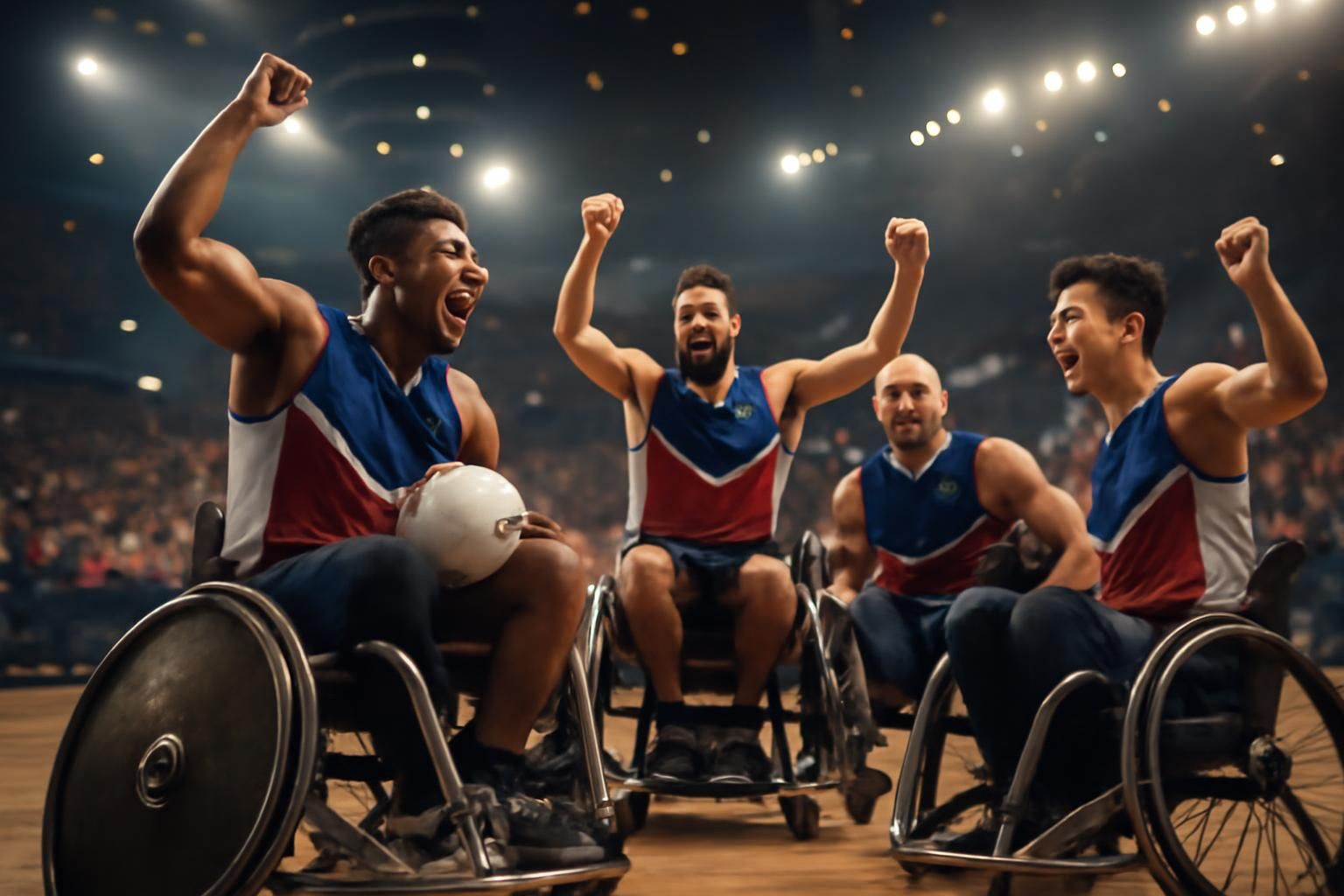
The U.S. wheelchair rugby team has triumphantly seized its first World Championship title in over sixteen years, rekindling national pride and reshaping the landscape of disability sports. This monumental victory, achieved after a gripping final against Australia in São Paulo, Brazil, has ignited renewed interest in adaptive sports and solidified the team’s position as world-class champions. The win is not only a testament to the players’ extraordinary skill and resilience but also an inspiring milestone for the entire Paralympic sport community ahead of the 2028 Los Angeles Paralympics.
In the fiercely competitive arena of wheelchair rugby, an aggressive, high-contact sport that tests athleticism and strategy among athletes with impairments, the U.S.’s resurgence marks a significant shift. Since their last global championship win in 2010, the team has faced formidable rivals, most notably Australia, whose dominance pushed the U.S. to strive harder. The competition culminated this year with the U.S. edging out the Australian Steelers 57-51 in a dramatic rematch of the 2022 final. This victory exemplifies how perseverance, teamwork, and tactical evolution can yield success over time in disability sports, underlining the sport’s growing global prominence. The championship not only celebrates athletic excellence but also highlights ongoing efforts to increase visibility and support for adaptive sports worldwide.
Historic Rivalry and Redemption: U.S. vs Australia at the World Wheelchair Rugby Championship
The nerve-wracking rivalry between the U.S. and Australia has defined wheelchair rugby’s recent history. Both teams have consistently reached the late stages of major tournaments, trading victories and establishing one of the sport’s most intense rivalries. The 2026 World Wheelchair Rugby Championship in São Paulo presented a perfect stage for this historic clash.
Earlier in the championship, Australia held a narrow 54-44 win over the U.S. during pool play, showcasing their tactical superiority and physical endurance. However, the U.S. team, undeterred by the setback, meticulously adapted their approach. Key adjustments involved enhancing defensive pressure and optimizing offensive strategies around their veteran leader, Chuck Aoki, a four-time Paralympian. Aoki’s experience and calm under pressure were instrumental in rallying the team towards their eventual victory.
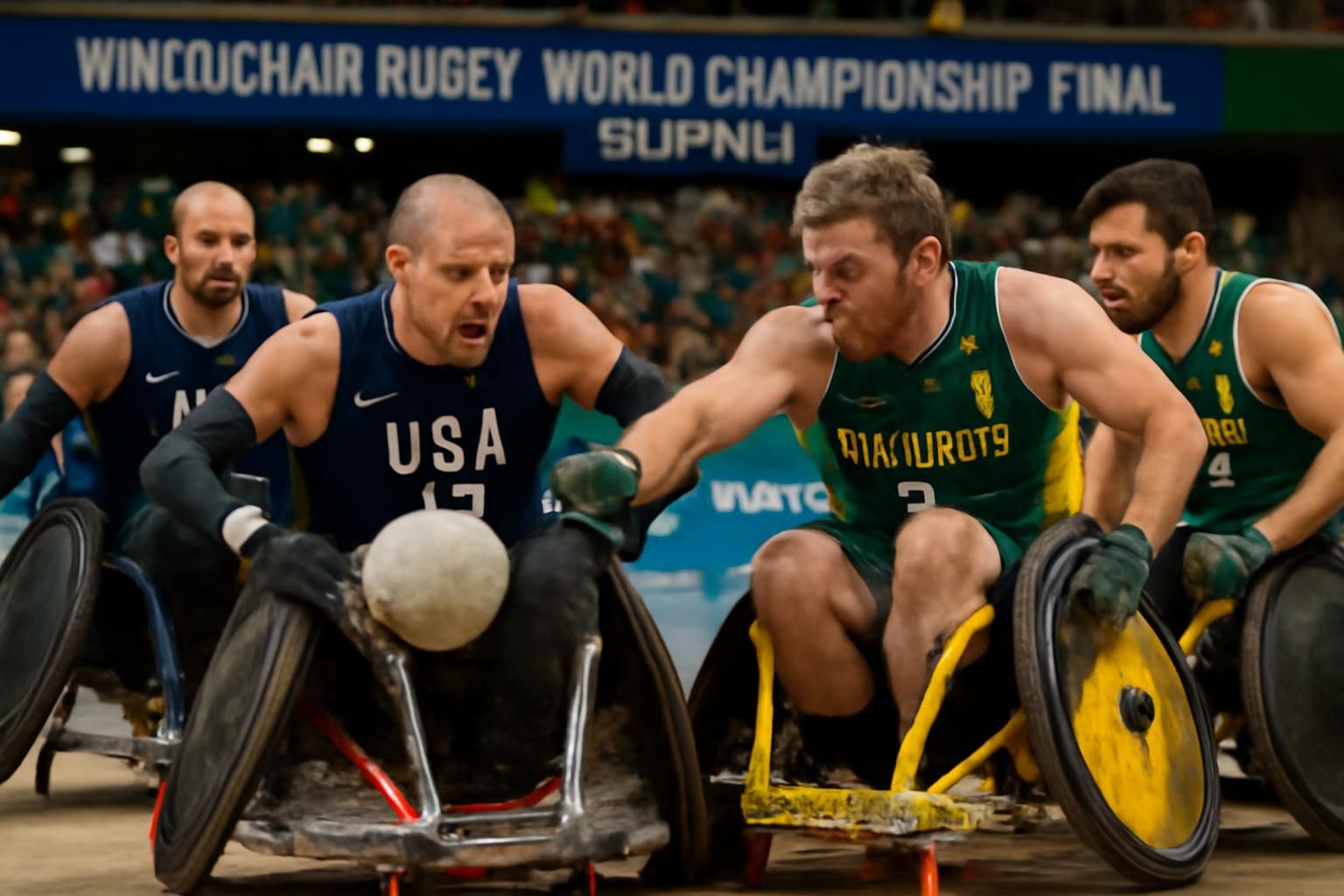
In the final, the U.S. came out firing, rapidly overturning their previous loss. Their ability to sustain high energy and precision under pressure was evident as they built a lead and defended it despite Australia’s relentless attempts to close the gap. The 57-51 score reflects a gripping, end-to-end contest where every try was contested fiercely. Both teams exhibited exceptional skill, but the Americans’ strategic depth and mental resilience prevailed, underscoring the critical importance of psychological preparedness in elite disability sports.
This rematch not only symbolized redemption but also served as a beacon for teams worldwide looking to rebuild and overcome adversity in competitive wheelchair rugby. The U.S. victory after a 16-year drought resonates with themes of perseverance and renewal that extend beyond sport.
The Role of Leadership and Experience in Achieving World Championship Glory
Leadership on and off the court stands out as a core factor behind the U.S. wheelchair rugby team’s remarkable comeback. Chuck Aoki’s presence as a seasoned four-time Paralympian has been pivotal in guiding younger athletes, fostering a culture of tenacity and professionalism essential for championship success. His leadership style blends tactical acumen with motivational support, ensuring the team remains cohesive and focused amid intense pressure.
Beyond Aoki, the team’s coaching staff embraced modern training techniques and data analytics to hone individual player strengths and refine team dynamics. They leveraged detailed analyses of previous game footage, allowing them to anticipate opponents’ strategies and devise countermeasures effectively. Moreover, the team’s commitment to physical conditioning and teamwork translated into superior court awareness and quicker response times, which proved decisive during critical moments.
The fusion of veteran insight with emerging talent formed the backbone of the U.S.’s success. Newer players brought energy and fresh perspectives, while veterans provided stability and guidance. This blend fostered an environment where adaptability thrived. The team’s ability to evolve mid-tournament, particularly after their pool stage loss to Australia, revealed a maturing competitive ethos often absent in less experienced squads.
Such leadership dynamics underscore how elite disability sports hinge on more than athletic prowess — psychological resilience, tactical intelligence, and strong mentorship are equally vital. The U.S. team’s journey demonstrates the transformative impact leadership can have on performance, ultimately turning potential into podium finishes.
Strategic Innovations and Training Advancements in Adaptive Sports Preparation
The 2026 World Championship victory also highlighted significant advancements in training methodologies tailored for wheelchair rugby athletes. Adaptive sports training now integrates technology such as motion tracking and biomechanical analysis to optimize players’ movements, reducing injury risk while improving speed and power. The U.S. team’s adoption of these tools allowed individualized coaching and targeted skill development, ensuring every athlete could maximize their contribution to the team.
Strategically, the team revamped its offensive plays to focus on rapid ball movement and exploiting opponent weaknesses through deceptive maneuvers. Defensive strategies also evolved, incorporating intercept techniques and enhanced communication protocols on court to maintain tight formations and quickly respond to emerging threats. The refined strategic playbook reflects an increased sophistication in the sport, driven by a deeper understanding of game theory and adaptive athlete capabilities.
Physical conditioning routines complement these innovations. Regimens emphasize core strength, cardiovascular endurance, and upper body power, critical for the intense bursts of energy wheelchair rugby demands. Integration of adaptive cross-training and recovery protocols has enhanced athlete longevity and match readiness, positioning the team for extended success.
By embracing these holistic training and tactical approaches, the U.S. wheelchair rugby team set a new benchmark for competitive preparation in disability sports. Their methods exemplify how adaptive sports continue evolving with science and strategy, pushing the boundaries of performance possibilities.
Key Match Highlights and Pivotal Moments at the São Paulo Championship
The 2026 championship held in São Paulo was a showcase of grit, skill, and tactical brilliance. One of the most gripping moments occurred during the semifinals when the U.S. escaped a narrow 50-49 victory against Japan — a rematch of the 2024 Paralympic final. This intense showdown tested the team’s composure, with lead changes and crucial turnovers driving suspense. The victory underscored the U.S. squad’s tenacity and clutch performance under pressure.
Other highlights include the U.S.’s opening matches where they overwhelmed the Netherlands with an unprecedented rush of nine unanswered tries, demonstrating early dominance and boosting team confidence. This start was vital in setting the tone for the championship run. The cumulative effect of such moments forged momentum, which the U.S. carried throughout the tournament.
Each quarterfinal and final match emphasized the razor-thin margins separating victory and defeat in wheelchair rugby. Tactical substitutions, time management, and player matchups proved decisive, with coaches continuously adapting to opponents’ evolving strategies. The championship narrative celebrated not just athleticism but also intellectual engagement with the game, showcasing wheelchair rugby as a dynamic, cerebral sport.
| Match Stage | Opponent | Final Score | Significance |
|---|---|---|---|
| Pool Play | Australia | 44-54 (Loss) | Learning curve; identified key opponent strengths |
| Semifinals | Japan | 50-49 (Win) | High-pressure win; rematch of 2024 Paralympics final |
| Final | Australia | 57-51 (Win) | Title clinched; ended 16-year championship drought |
The Global Impact and Growing Popularity of Wheelchair Rugby as a Paralympic Sport
Wheelchair rugby’s rise as a dynamic, competitive Paralympic sport illustrates an important evolution in disability sports worldwide. Since becoming an official Paralympic sport in 2000, the game has grown significantly in both visibility and participation, attracting athletes from diverse backgrounds. The U.S.’s recent triumph has further amplified interest, showcasing the sport’s excitement and potential to captivate mainstream audiences.
The sport’s blend of speed, physicality, and strategic depth appeals widely, breaking stereotypes about disability and athleticism. Hosting events such as the World Championship in vibrant cities like São Paulo has been critical in expanding the global fanbase and providing cultural exchange opportunities. This visibility encourages greater investment in adaptive sports programs, infrastructure, and youth development, supporting the sport’s sustainable growth.
Moreover, wheelchair rugby’s community-driven nature has created a strong network of advocates fostering inclusivity and empowerment. Organizations worldwide are leveraging wheelchair rugby’s appeal to inspire individuals with disabilities, promoting active lifestyles and social integration. The sport thus serves as both a competitive platform and a catalyst for broader societal change.
Through this international spotlight, wheelchair rugby continues breaking barriers and evolving as a key pillar of adaptive sports, embodying resilience and excellence on a global stage.
Preparing for Los Angeles 2028: The U.S. Team’s Path to Paralympic Glory
With the Los Angeles Paralympics set for August 15-27, 2028, the U.S. wheelchair rugby team faces heightened expectations to leverage their world champion status for Paralympic success. The upcoming Games will mark a historic moment, as the only previous U.S. Paralympic wheelchair rugby gold occurred at Atlanta 1996 when the sport was a demonstration event.
Since that pioneering victory, the U.S. has secured multiple podium finishes but has not ascended to gold, often contending fiercely with Australia and Japan. The 2026 World Championship breakthrough injects fresh momentum as the team aims to translate their global dominance into Paralympic triumph on home soil.
Preparations include comprehensive training camps, international friendlies, and integration of sports science innovations to fine-tune performance. The team’s long-term strategy emphasizes continuity in player development, maintaining leadership roles while grooming emerging talent. Additionally, greater public engagement and media exposure are expected to boost support, creating an empowering environment surrounding the squad.
The U.S. team’s journey exemplifies how sustained commitment and strategic planning in adaptive sports can culminate in historic achievements, inspiring both athletes and fans nationwide.
Adaptive Sports and the Broader Movement for Disability Sports Recognition
The triumph of the U.S. wheelchair rugby team is more than a singular sporting achievement; it signals progress within the broader movement advocating for disability sports recognition and inclusion. Adaptive sports like wheelchair rugby challenge societal perceptions by showcasing athletic excellence irrespective of physical disabilities. They cultivate pathways for athletes with disabilities to achieve competitive success and personal empowerment.
Globally, adaptive sports organizations have intensified efforts to promote equitable funding, media visibility, and infrastructure development. The U.S. victory contributes to these efforts by spotlighting the capacity and excitement inherent in disability sports, encouraging wider institutional and public support.
Moreover, wheelchair rugby’s inclusive team format exemplifies how sports can bring together individuals with diverse impairments, fostering camaraderie and mutual respect. This environment nurtures holistic development, from physical health to psychological well-being, reinforcing the essential role of adaptive sports in disability advocacy and community building.
As disability sports gain momentum, their influence extends beyond competition, shaping policies on accessibility, education, and social integration. The U.S. team’s championship echoes far-reaching implications, highlighting sports as a vital platform for celebrating human potential and advancing disability rights.
Statistics and Legacy of the U.S. Wheelchair Rugby Team: A Track Record of Excellence
Throughout its history, the U.S. wheelchair rugby team has been a pillar of adaptive sports excellence, consistently performing at the highest level on international stages. Their new 2026 World Championship win marks a resurgence but is rooted in a rich legacy of perseverance and success.
The team has participated in all five Paralympic wheelchair rugby tournaments since the sport’s inclusion in 2000, securing medals in each, including two golds. Notably, the U.S. team won the sport’s Paralympic debut as a demonstration event at the 1996 Atlanta Games, a moment that catalyzed wider recognition for wheelchair rugby.
The last four Paralympic Games saw the team clinch silver or bronze medals, narrowly missing gold but maintaining their status among the sport’s elites. Australia has been a significant competitor, securing two Paralympic and two World Championship titles in recent years, intensifying the rivalry and competitive standard.
The U.S. team’s statistics underscore a culture of consistent achievement and adaptability amid evolving competition. Their 2026 victory reaffirms that dedication to training, innovation, and teamwork remains essential to sustaining status as world champions in disability sports.
| Year | Event | Medal | Host City |
|---|---|---|---|
| 1996 | Paralympic Demonstration | Gold | Atlanta |
| 2000 | Paralympic Games | Silver | Sydney |
| 2008 | Paralympic Games | Gold | Beijing |
| 2010 | World Championship | Gold | Vancouver |
| 2026 | World Championship | Gold | São Paulo |
How significant is the U.S. wheelchair rugby team’s 2026 World Championship win?
This victory is highly significant as it marks the team’s first global title in 16 years, reigniting their legacy and positioning them as strong contenders for upcoming Paralympic gold.
Who led the U.S. team during the 2026 World Wheelchair Rugby Championship?
The team was led by Chuck Aoki, a four-time Paralympian whose experience and leadership were vital in guiding the team through high-pressure matches.
What was the outcome of the 2026 final match and its impact?
The U.S. defeated Australia 57-51 in a thrilling final, ending a 16-year championship drought and reshaping the competitive landscape of wheelchair rugby.
How does wheelchair rugby contribute to the promotion of disability sports?
Wheelchair rugby showcases athleticism and competitive spirit among athletes with disabilities, helping break stereotypes and promoting broader acceptance and support for adaptive sports.