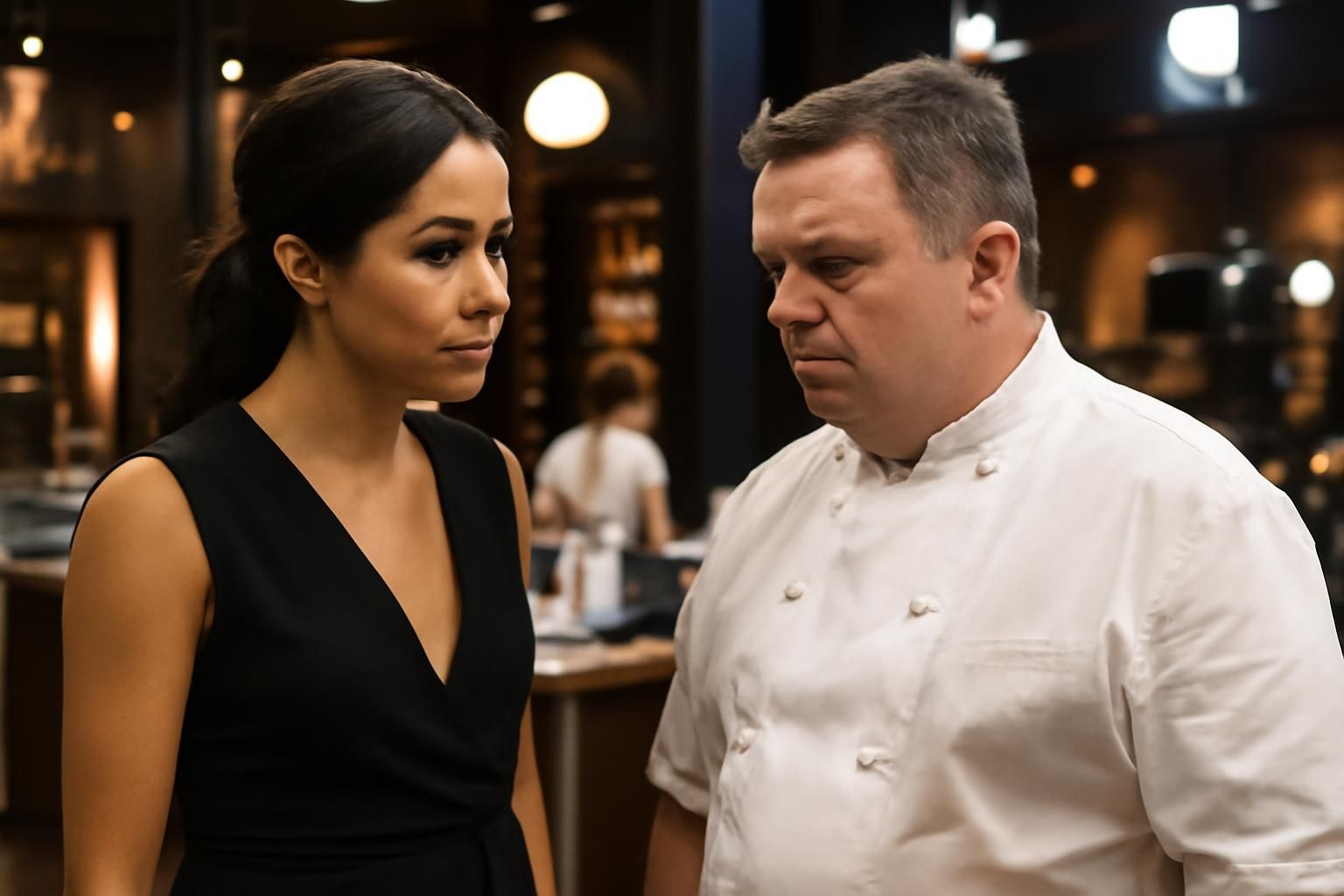
Meghan Markle’s guest appearance on “MasterChef Australia” ignited significant buzz across the entertainment scene, combining celebrity allure with the popular reality TV cooking competition. However, this collaboration was not without its controversies, notably a delicate on-set demand that sparked unexpected disappointment from one of the show’s beloved judges. As Meghan Markle walked onto the “MasterChef Australia” stage, her request regarding the portrayal of her royal status set off a subtle but palpable tension, reflecting the complexities of blending royal protocol with reality TV dynamics. This incident, intertwined with the personal interactions between Markle and judge Poh Ling Yeow, highlights the nuanced challenges faced when celebrity culture and show business intersect.
In brief:
- Meghan Markle’s guest judge role on “MasterChef Australia” drew attention due to her request to avoid the term “royalty” during her introduction.
- Judge Poh Ling Yeow accidentally referred to Markle as “royalty,” contradicting the agreed terms, which caused disappointment on both sides.
- The mix-up was not personal but stemmed from differing expectations around royal protocol and reality TV presentation.
- Some filmed moments were cut in post-production due to personality clashes between Markle and Yeow.
- Despite controversy, sources close to Meghan affirm a good working relationship on set.
- The episode’s airing has reignited discussions on celebrity and royal involvement in entertainment programming.
Meghan Markle’s Guest Appearance and the Expectations Surrounding Royal Protocol on “MasterChef Australia”
When Meghan Markle agreed to appear as a guest judge on “MasterChef Australia,” it was perceived as a unique blend of celebrity and culinary culture, drawing viewers eager to watch the Duchess of Sussex in a new light. However, behind the scenes, strict guidelines were established regarding how Markle was to be introduced and portrayed. Markle and her team explicitly requested that the word “royalty” not be used during her introduction to avoid sensationalizing her previous royal role and to maintain a focus on the show’s culinary celebration rather than her title.
Despite these clear instructions, during filming, Poh Ling Yeow, a beloved and well-respected judge on the show, unintentionally referred to Markle as “royalty.” This happened during a promotional clip where Yeow welcomed Meghan as “MasterChef royalty” and then named her as “the Duchess of Sussex.” This phrase struck a dissonant chord, leading to immediate frustration reported by sources close to Markle. The phrase violated the delicate agreement between Markle’s camp and the production team, creating an uncomfortable moment for everyone involved.
This incident is a prime example of the intricate balance between respecting royal protocol and the spontaneity expected in reality TV settings. While “MasterChef Australia” thrives on its unscripted and lively interactions, Markle’s desire for certain formalities reflects the dual pressures she faces as both a former royal and a public figure navigating entertainment spaces. The scenario raises significant questions about how celebrities linked to royalty can participate in such programs without compromising their personal boundaries or public image.
The dynamics on the set placed Yeow in an unfortunate position. She did not intend to breach etiquette but was caught between the show’s warm hospitality and the precise expectations of her guest. Sources reveal that Yeow felt particularly “upset” by the repercussions of her remark, finding herself drawn unintentionally into an issue of royal protocol that goes beyond her usual judge responsibilities. Her dilemma portrays the complexity faced by entertainment professionals when intersecting with celebrity demands, especially involving figures like Meghan Markle whose history amplifies public scrutiny.
Insights on Managing Celebrity Participation in Reality TV Shows
Managing celebrity appearances on reality TV programs requires clear communication and understanding of boundaries from all parties involved. Markle’s situation exemplifies the challenges when such boundaries clash with the energetic and informal environment typical of reality competitions like “MasterChef Australia.” The incident illustrates how a single word, such as “royalty,” can become a focal point of tension, disrupting the flow of filming and affecting interpersonal dynamics on set.
This underscores the importance of production teams establishing robust protocols and briefing judges and hosts thoroughly about guests’ expectations. The delicate equilibrium involves balancing the show’s entertainment value and the guest’s personal and professional requirements. Celebrities, especially those with high-profile backgrounds like Markle, often approach such appearances with caution, wary of overexposure or misrepresentation. Reality shows must weigh the benefits of star power against the risk of potential conflicts impacting the atmosphere and viewer reception.
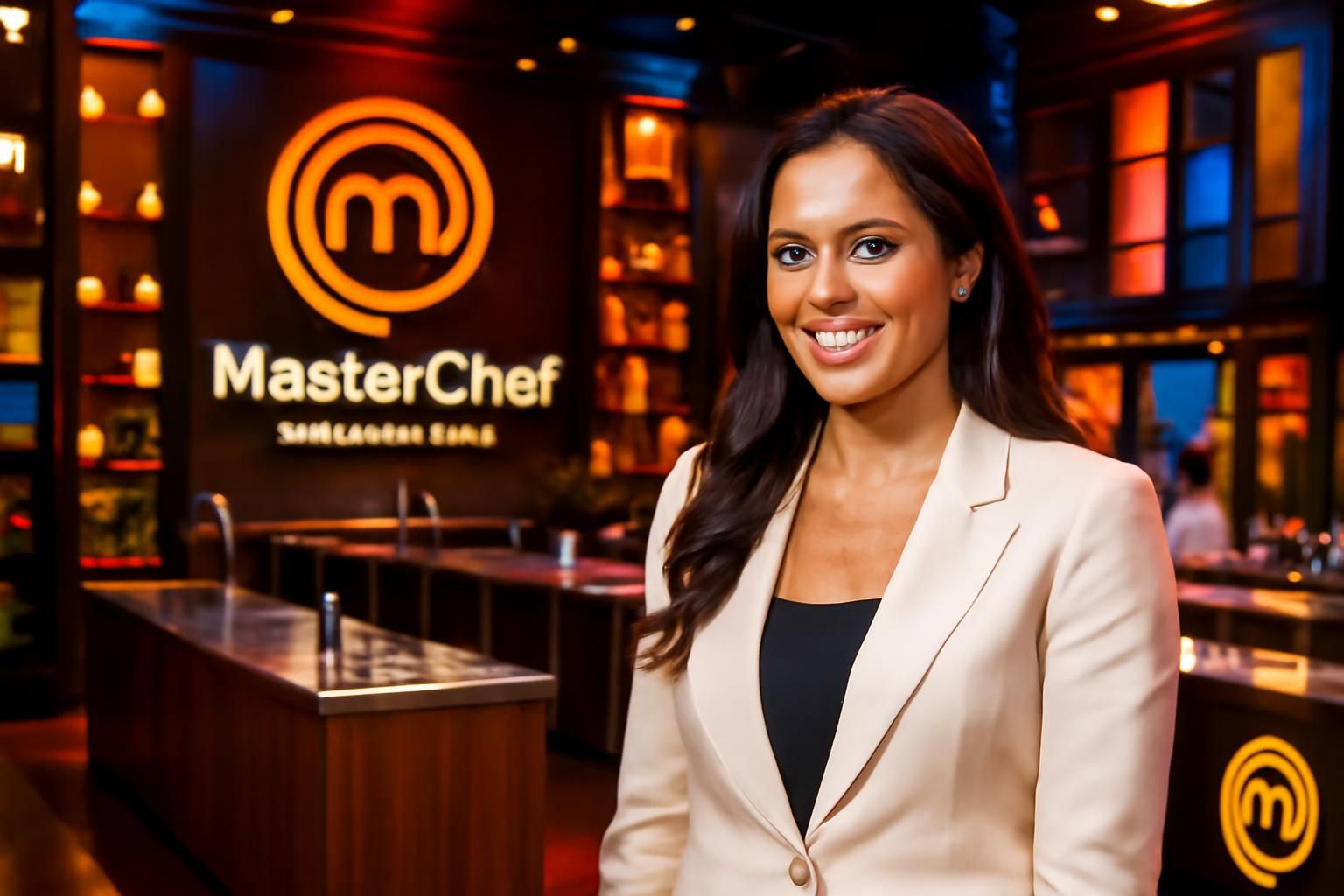
Judge Poh Ling Yeow’s Role and Reaction to Meghan Markle’s On-Set Demand
Poh Ling Yeow, a well-known chef and one of the original judges on “MasterChef Australia,” holds a beloved status among fans for her warm personality and culinary expertise. When Markle appeared on the show, Yeow’s enthusiasm to welcome the Duchess was genuine and apparent. However, Yeow’s accidental use of the word “royalty” during the introduction unexpectedly placed her in a difficult position. Although it was meant to be a warm and celebratory moment, the phrase contradicted Markle’s clear request and subsequently led to a quiet yet impactful moment of tension.
According to insiders, Yeow was deeply remorseful and even considered reaching out personally to apologize for the unintentional faux pas. However, she was advised by production staff to refrain from directly contacting Markle, leaving the matter to be handled through official channels. This illustrates the sometimes rigid separation that exists between stars and crew on high-profile sets, where direct personal contact is often discouraged to maintain professionalism and prevent possible misunderstandings.
Yeow’s reaction reveals much about the professional challenges judges on reality TV face when working with distinguished guests. Her intention was never to offend but rather to celebrate Markle’s presence, reflecting her own appreciation of the guest’s stature and impact on cultural discussions. Yet, the situation highlighted how even unintended remarks could lead to significant fallout when public personas and strict guidelines are involved.
Furthermore, the incident impacted Yeow personally, as she felt “drawn into a royal protocol issue” that was beyond her control and expertise. This caused internal distress, affecting her apparent ease and spark on set. Such experiences are not uncommon in the entertainment industry, where public figures must constantly navigate expectations, respect boundaries, and maintain goodwill in high-pressure environments.
The Complex Nature of Celebrity Interactions on Reality TV Sets
Yeow’s experience provides a window into the complexities behind the scenes in celebrity-driven reality TV. Reality shows blend scripted content with spontaneous reactions, and balancing these elements while accommodating celebrity demands can be precarious. Judges and hosts must adapt quickly to guests’ preferences, often under intense scrutiny both on and off camera.
In Yeow’s case, the desire to welcome Markle warmly collided with the formal constraints requested by the Duchess, which is a common scenario when reality TV meets royalty or high-profile figures. This intersection can lead to awkward moments that must be smoothed over by production editing or later communications.
The Impact of Meghan Markle’s On-Set Demand on Filming and Editing of the Episode
The fallout from the controversy surrounding the use of “royalty” extended beyond immediate on-set emotions, influencing the editing room decisions for the MasterChef Australia episode featuring Meghan Markle. Reports indicate that several filmed moments showcasing interactions between Yeow and Markle were removed before the episode aired, suggesting that some personality differences and communication issues were deemed too sensitive or potentially disruptive for broadcast.
These edits are standard practice in reality TV, where producers aim to curate a narrative that entertains without alienating viewers or guests. In this case, the removal of certain scenes was likely an effort to maintain the episode’s positive tone and avoid exacerbating any perceived discord. The pressure to protect Markle’s image as well as the integrity of the show reflects the high stakes of integrating high-profile guests into reality programming.
This approach exemplifies a broader trend in entertainment where post-production becomes a vital tool in managing controversy and framing celebrity appearances in the most favorable light possible. Reality TV’s hybrid format, mixing real-time reactions with carefully constructed storylines, affords producers significant influence over public perception of celebrity on-screen behavior.
The incident also sparked wider discussions online, with some fans defending Markle’s right to control her image, while others criticized the perceived over-sensitivity and disruption to the show’s natural flow. This dynamic illustrates the delicate balance reality TV shows must strike between authenticity and spectacle when working with celebrities whose past and present public roles demand sensitive handling.
How Celebrity Expectations Affect Reality TV Production
When celebrities like Meghan Markle take part in reality TV, their demands often dictate production choices, including scripting, editing, and promotional strategies. This can sometimes lead to friction with existing show culture and cast. The “MasterChef Australia” scenario highlights how a single demand—avoiding use of the term “royalty”—can ripple through every phase of filming and post-production.
While these requirements might seem minor, they reflect broader concerns about personal branding and legacy, especially for individuals like Markle who have transitioned away from formal royal roles but still navigate public interest in that status. Producers must then find creative ways to deliver content that respects these boundaries without compromising viewer engagement.
Public and Media Reception of Meghan Markle’s “MasterChef Australia” Appearance
The public reception of Meghan Markle’s appearance on “MasterChef Australia” has been notably mixed, with a swirl of reactions ranging from excitement to skepticism. The guest spot itself was heavily publicized before airing, generating anticipation among fans of both Markle and the long-running cooking competition. However, once the episode’s promotional snippets surfaced, the controversy about the usage of “royalty” quickly gained widespread attention, complicating public opinion.
Viewers and media commentators engaged in debates about the appropriateness of Markle’s demands and whether they overshadowed the episode’s focus on food and entertainment. Some praised Markle for maintaining control over her image and respecting her past while embracing a new career chapter. Others saw the incident as indicative of entitlement or an over-policed public persona, sharpening cultural conversations about celebrity behavior on reality TV.
This discourse reflects how celebrity culture continually negotiates its boundaries within entertainment formats. Markle’s episode became a lightning rod for broader discussions about how former royals engage with commercial media and how reality TV can accommodate sensitive personalities without losing its edge. The moment also renewed scrutiny of “MasterChef Australia” as a platform balancing culinary competition with star-studded guest appearances.
Comparisons with Other Celebrity Reality TV Appearances
Looking at similar instances, many celebrities have faced both backlash and acclaim when appearing on reality television, particularly when their personal or professional boundaries intersect with the show’s dynamics. For example, high-profile guests on cooking shows often come equipped with specific demands about how they are presented on camera, and production teams must negotiate these to uphold the program’s tone.
In this context, Markle’s experience aligns with wider trends of celebrity reality TV participation, where the clash between authentic interactions and protective image management is frequently navigated. These situations sometimes result in creative disruptions but can also enrich the viewer experience by adding layers of real-world complexity to entertainment.
Key Takeaways on Managing On-Set Demands in Celebrity Guest Appearances
From Meghan Markle’s experience on “MasterChef Australia,” several critical lessons emerge for reality TV production and celebrities alike. Managing expectations clearly before filming begins is paramount; this ensures both guests and regular cast members understand agreed-upon parameters. Failure to do so risks misunderstandings that can negatively affect morale and final footage.
- Clear Communication: Early and open dialogue between guest’s team and showrunners to outline boundaries and preferences.
- Production Preparedness: Training and briefing hosts and judges to respect guest’s limits and avoid sensitive topics or terms.
- Editing as a Tool: Strategic post-production editing can help smooth over less favorable moments and preserve positive narratives.
- Respect and Empathy: Maintaining professional respect ensures that unforeseen slip-ups do not escalate unnecessarily.
- Guest Integration: Balancing guest star contributions with show culture to keep overall chemistry authentic and appealing.
By implementing these practices, reality TV shows can better manage the complexities of integrating high-profile personalities without compromising the appeal or integrity of the program. Meghan Markle’s on-set demand and the subsequent disappointment expressed by Judge Poh Ling Yeow illustrate how even well-intentioned actions require thoughtful navigation in celebrity entertainment contexts.
The Influence of Celebrity on Reality TV and Entertainment Culture in 2026
As reality TV continually evolves, the role of celebrity appearances remains pivotal in shaping entertainment trends. Meghan Markle’s recent “MasterChef Australia” episode exemplifies how celebrity presence can boost viewership and stimulate media conversations. Yet, as demonstrated, celebrity involvement introduces unique challenges around image control, protocol, and audience expectations.
In 2026, integrating celebrities into reality formats demands heightened sensitivity from producers, who must protect star image while maintaining authenticity for the audience. Markle’s experience symbolizes the balancing act between showcasing star power and respecting personal or historical boundaries associated with fame.
This dynamic has broader implications for entertainment culture—a shifting landscape where celebrity participation influences programming choices, marketing strategies, and viewer engagement metrics. Reality TV remains a powerful platform for storytelling, but it also mirrors societal attitudes toward fame, authenticity, and personal freedom. Therefore, understanding and managing on-set demands, such as those raised by Meghan Markle, are essential for the sustainable evolution of the genre.
The Lasting Effects on Judge Poh Ling Yeow and the MasterChef Australia Brand
Judge Poh Ling Yeow’s experience with Meghan Markle’s appearance left an imprint on her professional journey and public perception. Known for her grace and vibrant personality, Yeow handled the difficult situation with professionalism, even expressing a desire to make amends for her accidental remark. This incident underlines her commitment to respecting guests while maintaining her genuine enthusiasm for the show.
For “MasterChef Australia,” the episode served as a reminder of the delicate balancing act required when integrating high-profile guests who may come with particular sensitivities. The brand’s reputation for warmth, inclusivity, and culinary excellence might face challenges in moments like these, prompting producers to enhance protocols around celebrity participation.
In response to the incident, “MasterChef Australia” is likely to adopt clearer communication policies and support systems for both the judges and guests. The goal is to prevent similar disappointments and preserve the collaborative, celebratory atmosphere that has made the show a staple of Australian entertainment.
| Aspect | Impact on Judge Poh Ling Yeow | Impact on MasterChef Australia Brand |
|---|---|---|
| Professional Reputation | Maintained professionalism despite the mistake | Reaffirmed as a hospitable show welcoming star guests |
| Emotional Response | Felt upset but willing to apologize | Faced scrutiny over handling celebrity issues |
| Production Adjustments | Discouraged from direct apology contact | More cautious about guest relations and scripting |
| Fan and Media Reaction | Support from fans empathizing with Yeow | Mixed reactions highlighting show’s challenge with celebrity guests |
Future Outlook: Navigating Celebrity Demands in Reality TV
Looking ahead, the entertainment industry is expected to refine how it manages celebrity participation in reality programs. Meghan Markle’s “MasterChef Australia” experience will likely serve as a case study for producers aiming to strike a balance between star power and show integrity. Embracing clearer protocols, respectful communication, and editing solutions will be key.
For celebrities, understanding the informal yet demanding nature of reality TV sets is essential to prevent misunderstandings. Establishing trust and open communication with producers can help ensure a smooth, mutually beneficial collaboration. As reality television continues to evolve in 2026 and beyond, lessons from high-profile incidents like this will shape best practices across the industry.
Why was Meghan Markle upset about being called ‘royalty’ on MasterChef Australia?
Meghan Markle requested that producers avoid using the word ‘royalty’ during her introduction to prevent undue emphasis on her former royal status. Judge Poh Ling Yeow’s accidental use of the term contradicted this request, leading to reported frustration.
Did Poh Ling Yeow apologize to Meghan Markle for the on-set mistake?
Poh Ling Yeow wished to apologize personally but was advised by production to leave the matter to official handling, so no direct apology was made.
Were any parts of Meghan Markle’s MasterChef episode edited out?
Yes, several filmed moments highlighting personality clashes and awkward interactions between Markle and Yeow were removed before airing to maintain a positive episode tone.
How did the public react to Meghan Markle’s MasterChef Australia appearance?
Public reaction was mixed, with some viewers supporting Markle’s image control while others criticized the perceived disruption to the show’s natural flow.
What lessons can other reality shows learn from this incident?
Clear communication of guest expectations, thorough briefing of hosts and judges, respectful handling of celebrity demands, and strategic editing are vital to managing potential conflicts on set.