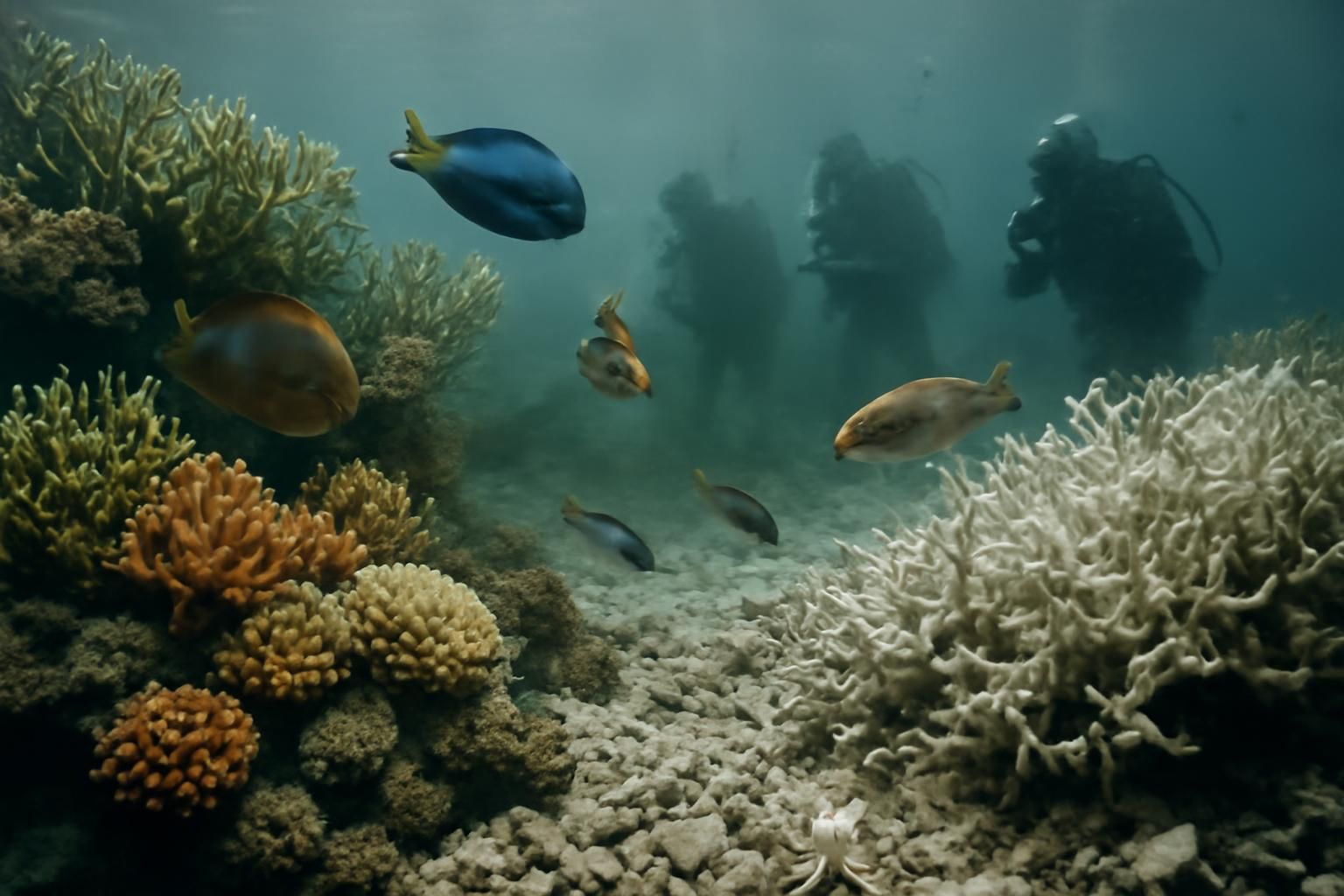
In 2026, alarming signals about the health of the Great Barrier Reef have intensified, sparking urgent discussions among environmentalists, marine biologists, and policy makers worldwide. This vast marine ecosystem, stretching over 2,300 kilometers along Australia’s Queensland coast, is at the forefront of a profound environmental challenge. Scientists have issued warnings that the reef faces an unprecedented risk of extreme coral bleaching and potential ecosystem collapse, largely driven by an exceptionally strong El Niño weather pattern combined with escalating climate change effects.
Widely recognized as the planet’s largest living structure and home to over 600 coral species and around 1,625 fish species, the Great Barrier Reef’s decline holds far-reaching consequences for biodiversity and marine life. Its survival is not only crucial for ecological balance but also directly impacts the Australian economy, particularly tourism and fishing industries. Recent studies published at global symposia and documented by organizations such as UNESCO highlight that despite ongoing conservation efforts, the reef has encountered six major bleaching events in the past decade, signaling distress signals that are becoming increasingly difficult to reverse.
Key highlights to understand the current crisis:
- Scientists warn that the 2026 El Niño could trigger the most severe coral bleaching event to date.
- The reef’s ecosystem collapse would threaten hundreds of marine species and disrupt regional economies.
- Mass coral bleaching events have become more frequent and intense since 2016.
- Climate change and local environmental threats such as coastal development and run-off are compounding pressures on marine life.
- Conservation experts stress the urgent need for robust global and local actions to mitigate damage.
Understanding How Climate Change and El Niño Threaten the Great Barrier Reef’s Marine Ecosystem
The Great Barrier Reef’s vulnerability is significantly heightened by climate change, with rising sea surface temperatures being the primary driver of widespread coral bleaching. When corals experience prolonged thermal stress, they expel the symbiotic algae living within their tissues—these algae provide corals with nutrients and vibrant colors. The result is coral bleaching, a visible whitening that severely diminishes coral health and reproductive capacity.
In 2026, the El Niño weather phenomenon emerged as a potent catalyst exacerbating already elevated ocean temperatures across the Pacific region. This natural climate cycle, characterized by periodic warming of the central and eastern equatorial Pacific waters, disrupts wind and rainfall patterns globally. Marine ecologist Morgan Pratchett cautions that this year’s El Niño is possibly the strongest on record, making “large-scale mass bleaching” highly likely. The cumulative effect of El Niño and anthropogenic climate change is driving stress beyond the reef’s resilience threshold.
Furthermore, ocean acidification caused by increased carbon dioxide levels lowers the capacity of corals to calcify, threatening their skeletal growth and structural strength. Combined with thermal stress, this creates a perfect storm jeopardizing the reef’s biodiversity. The destruction of coral habitats impacts fish populations, marine mammals, and overall food webs. Marine ecosystems that depend on the reef for shelter and food are destabilized, with some species potentially facing localized extinction.
Examples from 2024 to 2025 highlight that hard coral cover declined precipitously during the period due to record marine heatwaves. Such events not only affect coral cover but also diminish genetic diversity necessary to adapt to changing environments. Without intervention, the cycle of bleaching and mortality could lead to permanent degradation.
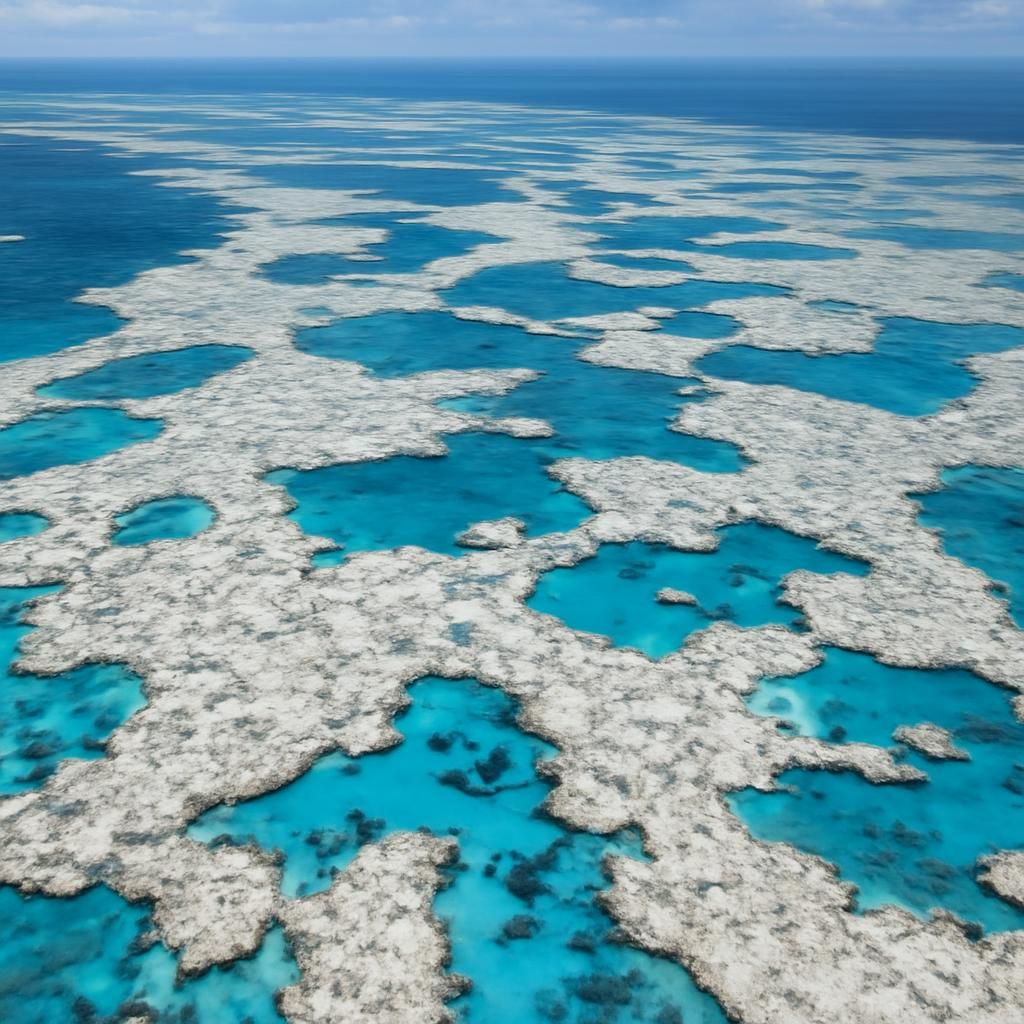
The role of El Niño and its unprecedented strength in 2026
Among the natural variables influencing marine environments, the 2026 El Niño stands out due to its historic intensity. This phenomenon, manifesting as a warming anomaly in the Pacific Ocean, alters global weather patterns creating droughts, floods, and increased ocean temperatures in critical reef areas. The direct correlation between El Niño occurrences and mass coral bleaching has been well-documented, with this year expected to push the reef past a critical tipping point.
The interconnectedness of climate systems reflects how regional environmental threats escalate when compounded by global changes. For instance, altered rainfall patterns lead to increased terrestrial run-off laden with pollutants and sediments entering marine waters. This runoff further stresses coral colonies by reducing water quality and blocking sunlight necessary for photosynthesis.
As the prognosis worsens, conservationists emphasize integrating climate adaptation into reef management strategies. These could include protecting refugia — areas with lower warming rates — and improving local water quality through stricter regulations on coastal development. Pratchett’s comments at the International Coral Reef Symposium resonate as a clarion call for immediate action.
Exploring the Ecological and Economic Impact of a Potential Great Barrier Reef Collapse
The potential collapse of the Great Barrier Reef’s ecosystem carries ramifications that extend far beyond coral mortality. Ecologically, it dismantles a complex network of marine life, resulting in biodiversity loss and altered ecosystem services that millions depend upon. Economically, this scenario threatens sectors closely knit with reef health, including tourism, fisheries, and coastal protection.
Corals and their associated organisms form the backbone of the reef’s marine ecosystem. This structure supports diverse species, ranging from colorful reef fish to larger predators and migratory species. With coral mortality accelerating, fish populations decline, impacting species that rely on the reef both for spawning grounds and nourishment. The cascading effect potentially rewires the ecological equilibrium, causing unknown shifts in species composition.
From an economic perspective, the Great Barrier Reef contributes billions annually to Australia’s economy. Tourism alone generates substantial revenue as millions visit to experience the reef’s beauty and biodiversity. A degraded reef diminishes tourist appeal while affecting related businesses, including hotels, tour operators, and local communities. Fisheries depending on reef species face resource depletion, threatening livelihoods and food security.
Additionally, the reef acts as a natural barrier against storm surges and coastal erosion, protecting human settlements and infrastructure. Its destruction would leave the coast more vulnerable to extreme weather events exacerbated by climate change.
Case studies from similar reef systems illustrate that ecological collapse disrupts socio-economic fabric profoundly. For instance, regional fisheries have witnessed diminished catches in the Caribbean and Indian Ocean due to coral bleaching linked to climate change. Australian authorities and international bodies stress that preventing similar outcomes requires proactive conservation and sustainable resource management.
The interaction between environmental health and economic stability emphasizes why addressing the reef’s decline remains a global priority.
Long-Term Conservation Strategies Focused on Mitigating Environmental Threats
Strategies to conserve the Great Barrier Reef emphasize both mitigation of current threats and adaptation to future environmental changes. Marine conservation efforts involve protecting vulnerable coral species and restoring degraded reef sections using innovative techniques such as coral gardening and assisted evolution.
Government agencies, research institutions such as Queensland’s James Cook University, and international organizations are collaborating to implement policies that reduce greenhouse gas emissions and manage local stressors like pollution, invasive species, and unsustainable fishing. Restoration projects often involve selective breeding of heat-tolerant corals designed to better withstand thermal stress.
Reducing land-based run-off is crucial, achieved through improved agricultural practices and coastal development controls. The Crown of Thorns starfish, a coral predator, also requires population management via manual removal programs and biological controls to alleviate predation pressures.
One promising concept is establishing marine protected areas (MPAs) that limit human interference, allowing ecosystems to recover naturally. These zones are monitored with advanced satellite technologies and coral health assessment tools.
Incorporating climate forecasts into reef management plans helps anticipate bleaching events and prepare response measures. Public engagement and community-led conservation initiatives empower local stewardship, creating resilience to change.
Conservation is a multifaceted challenge demanding concerted efforts worldwide, illustrating the importance of integrated environmental policy tied with scientific research for sustaining marine biodiversity. Exploring effective coral reef conservation practices provides invaluable insights into methods proven successful in diverse contexts.
Scientific Research and Monitoring: Key to Understanding Environmental Changes Impacting Coral Bleaching
Comprehensive scientific monitoring of the Great Barrier Reef informs how bleaching events develop, how ecosystems respond, and what interventions are most effective. Since UNESCO started yearly reef assessments in 2021, data collection has revealed alarming trends but also identified potential management pathways.
Researchers employ remote sensing technology, underwater drones, and advanced genetic analysis to evaluate coral health and biodiversity changes with unprecedented detail. This technological advancement allows the tracking of temperature anomalies, water chemistry, and species shifts in near real-time.
Longitudinal studies measuring coral cover reduction, recruitment success, and bleaching severity offer critical datasets supporting models that predict future reef state under varying climate scenarios. Marine ecologist Ove Hoegh-Guldberg articulates that these insights are vital in communicating the urgency of the situation and influencing policy decisions.
Scientific findings have brought attention to phenomena like the Crown of Thorns starfish outbreaks and the subtle ways pollution from coastal urbanization degrades reef water quality. These factors synergize with global warming, intensifying coral vulnerability.
Collaborative international research networks facilitate information exchange and coordinate conservation technology development. Community science projects also contribute by engaging divers and tourists to report reef conditions, expanding monitoring coverage cost-effectively.
The refinement of predictive models incorporating ongoing environmental variables enables adaptive management, crucial for quick response during severe bleaching episodes. These efforts underscore the necessity to base conservation strategies on robust, empirical understanding.
Technological advancements aiding reef preservation
Innovations include coral cryopreservation techniques, genetic editing to enhance thermal tolerance, and remote sensing platforms equipped with AI for anomaly detection. These offer hope but also highlight the scale of investment required to preserve such a vast ecosystem.
Major Environmental Threats Beyond Climate Change Impacting Reef Biodiversity
While climate change stands as the most significant factor threatening the Great Barrier Reef, additional environmental pressures compound the risk profile for this unique marine ecosystem. Coastal development, agricultural run-off, pollution, and invasive species all contribute to the reef’s ongoing degradation.
Sediment and nutrient run-off from agriculture and urban areas increase turbidity and fuel algal blooms that compete with corals for space and resources. This process limits coral recruitment and slows recovery from bleaching events. Furthermore, chemical pollutants found in pesticides and herbicides affect coral physiology and reproduction, impairing resilience.
Urban expansion along Queensland’s coast increases physical disturbances and habitat fragmentation. Infrastructure development alters natural water flows and reduces areas available for critical mangrove and seagrass beds, which serve as nurseries for young reef fish.
Invasive species, particularly the Crown of Thorns starfish, are a notable threat, as these starfish consume vast quantities of coral tissue. Outbreaks have been linked to imbalances caused by overfishing of starfish predators and changes in nutrient inputs leading to population explosions. Continuous management is required to prevent these outbreaks from decimating coral populations.
Mitigating these non-climate threats involves cross-sector collaboration between environmental authorities, farmers, local communities, and industries. Implementing stringent regulations on pollutant discharges and promoting sustainable land management can reduce the burden on the reef.
Addressing the reef’s multifaceted environmental threats holistically is imperative to bolster its capacity to withstand the escalating impacts of global warming.
Community and Indigenous Engagement in Reef Conservation Efforts
Social dimensions play a pivotal role in the Great Barrier Reef’s conservation. Indigenous custodians and local communities possess profound traditional knowledge and a vested interest in maintaining reef health. Their collaborative involvement enhances conservation outcomes by combining scientific expertise and cultural stewardship.
Programs involving Indigenous ranger groups manage protected areas, conduct monitoring activities, and restore degraded habitats using traditional ecological knowledge. These efforts reinforce the reef’s resilience, linking biodiversity protection with cultural heritage preservation.
Public awareness campaigns highlight the reef’s vulnerability and encourage responsible tourism, reducing human-induced stressors such as anchor damage and littering. Educational initiatives within schools foster future generations’ commitment to marine conservation.
Community science projects empower volunteers to collect data and support reef recovery projects. These grassroots mobilizations create social buy-in and generate momentum for policy reform.
Engagement efforts emphasize the reef as a shared global treasure, underscoring that everyone can contribute towards safeguarding its future through actions like reducing carbon footprints and supporting sustainable seafood.
Policy Challenges and International Cooperation Addressing the Great Barrier Reef Crisis
Despite extensive scientific warnings and growing evidence of decline, effective policy responses have lagged, complicating efforts to safeguard the Great Barrier Reef. The challenge lies in balancing economic development with environmental sustainability while adapting to rapidly shifting climate realities.
Australian federal and state governments face criticism for insufficient legislation to curb greenhouse gas emissions and regulate coastal land use. The reef’s delicate state requires integrated policies that combine climate action with local conservation measures.
International frameworks like UNESCO’s World Heritage Committee monitor reef status and support global cooperation to protect it as a heritage site of universal value. Australia’s engagement with multilateral environmental agreements is crucial to mobilizing resources and expertise.
In the context of El Niño-driven bleaching threats and accelerating climate change, adaptive management strategies incorporating real-time scientific data and flexible regulatory systems are needed. Governments must invest in research, reef restoration, and community resilience programs.
International collaboration also extends to data sharing, funding mechanisms, and capacity building for reef protection. Strengthening these partnerships is vital because climate change is a global phenomenon demanding coordinated responses.
| Policy Area | Current Challenges | Needed Improvements |
|---|---|---|
| Greenhouse Gas Emission Reduction | Slow legislative progress and conflicting economic interests | Ambitious targets aligned with Paris Agreement goals and enforceable regulations |
| Coastal Development Regulation | Insufficient control over pollution and habitat disturbance | Stricter zoning laws and monitoring |
| Marine Protected Areas | Limited coverage and inadequate enforcement | Expansion of protected zones with community involvement |
Scientific Warning as a Call to Action for Future Biodiversity Conservation
The warnings issued by scientists regarding the Great Barrier Reef’s condition illustrate the critical need for heightened awareness and urgent intervention. The potential for ecosystem collapse underscores the fragile balance between natural systems and human activity.
By acknowledging the interconnected threats of climate change, El Niño, coastal pressures, and pollutant runoff, marine conservation becomes a focal point for ensuring the reef’s survival. The reef serves as a vital indicator of ocean health and a symbol of global environmental stewardship.
The current scenario demands a united front of stakeholders: researchers, policymakers, Indigenous custodians, communities, and the global public to implement innovative, evidence-based conservation methods. Science-based warnings are not merely diagnostics but invitations to mobilize action.
Failing to act risks irrevocable loss of one of the richest marine biodiversity reservoirs, with negative implications for ecosystems and human societies worldwide. Protecting the Great Barrier Reef aligns with broader goals of sustainable development and environmental justice.
For further detailed analysis and strategies, readers can consult recent conservation research and policy discussions that offer comprehensive insights into reef survival pathways.
What causes coral bleaching in the Great Barrier Reef?
Coral bleaching occurs primarily due to prolonged exposure to elevated sea surface temperatures, often intensified by climate phenomena like El Niño, which stress corals causing them to expel their symbiotic algae.
How does the El Niño phenomenon specifically affect the reef?
The El Niño phenomenon raises water temperatures in the Pacific and alters weather patterns, leading to thermal stress on coral reefs, resulting in mass bleaching events.
What are the main conservation efforts underway to protect the reef?
Current conservation efforts include coral restoration projects, managing Crown of Thorns starfish outbreaks, establishing marine protected areas, reducing land-based pollution, and promoting sustainable fisheries management.
Why is the potential collapse of the reef alarming for biodiversity?
The reef supports a vast array of marine species; its collapse would mean the loss of habitat, food sources, and breeding grounds, threatening local extinctions and disrupting the entire marine ecosystem.
How can individuals contribute to reef conservation?
Individuals can contribute by reducing their carbon footprint, supporting sustainable seafood choices, engaging in education and advocacy campaigns, and practicing responsible tourism and water use.