
Living next to a dog that won’t stop barking can be a source of constant irritation and distress. The incessant noise might disrupt your sleep, break your concentration, or spoil your peaceful enjoyment of your home. With more communities emphasizing harmony and respect for neighbors, understanding how to navigate a noise complaint involving a barking dog is vital. This comprehensive guide delves into strategic steps to resolve such a neighbor dispute, focusing on the legal frameworks, communication techniques, and complaint processes that truly work. Whether your aim is to maintain community goodwill or to enforce local noise regulations, this article unpacks the most effective approaches to tackling a barking dog nuisance.
In Brief:
- Understanding local noise ordinances and nuisance laws is crucial for addressing barking dog complaints effectively.
- Documenting instances of barking with detailed logs and recordings strengthens your position in complaint procedures.
- Direct communication with the dog owner often resolves issues without escalating to formal complaints.
- Animal control agencies play a pivotal role in enforcing pet nuisance policies and providing conflict resolution.
- Legal options like small claims court or injunctions are available when all other complaint processes fail.
Local Ordinances and Noise Regulations: Legal Foundations for Addressing Barking Dogs
Understanding the legal background surrounding barking dog complaints is essential before taking any further actions. Most communities enforce noise ordinances that regulate acceptable noise levels during different periods of the day. These regulations often specify decibel limits or curfews, especially during nighttime hours. If a dog’s barking surpasses these allowed noise levels, it constitutes a breach of local noise ordinances.
However, even if the exact limits aren’t violated, persistent barking may qualify as a pet nuisance, legally recognized as an unreasonable interference with your right to enjoy your property. For a canine noise complaint to be considered a legal nuisance, the barking must be persistent, excessive, and significantly disruptive over time rather than isolated incidents.
Animal control departments typically enforce these rules and may investigate complaints, issue warnings, or apply sanctions against offending dog owners. Their authority sometimes extends to impounding animals if violations are severe and ongoing. Individuals looking to better understand their rights and complaint avenues may find valuable resources, such as legal guidance on managing neighbor dog barking issues, useful for navigating specific local ordinances.
Here is a table summarizing the core regulations and authorities involved in barking dog complaints:
| Regulation Type | Description | Responsible Authority | Common Actions Taken |
|---|---|---|---|
| Noise Ordinances | Limits noise levels and sets quiet hours, usually with decibel thresholds. | City or County Government | Issuing warnings, fines, or enforcement notices. |
| Pet Nuisance Laws | Defines excessive barking as a nuisance interfering with property enjoyment. | Animal Control or Local Court | Citations, injunctions, or mediation referrals. |
| Animal Control Regulations | Oversees animal welfare and enforces noise-related complaints involving pets. | Local Animal Control Agencies | Investigations, warnings, fines, and animal impoundment. |
Understanding this interplay between regulations guides homeowners on how to craft a well-supported noise complaint that respects community guidelines and the rights of pet owners alike.
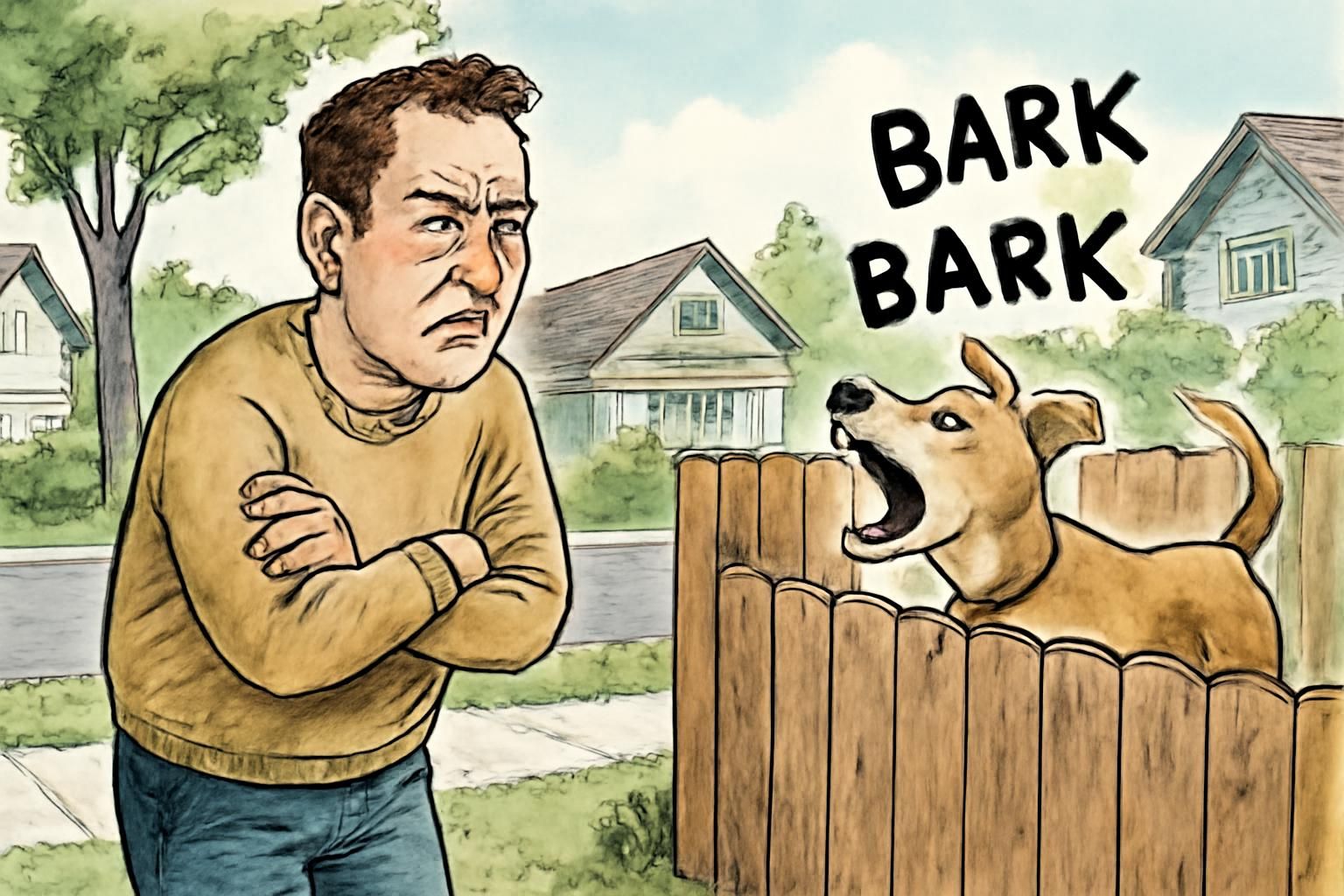
Documenting and Gathering Evidence: Building a Strong Barking Dog Complaint
A well-documented case is fundamental in any complaint process concerning a neighbor’s barking dog. Documentation transforms subjective annoyance into objective evidence, making it easier for authorities to take your concerns seriously and act accordingly.
Start by maintaining a meticulous log detailing each barking episode. Include:
- Date and time of barking.
- Duration of noise incidents.
- Intensity or loudness of the barking.
- Patterns related to triggers, such as people passing by or time-specific events.
Besides written logs, audio or video recordings can be powerful proof. Ensure recordings clearly capture the barking’s volume and length in a way that is unmistakably disruptive. They should also show the date and time to authenticate the evidence.
Another effective tactic is to collect witness statements from neighbors similarly affected. Multiple voices presenting the same issue increase credibility and exert pressure on the dog’s owner and authorities to address the problem.
Petitioning with well-prepared documentation enhances the success rate of reports filed to animal control or local enforcement. Official complaint forms, like those provided by agencies, often require this data for investigation. Templates and samples are available online to refine your letter or complaint format. For instance, plenty of formal complaint templates can be reviewed, as explained in 17 detailed barking dog complaint letter samples, to help compose an effective complaint letter.
Communication Strategies: Approaching Your Neighbor to Resolve Barking Disputes
While legal action and formal complaints are options, initiating a conversation with your neighbor is often the best first step. Inevitably, the dog owner might be unaware of the issue, especially if they are away often or unaware of the dog’s behavior in their absence.
Tips for Effective Dialogue
Approach your neighbor calmly, choosing a peaceful time to discuss the matter. Avoid confrontational language and focus on expressing how the dog’s barking affects your quality of life rather than blaming them. Propose potential solutions such as:
- Increasing the dog’s exercise or interaction time.
- Providing training or professional behavior programs for the dog.
- Keeping the dog indoors during sensitive times (early morning, late night).
- Using anti-barking devices approved by animal welfare guidelines.
If a friendly discussion doesn’t help, consider sending a polite and clear letter detailing the issue and referencing your documented evidence. Sending it via certified mail ensures you keep proof of delivery, which can be useful for subsequent legal or animal control steps.
Sometimes, a neutral third-party mediation service can facilitate a resolution in neighbor disputes, enabling better understanding and cooperation, often leading to solutions without escalating to formal complaint channels.
Involving Authorities: How Animal Control and Legal Action Can Help
When direct talks fail to resolve your dog barking complaint, it’s time to involve local authorities. Animal control agencies are the usual first contact points for enforcing noise and pet nuisance laws. Present all your documentation, including logs, witness statements, and recordings to support your case.
Animal control may inspect the situation, issue warnings, or impose fines to the dog owner. Persistent violations despite warnings may escalate to stronger enforcement actions, including animal impoundment in severe cases.
If animal control cannot or does not resolve the issue, further legal measures are available:
- Small Claims Court: You can file for damages caused by the barking nuisance. You must demonstrate that the barking has been unreasonable and caused measurable harm.
- Injunctions: Courts can order the dog owner to take specific actions to stop the noise, such as training or restricting outdoor time for the dog.
Bear in mind that lawsuits can strain neighborly relations and may involve legal fees and time commitments. Consulting specialized attorneys in animal law or nuisance complaints can clarify your chances and advise on the best approach.
For detailed legal perspectives on barking dog disputes and neighbor rights, explore trusted legal insights like those found in resources about barking dogs and neighbor legal rights.
Preventive Steps and Community Guidelines: Minimizing Future Barking Conflicts
Long-term harmony in neighborhoods often depends on proactive measures. If you are a dog owner, instituting training and routines that minimize barking will help prevent complaints. For residents moving into a new area, inquiring about past issues related to barking dogs can save future headaches.
Homeowners Associations (HOAs) often implement community rules restricting excessive noise and specifying pet ownership responsibilities. Familiarizing yourself with these guidelines can provide additional avenues for resolving conflicts within community frameworks.
Tenants experiencing barking issues should review their lease agreement’s clauses on noise and peaceful enjoyment and communicate with landlords to address violations by nearby residents. Landlords often have a vested interest in maintaining peaceful premises and can act against disruptive tenants.
Keeping an open mind and fostering neighborly communication can resolve many issues before they necessitate formal actions. Combining awareness of local laws with respect for communal living helps build neighborhoods where people and pets coexist peacefully.
Here is a checklist for effective conflict prevention regarding barking dogs:
- Understand and comply with local noise ordinances and HOA pet rules.
- Provide adequate training and attention to your dog to reduce barking.
- Maintain open communication channels with neighbors about pet-related concerns.
- Document any incidents early and maintain good records.
- Engage professional mediation services before escalating disputes.
What legal definitions apply to ‘excessive dog barking’?
Excessive dog barking is legally viewed as continuous or repeated noise that disrupts the peace of reasonable persons. Factors such as barking frequency, duration, time of day, and context determine if it is excessive under local noise ordinances or nuisance laws. Documentation and evidence help establish this legally.
How should I approach my neighbor if their dog’s barking disturbs me?
Calmly and respectfully approach your neighbor, expressing how the barking affects you personally and suggesting practical solutions. Avoid confrontational language to encourage cooperation. If direct conversation is ineffective, consider drafting a polite letter detailing your concerns.
What evidence is needed when filing a barking dog complaint?
You should provide a detailed barking log with dates, times, durations, and patterns plus audio or video recordings of the barking. Written statements from other affected neighbors strengthen your complaint. All evidence should be objective, clear, and as comprehensive as possible.
Can I sue my neighbor over their dog’s barking?
Yes, by filing a private nuisance lawsuit, if you can prove the barking is unreasonable and substantially interferes with your property use. This requires strong evidence and may involve legal costs. Seeking advice from an attorney specialized in nuisance or animal law is advisable before proceeding.
What role does animal control have in barking complaints?
Animal control agencies investigate noise complaints related to pets, enforce local noise and nuisance laws, and can issue fines or warnings to dog owners. They may also provide mediation services or escalate cases to court if necessary.