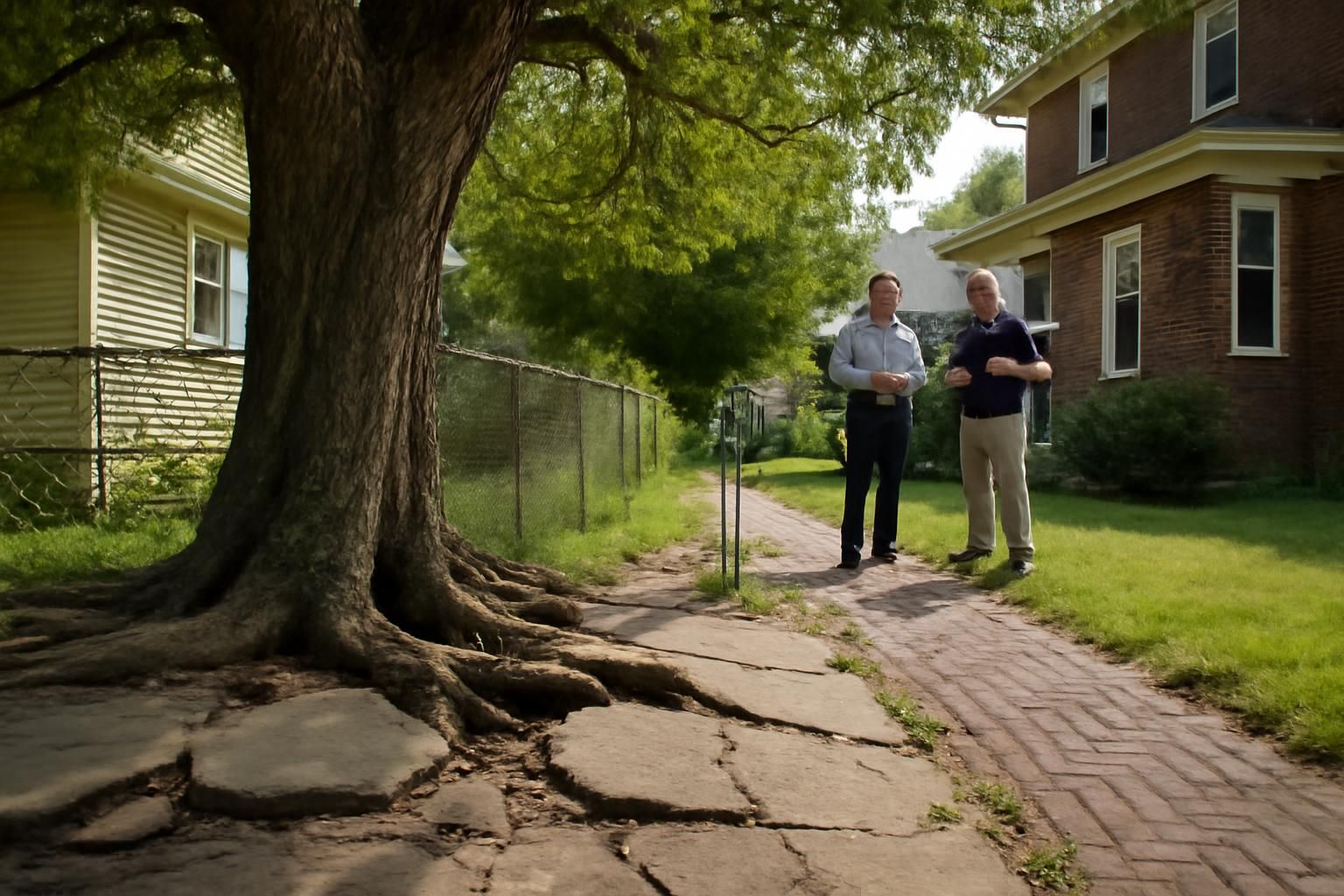
Tree disputes with neighbors have become increasingly common as urban and suburban areas continue to grow, bringing homeowners into closer contact with one another. Trees are highly valued for the shade they provide, their enhancement to property aesthetics, and the privacy they offer. However, those same trees can become a source of tension when branches stretch across property lines or roots invade neighboring land, sparking conflicts over maintenance responsibilities and property boundaries. These disputes often escalate beyond mere inconvenience, involving complex legal issues tied to land ownership and the duty to prevent damage. Whether the matter is overhanging branches dropping debris or root systems causing structural harm, understanding the interplay of environmental concerns, legal rights, and neighborly cooperation is essential in resolving these conflicts in 2026 and beyond.
In brief, the key points to grasp about tree disputes with neighbors include:
- Overhanging branches can be trimmed by the affected property owner but only from their property, avoiding trespass onto neighboring land.
- Root damage can be more complicated and costly to address, often requiring professional assessment and negotiation.
- Property boundaries play a crucial role in defining rights and responsibilities regarding tree growth and maintenance.
- Effective communication between neighbors is often the best defense against escalating conflicts over trees.
- Legal remedies such as injunctions or claims for damages are available but usually reserved when amicable resolution fails.
Understanding Legal Rights and Responsibilities in Tree Disputes With Neighbours
Property ownership includes rights not only to the land itself but also to the airspace above it, which encompasses control over what can intrude onto your property, such as overhanging branches and roots. However, these rights come with nuanced limitations based on local laws and customs that define what actions can be taken when your neighbor’s tree encroaches. For example, in many jurisdictions, while you have the right to trim branches extending over your property line, you must do so without trespassing onto your neighbor’s land. This principle emphasizes self-help that protects landowners yet respects the property rights of others.
The complexity escalates when dealing with tree roots that cross property boundaries. Unlike branches, roots can extend underground and cause damage that is harder to detect and more expensive to remedy. Root encroachment can lead to cracked foundations, damaged sidewalks, clogged drainage systems, and even harm to underground utilities. Establishing the presence of root damage often requires an expert arborist or structural engineer to document the harm and identify the source. Only then can a formal request to the neighbor for removal or remediation be made, potentially leading to legal actions if the neighbor refuses cooperation.
Resolving neighbour conflicts over trees demands balancing the benefits tree owners enjoy against the negative impacts on adjacent properties. Most jurisdictions expect tree owners to maintain their trees responsibly and prevent harm due to neglect or dangerous conditions. For instance, a dead or dying tree that threatens property safety may need urgent action by the owner once they are notified of the hazard. Failure to act can lead to liability for any resulting damage.
In the US, a comprehensive overview explaining the rights and obligations attached to overhanging trees is available here. This resource clearly outlines how courts tend to treat such disputes primarily as private civil matters rather than criminal offenses.
Common Causes and Consequences of Overhanging Branches and Root Damage
Most tree disputes stem from natural growth patterns that disregard man-made property lines. When trees are planted close to boundaries, their canopies and root systems often extend into the neighbor’s land. Natural growth can be unpredictable, and without regular tree maintenance, minor encroachments can become major sources of conflict.
Overhanging branches pose multiple problems besides mere inconvenience. Falling leaves and twigs can clog gutters, damage roof tiles, or increase fire risks in dry conditions. Branches rubbing against buildings can scratch paint or windows, and their shade can deprive gardens or solar panels of sunlight, fueling disputes around air and light deprivation.
Root damage often manifests more subtly but can be considerably more destructive. Roots growing beneath a neighbor’s property may lift patios, compromise plumbing, or crack foundations. Such damage can reduce property values and necessitate expensive repairs. Additionally, roots can compete for water and nutrients, affecting the health of other plants and trees nearby.
These issues often exacerbate privacy concerns, with trees providing natural screens that, if poorly maintained, either reveal unwanted views or fail to shield properties adequately. For many neighborhoods, the mental peace derived from well-maintained trees supplements the tangible value they add, making disputes over poorly managed trees emotionally charged.
Below is a summary of common issues caused by overhanging branches and tree roots:
| Issue | Impact | Potential Remedies |
|---|---|---|
| Overhanging Branches | Damage to gutters, roofs; shading gardens; debris accumulation | Trimming from your property; requesting neighbor action if danger exists |
| Root Encroachment | Structural damage underground; drainage disruptions; landscape harm | Professional assessment; neighbor negotiation; possible legal action |
| Privacy Concerns | Loss of screening; conflict over tree height and density | Mutual pruning agreements; planting alternatives; mediation |
| Tree Health Problems | Disease spread; risk of tree falling | Arborist consultation; preventive maintenance; hazardous tree removal |
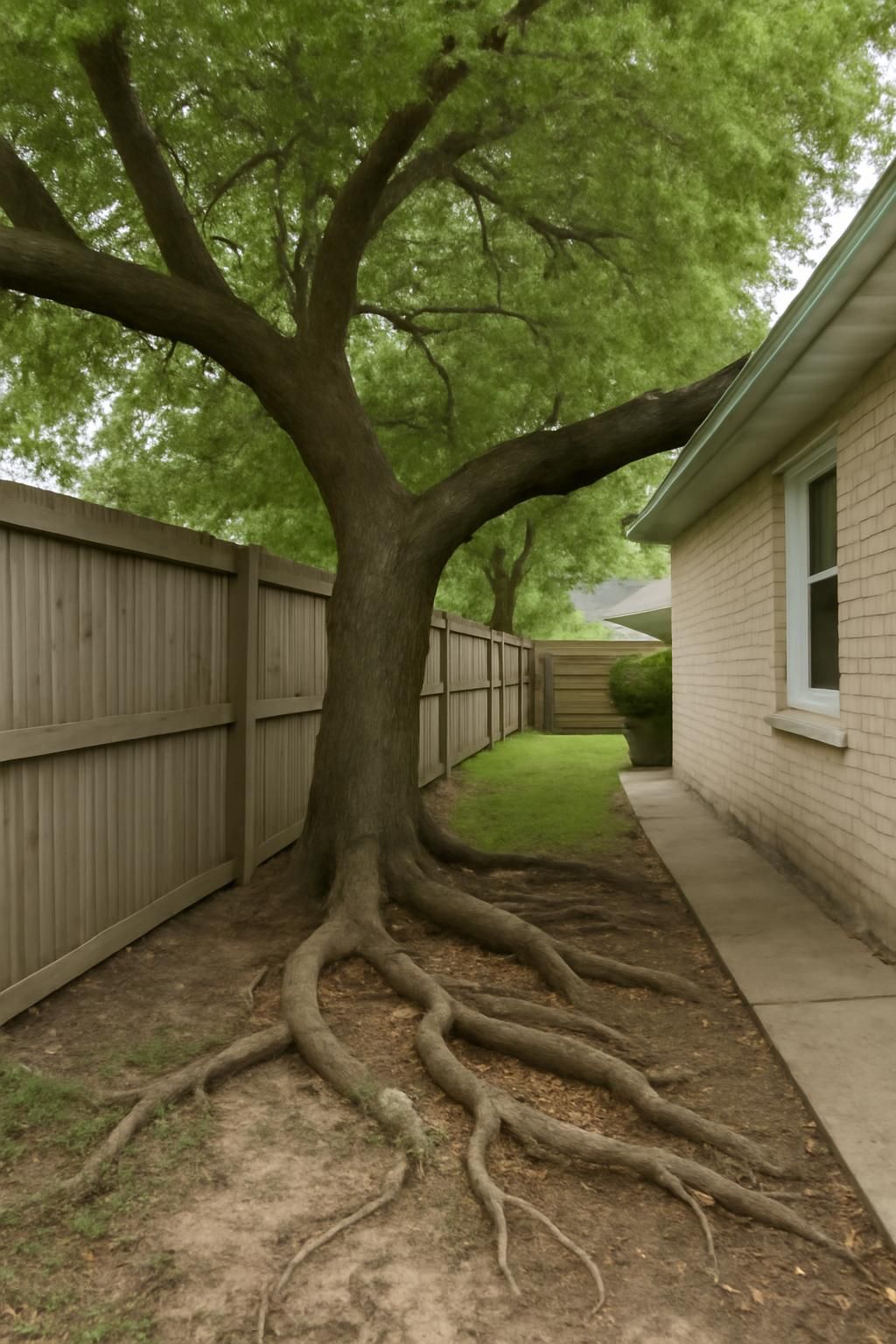
Practical Steps and Best Practices to Manage Tree Encroachment Issues With Neighbors
Addressing tree encroachment effectively involves a mixture of proactive communication, clear documentation, and adherence to legal guidelines. Successful outcomes usually stem from cooperation rather than confrontation. When you notice overhanging branches or roots damaging your property, you should begin by documenting the issue with clear photographs and notes on the timing and impact.
Reach out to your neighbor politely and informally to discuss the issue. An amicable approach could involve proposing shared solutions like hiring an arborist to evaluate the tree’s health and jointly agree on pruning or root trimming. This prevents damage while preserving the tree’s aesthetic and environmental benefits. Often, neighbors can agree on cost-sharing for maintenance, which bolsters goodwill and prevents disputes.
If informal requests fail, sending a formal written notice may be necessary. This letter should specify the nature of the problem, the harm caused, and a reasonable deadline for action. Using pre-prepared templates such as those found here can make this process straightforward.
Before any trimming, you must ensure all work complies with local municipal regulations or HOA guidelines, as some areas have strict rules about tree pruning and removal. Unauthorized trimming or root cutting can lead to legal or financial penalties, as well as further neighbor strife.
When disputes escalate, professional mediation often offers a less adversarial way to resolve issues without costly litigation. Understanding and documenting the policies and precedents from legal perspectives on tree disputes can also guide property owners toward reasonable, law-compliant solutions.
How Courts Generally Handle Tree Disputes and When to Seek Legal Recourse
Once communication and mediation options are exhausted, tree disputes may reach the courts. Legal action is typically a last resort due to the time, expense, and emotional strain involved. Courts tend to view tree conflicts as civil matters, applying principles like trespass, nuisance, or property damage to determine liability and provide remedies.
To succeed in court, homeowners must usually prove that the neighboring tree owner was aware or should have been aware of the encroachment and that it caused or posed a reasonable risk of damage to their property. Trimming rights alone don’t justify unprovoked harm; damage must be evident or imminent.
Legal remedies can include injunctions ordering the tree owner to prune or remove encroaching branches or roots, damages for repair costs, or orders to prevent future interference with property boundaries. Courts weigh evidence such as photographs, expert testimony, maintenance history, and neighbor communication records to reach decisions.
However, many judges encourage alternative dispute resolution methods to avoid permanent neighbor disputes. Engaging experienced property law specialists early can improve outcomes and provide clarity on state-specific rights and obligations. For detailed guidance on legal strategies and tree dispute case law, resources such as Briglia Hundley’s guide offer valuable insights.
Understanding how legal principles apply in 2026 to tree-related conflicts can empower homeowners to protect their land ownership rights while preserving neighborly harmony whenever possible.
Preventing Tree Disputes Through Maintenance, Communication, and Community Cooperation
Prevention remains the most effective way to avoid neighbour conflicts over trees. Regular tree maintenance, conducted amicably and with professional advice, helps avert the development of hazards that provoke disputes. Setting up clear pruning schedules and mutually agreed-upon boundaries can make tree ownership less contentious.
Effective communication, paired with openness to compromise, fosters cooperative relationships. Neighbors might consider joint investments in arborists to evaluate mutual tree health or share the costs of upkeep. Establishing formal agreements or memoranda of understanding can help clarify responsibilities and quell misunderstandings.
Being proactive about privacy concerns also goes a long way. For instance, planting hedge alternatives or selecting tree species known for limited growth near boundaries can preserve privacy without risking nuisance issues. In 2026, the availability of digital tools like property boundary mapping apps and virtual mediation platforms further eases peaceful resolutions.
Below is a practical checklist for neighbors aiming to prevent tree disputes:
- Conduct regular inspections of boundary trees with a professional arborist
- Discuss and agree on pruning timelines and maintenance responsibilities
- Use documented communication to confirm any agreed actions
- Respect local laws on tree care and property boundaries
- Explore mediation quickly when initial problems arise
- Consider planting privacy solutions that minimize conflict risk
Can I cut branches overhanging from my neighbor’s tree?
Generally, you are allowed to trim branches that extend over your property line, but you must do so without entering the neighbor’s property. The trimming should not damage the tree or make it unhealthy.
What should I do if my neighbor’s tree roots damage my property?
Start by documenting the damage and notifying the neighbor with a professional assessment if possible. If the neighbor refuses to act, you may need to seek legal advice on pursuing damages or injunctions.
Are there any legal consequences for removing a neighbor’s tree without permission?
Yes, unauthorized tree removal can be considered trespass or conversion, and you can seek compensation for damages, including loss of property value or the tree’s worth.
How can mediation help resolve tree disputes?
Mediation offers a neutral environment where both parties can reach mutually acceptable agreements on trimming, maintenance, or cost-sharing, often avoiding the need for costly legal battles.
When should a tree be considered dangerous and removed?
A tree becomes dangerous when it is dead, diseased, or structurally unstable, posing a risk to nearby property or persons. The owner is responsible for addressing the hazard once aware, failing which legal remedies may be pursued.