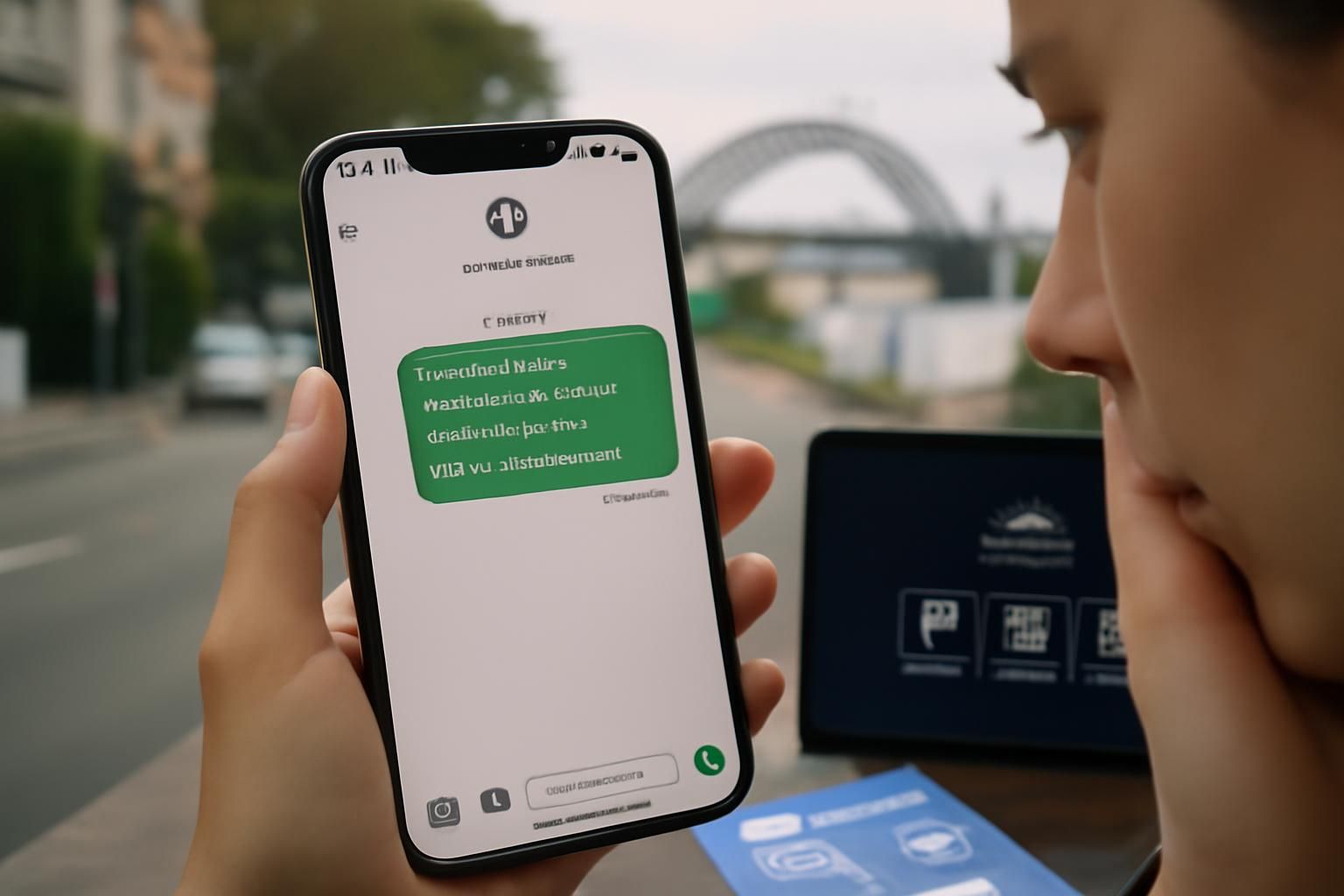
Australians are increasingly confronted with a complex web of scam text messages that exploit financial anxieties and trust in familiar brands. These fraudulent messages, often embedded with phishing links and disguised as legitimate entities such as banks or government agencies, continue to evolve in sophistication. While modern cybersecurity efforts have successfully reduced scam losses by over 25% compared to previous years, the landscape remains highly dynamic. New tactics like AI-enhanced personalization, recruitment lure scams, and platform hopping to encrypted messaging apps challenge consumers’ ability to stay safe. Understanding the latest patterns in scam text messages is vital for recognizing threats and taking immediate action if you’ve interacted with a suspicious message.
Key points to know about scam text messages in Australia:
- Scammers increasingly use AI-enabled, personalized messages that mimic known brands or trusted contacts.
- There is a surge in recruitment lure scams targeting those seeking extra income by gathering personal identification information.
- Many scams now redirect victims to encrypted messaging platforms like WhatsApp to avoid detection.
- Despite a drop in overall financial losses, reports of suspicious contacts have increased by 13%, indicating higher scam activity or awareness.
- Adopting a “trust but authenticate” mindset is essential to avoid falling victim.
Emerging Patterns in Scam Text Messages Across Australia
The scam text message landscape in Australia has witnessed remarkable shifts since the early 2020s. While traditional scams relied heavily on mass-distributed, obviously fake links urging immediate action, today’s scammers integrate technology and psychology to better deceive targets. One prevalent pattern is the incorporation of AI-driven message personalization. These messages simulate authentic regional language, customer details, or real transaction alerts, raising the bar on plausibility.
For example, instead of a generic “Your parcel delivery is pending,” victims might receive texts stating: “Hi Jane, your Australia Post parcel ID 4829 has a delivery issue, please confirm your address by clicking this link.” This kind of message employs data possibly sourced from social media or previous breaches to create trust.
The rise of recruitment lure scams deserves special attention. Disguised as job offers through SMS, these scams appeal to Australians facing economic pressures. Rather than immediately requesting payment, these messages ask for verification of identity documents under the pretense of employment eligibility checks. This subtle approach harvests sensitive personal data that can fuel identity theft and related crimes.
Another evolving trend involves scammers guiding victims away from traditional SMS platforms to over-the-top (OTT) messaging apps like WhatsApp. These applications offer end-to-end encryption, making scam detection by telecommunication providers significantly more difficult. Once contact is established on these secure channels, scammers often engage in slower, more conversational exchanges designed to build trust over time. The “low and slow” strategy contrasts sharply with the old high-pressure tactics and exploits human tendencies toward social compliance and empathy.
The statistics reported by Australian authorities highlight these challenges. While scam losses dropped by more than 25% year-over-year, suspicious contact reports have increased by 13.5%, signaling either a rise in scam activities or improved public vigilance and reporting mechanisms. This discrepancy showcases the ongoing cat-and-mouse game between scammers and cybersecurity efforts.
For comprehensive insights and updates about these evolving scam techniques, referring to trusted resources like the latest scam techniques reports by Telstra offers valuable guidance.
Understanding the Mechanics of Phishing and Fraud in SMS Scams
Phishing via SMS is a core mechanism facilitating fraud in Australia’s scam ecosystem. Unlike email phishing — often trapped by spam filters — SMS phishing (referred to as “smishing”) is harder to intercept, exploiting the inherent trust people place in text messages. These fraudulent texts typically impersonate known institutions such as banks, the Australian Taxation Office (ATO), or major retailers, containing links to convincing fake websites designed to harvest login credentials or infect devices with malware.
For example, a common scam involves messages pretending to be from the ATO, warning you about unpaid taxes or suspicious activity on your myGov account. Clicking the included link may redirect you to a fraudulent login page, where entering your details immediately compromises your identity. Some scams request immediate action, like transferring funds to supposedly secure accounts, exploiting both urgency and fear.
Malware is another serious threat connected to these scams. When scam text message links are clicked, malicious software can be installed on smartphones or other devices, enabling hackers to steal personal information, intercept communications, or install ransomware. Because mobile devices often contain sensitive banking apps, contacts, and personal data, malware infections through scam texts pose severe cybersecurity risks.
Spotting these schemes requires a keen eye for typical scam signs. According to Australian ScamWatch guidance on SMS scams, red flags include urgent demands for money, unfamiliar contact numbers, requests for personal details, or grammatical errors. However, as scammers refine their approaches, messages can now appear nearly flawless, emphasizing the need for constant vigilance.
Practices such as never clicking unknown links, verifying messages directly with the institution purportedly contacting you, and using official apps or websites are critical layers of defense. For example, many government and large organizations do not include clickable links in their SMS alerts — a simple rule of thumb.
Practical Steps to Take Immediately After Clicking a Scam Text Link
Despite best efforts, many Australians accidentally tap scam text links or share information under duress. Knowing the immediate steps to mitigate damage is vital to safeguarding your finances and identity.
First, stop all further interaction with the suspicious sender and do not disclose more personal details. Then, securely disconnect your device from the internet to prevent additional data leakage if malware is suspected.
Changing passwords linked to any accounts possibly compromised — especially banking, email, and social media accounts — should be performed from a different, uncompromised device. Enabling multifactor authentication (MFA) adds an essential security layer.
Report the incident promptly. Australian telecom provider Telstra advises users to visit their cybersecurity help page for tailored advice and reporting options. Similarly, reporting to the Australian Competition and Consumer Commission’s ScamWatch enhances investigative capabilities and public warnings.
Consider a professional security scan for malware on your device. Many antivirus and cybersecurity providers offer free or paid services to detect and remove threats. Additionally, monitoring your financial statements closely for unusual transactions can enable early fraud detection.
If financial theft occurred, immediately alert your bank or financial institution. They typically have procedures to freeze accounts or reverse fraud-related transfers if reported quickly.
- Stop interacting with the message or sender instantly.
- Disconnect device from internet if malware infection is suspected.
- Change account passwords from secure devices.
- Enable multifactor authentication where possible.
- Report scams to official bodies like Telstra and ScamWatch.
- Run malware scans using trusted security software.
- Monitor financial accounts for any suspicious activity.
- Notify banks promptly of any unauthorized transactions.
Prevention Techniques to Shield Yourself from Scam Text Messages
Prevention represents the best safety net against the risks imposed by scam text messages. Developing informed habits and utilizing available technologies can significantly reduce your chances of falling prey to phishing and fraud.
Adopt a “Trust but Authenticate” Mindset
In an environment where scam texts are increasingly convincing, rely on instinct but always double-check. If you receive an unexpected message asking for sensitive details or payments, take a moment to verify independently through official channels. This approach prevents panic-driven, rash actions that scammers count on.
Use Built-in and Third-Party Scam Filters
Many smartphones and mobile carriers now offer spam and scam detection features. Telcos like Telstra integrate AI-powered filtering systems that block millions of scam SMS monthly. Activating these features and regularly updating phone software ensures better protection against emerging threat methods.
Be Cautious with Personal Information
Limiting the sharing of personal data like your full name, birthdate, address, and financial details on public or unsecured platforms reduces the material scammers can exploit to personalize messages convincingly.
Regularly Educate Yourself and Others about Scam Awareness
Stay updated by following trusted websites like Scam Text Message Examples guides or the Australian Cyber Security Centre’s resources on spotting scams. Share knowledge with family and friends, especially vulnerable groups who may be targeted.
Use Secure Communication Platforms
Be wary of scammers encouraging you to switch communication to encrypted messaging apps. While these platforms are secure, verify the identity of contacts independently before engaging in sensitive exchanges.
| Prevention Measure | Benefit | Implementation Tip |
|---|---|---|
| Verify all SMS requests via official channels | Reduces risk of falling for phishing | Contact institution through verified phone numbers or websites |
| Use mobile carrier scam filtering | Automatically blocks millions of scam messages | Enable spam filters and update software |
| Limit sharing of personal info online | Prevents personalized scams using leaked data | Review privacy settings on social media regularly |
| Stay informed via trusted cybersecurity sources | Keeps you aware of latest scam trends | Subscribe to alerts and read official advice periodically |
How Australian Authorities and Organizations Are Fighting Back
Australia’s fight against scam text messages combines technology, policy, and public awareness campaigns. Telecommunications companies like Telstra have invested heavily in advanced filtering programs such as the Cleaner Pipes initiative, which blocks over eight million scam SMS monthly. These systems improve with real-time threat intelligence, adapting to emerging scam formats.
The National Anti-Scam Centre’s Targeting Scams report reflects the positive impact of coordinated efforts, highlighting a substantial decrease in scam-related financial losses in recent years. However, scammers remain adaptive, shifting tactics such as leveraging encrypted communication platforms to evade detection.
Government agencies also play a vital role. The Australian Competition and Consumer Commission through ScamWatch, along with the Australian Cyber Security Centre (ACSC), provides educational resources, scam reporting tools, and support for victims. Their combined efforts encourage Australians to report suspicious texts promptly, bolstering national cybersecurity resilience.
For those interested, the Scam Safe Check service in Victoria offers an accessible way to verify suspected scam messages and learn more about protection measures. These comprehensive approaches illustrate that combating scam text messages in Australia is a shared responsibility between individuals, businesses, and authorities.
What should I do if I accidentally clicked on a scam text link?
Immediately stop interacting with the message, change your passwords from a secure device, enable two-factor authentication, run a security scan, and report the incident to authorities such as Telstra or ScamWatch.
How can I recognize a scam text message?
Look for urgent requests for personal or financial information, suspicious links, messages from unknown numbers, or poor grammar and spelling errors. Verify with the official source through separate contact methods.
Are my personal details at risk if I share documents through a fake job SMS?
Yes, scammers collect identification documents for identity theft and may sell information on the dark web. Always verify job offers independently and avoid sharing sensitive documents via SMS.
What technologies are used to block scam text messages in Australia?
Telstra and other telcos use AI-powered filtering systems like the Cleaner Pipes program to block millions of scam SMS messages monthly, adapting to new scam patterns in real time.
How can I protect myself from future SMS scams?
Adopt a cautious mindset by verifying messages before responding, enable carrier spam filters, limit sharing personal data online, and stay informed through trusted cybersecurity resources.