
In the increasingly digital landscape of 2026, where countless transactions transpire every second between consumers and merchants worldwide, understanding how chargebacks operate is more vital than ever. A chargeback acts as a crucial consumer protection mechanism, effectively functioning as an “undo” button whereby banks can reverse a payment that is perceived as fraudulent, unauthorized, or problematic. This system empowers buyers who face issues ranging from undelivered goods to unauthorized charges, providing them with a formal pathway to dispute transactions through their financial institutions. However, chargebacks are not merely about recovering lost funds—they are embedded within an intricate ecosystem involving merchant rights, payment processing rules, and fraud protection strategies that collectively shape modern commerce. By delving into the nuanced mechanics of chargebacks, their distinctions from refunds, and the evolving regulatory frameworks, consumers and merchants alike can better navigate the complexities of today’s payment disputes.
For consumers contending with mysterious charges or defective products, chargebacks offer an indispensable form of financial recourse. Yet, without a solid grasp of the chargeback process, including proper dispute filing and evidence handling, both sides risk protracted conflicts and unintended financial impacts. Merchants in particular often bear significant costs beyond just the reversed transaction, including fees and reputational harm, underscoring the need for fair and informed resolutions. As banks and payment networks streamline dispute management through technological innovations and regulatory updates in 2026, understanding how chargebacks operate becomes not only a matter of protection but also of strategic financial decision-making. This article will guide readers through the multiple dimensions of chargebacks, spotlighting their role in consumer protection, transaction dispute resolution, and the broader dynamics of payment reversal.
Key insights include:
- The fundamental differences between chargebacks and refunds, highlighting the role of banks as neutral arbiters versus merchants’ voluntary action.
- The detailed dispute process from initiation to resolution, including timeline expectations and evidence requirements.
- The types of transactions and scenarios that typically qualify for chargebacks, emphasizing fraud protection and billing errors.
- An overview of cardholder protections, with distinctions between credit and debit cards’ liability limitations.
- Merchant challenges related to chargeback management and emerging tools to optimize payment processing and dispute settlements.
Understanding Chargebacks: The Gateway to Payment Reversal and Consumer Protection
A chargeback serves as a formal bank dispute process that reverses payment transactions, returning funds from a merchant’s account to the consumer’s card. This process is rooted in the landmark Fair Credit Billing Act of 1974, which laid the foundation for consumer rights in electronic transactions. It essentially creates a safety net, allowing consumers to shop with confidence, knowing that if they encounter fraud or service failures, financial institutions can intervene.
Exploring the chargeback as more than just a refund is essential. Unlike a refund, where the merchant voluntarily reimburses the consumer, a chargeback involves the cardholder’s bank acting as an advocate on the customer’s behalf, often initiating an investigation without the merchant’s prior consent. This formal dispute mechanism makes chargebacks a powerful tool but also entails stricter procedural requirements and sometimes longer resolution times.
For example, consider an online shopper who orders a high-end camera. If the package never arrives or arrives defective, and the merchant refuses to resolve the issue, the shopper can initiate a chargeback through their credit card provider. The bank then examines evidence from both the shopper and the merchant before deciding whether to reverse the payment. This transaction dispute scenario highlights how chargebacks protect consumer rights but also demand careful handling of documentation and communication.
Understanding the legal backing and financial flows behind chargebacks underscores their function as a balancing point between protecting consumers and preserving merchant rights. Today, payment processing systems integrate chargeback mechanisms within broader fraud protection software, aiming to streamline dispute resolutions while minimizing financial losses on all sides. As 2026 ushers in further digitization of commerce, this mechanism remains a cornerstone of consumer protection in payment disputes.
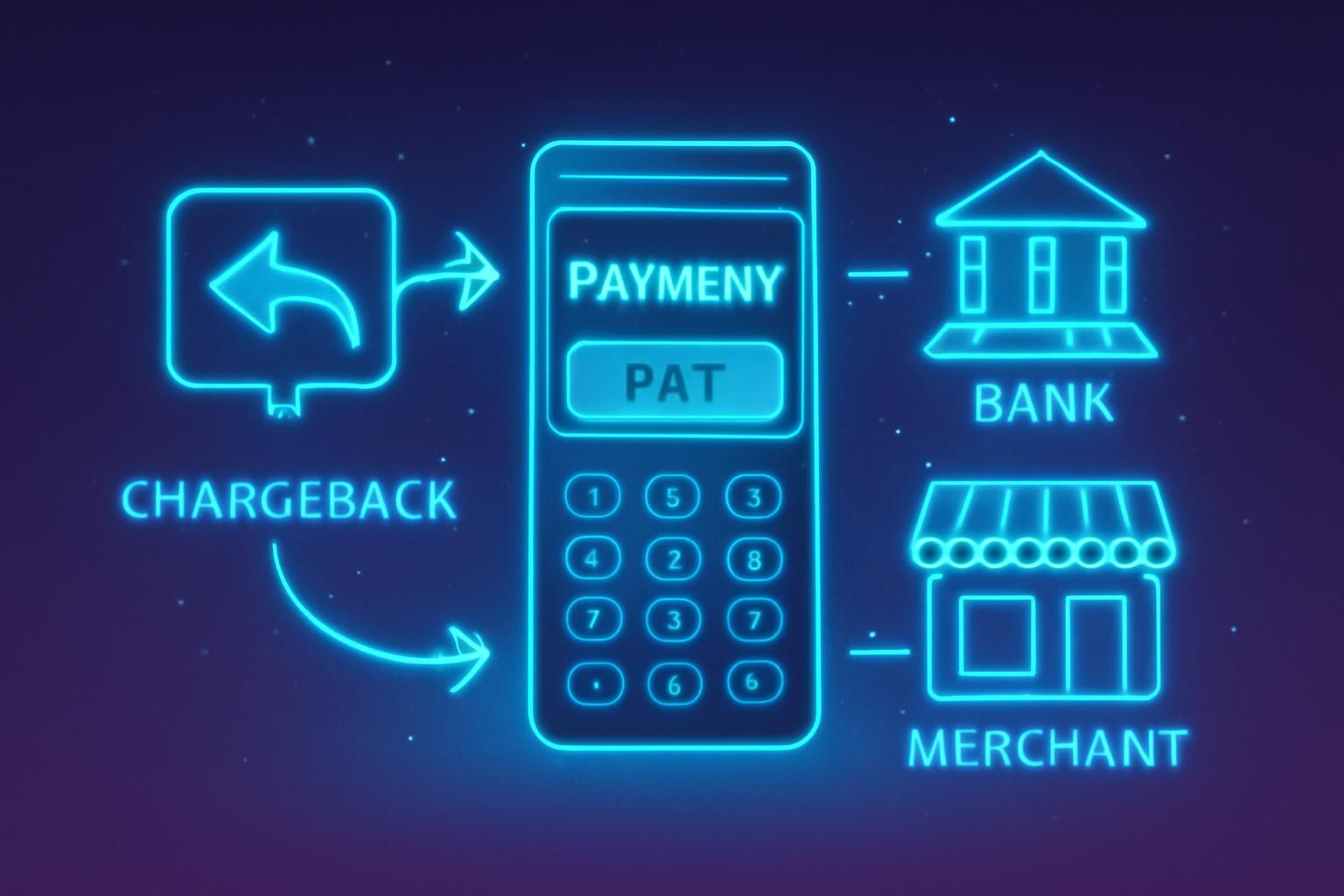
The Chargeback Process: How Banks Manage Transaction Disputes
When a consumer identifies a questionable transaction on their credit or debit card, understanding the dispute journey is critical. The chargeback process typically unfolds in several stages involving the cardholder, issuing bank, merchant, and sometimes payment networks such as Visa or Mastercard.
Initially, the cardholder must notify their bank or credit card issuer of the disputed charge, often within 60 to 120 days of the transaction depending on the card and dispute nature. This claim can be initiated through multiple channels—phone, email, mobile app, or online portals—with some issuers recommending written correspondence to ensure comprehensive consumer protection under current laws. Upon receiving the dispute, banks may provisionally credit the cardholder’s account, offering temporary relief until the situation is resolved.
The issuing bank then launches an investigation to validate the claim, querying the merchant’s acquiring bank and requesting transaction evidence such as receipts, delivery tracking, or customer correspondence. Merchants have the right to dispute chargebacks, and their ability to provide compelling evidence significantly influences the dispute outcome. Statistically, merchants win roughly 20% to 45% of cases, especially when they can document the validity of the original transaction.
Once the bank analyzes all data, a decision is made—either confirming the chargeback and reversing the payment or rejecting the dispute and restoring the charge to the cardholder’s account. The entire process is governed by regulations detailing timeframes and consumer disclosures, aiming to balance swift resolution with thorough investigation. For example, the Fair Credit Billing Act mandates that dispute investigations conclude within two billing cycles or 90 days.
This multi-step dispute resolution ensures consumers have a voice when transactions go awry, but it also emphasizes the importance of good record-keeping and communication. Firms that implement robust payment processing and monitoring systems can proactively reduce chargeback occurrences by promptly addressing customer concerns and providing evidence of legitimate sales.
Fraud Protection and Legitimate Uses for Chargebacks in 2026
Chargebacks have become a frontline defense against fraud and unauthorized transactions, which remain significant challenges in the digital payment landscape. By 2026, the growth of e-commerce and remote transactions underscores the heightened importance of strong fraud protection facilitated by chargebacks and associated features.
Among the primary reasons consumers initiate chargebacks are unauthorized charges, such as those resulting from stolen card information, phishing scams, or accidental double payments. The legal protections surrounding credit cards are especially consumer-friendly, offering limited liability—typically capped at $50—for fraudulent transactions reported promptly. Debit cards also offer protection but impose stricter reporting timelines with higher potential liabilities if delays occur.
Besides fraud, consumers use chargebacks to address issues like non-delivery of goods, defective or counterfeit products, errors in billing such as duplicate charges, and unauthorized recurring charges after canceling a subscription. For instance, a subscription service that continues billing after termination often triggers a payment reversal dispute to stop ongoing charges.
It’s essential to distinguish genuine disputes from “friendly fraud,” where cardholders mistakenly or intentionally challenge legitimate transactions. While chargebacks provide invaluable consumer protection, they must be used judiciously to avoid unintended financial harm to merchants, who may also face fees and damage to their merchant rights. Educating consumers on proper use of chargebacks helps maintain trust and sustainability in the payments ecosystem.
Understanding the common categories justifying a chargeback empowers consumers to protect themselves effectively, while merchants can tailor refund policies and customer service strategies to minimize risk. Some digital platforms now integrate automated fraud protection tools that detect suspicious transactions early, helping reduce transaction disputes before they escalate.
Common Situations Eligible for Chargebacks
- Unauthorized or fraudulent charges
- Purchases from lost or stolen cards
- Non-delivery or missing items
- Goods that are damaged, counterfeit, or materially different
- Duplicate or incorrect billing
- Unauthorized recurring payments
Distinguishing Chargebacks from Refunds and Implications on Merchant Rights
While chargebacks and refunds both serve to return payment amounts to consumers, their mechanisms and impacts differ significantly—a distinction crucial for understanding merchant and consumer dynamics. A refund is a voluntary payment reversal initiated by the merchant, usually processed swiftly and often with no additional fees. In contrast, a chargeback is a forced payment reversal initiated by the bank after a customer dispute, which can entail penalties and damage to the merchant’s standing with payment processors.
Merchants often prefer resolving issues through direct refunds, which typically settle faster and help preserve customer relationships. For example, merchants can offer store credit, exchanges, or discounts for future purchases, fostering loyalty and reducing negative repercussions of payment disputes. On the other hand, chargebacks may involve additional consequences such as fees imposed by payment processors, potential flagging for high chargeback ratios, and in severe cases account termination.
Payment processing infrastructures continuously monitor chargeback ratios to safeguard against abuse. When merchants accumulate excessive chargebacks, they risk penalties or even losing access to payment services, impacting their operational viability. Consequently, businesses working with banks and payment providers strive to minimize transaction dispute rates through proactive customer service and clear refund policies.
| Aspect | Refund | Chargeback |
|---|---|---|
| Initiated by | Merchant | Bank/Cardholder |
| Process duration | Usually within 5 business days | Up to 90 days |
| Financial impact on merchant | Loss of sale value | Loss of sale value plus fees and penalties |
| Effect on customer relationship | Maintains relationship | Possibly severs relationship |
Consumers and merchants in 2026 benefit from leveraging knowledge about these differences to better navigate payment issues. Awareness of refund policies can often prevent protracted disputes, safeguarding both parties’ interests. For businesses seeking to understand their options and obligations, exploring in-depth resources such as expert analyses on chargebacks can provide valuable insights into managing these complex payment reversals.
Cardholder Protections and Liability Limits: What You Need to Know
Not all cards offer the same protections when initiating a bank dispute for a transaction reversal. Credit cards remain the favored option for consumers seeking robust fraud protection and low liability. Under current legislation, credit cardholders typically face a maximum liability of $50 for unauthorized transactions. Many issuers have adopted zero-liability policies, effectively shielding consumers from financial harm when fraudulent activity occurs.
Debit cards, while still offering vital protections, present some challenges. Liability depends on the timeliness of reporting the issue. Reports made within two business days limit cardholder liability to $50, but delays between three and 60 days can increase liability up to $500, and beyond 60 days potentially expose consumers to unlimited losses. Debit card users are encouraged to remain vigilant and report disputed transactions promptly to maximize fraud protection.
Other protections include provisional credits issued by banks during investigation, ensuring consumers do not bear immediate financial burdens. Moreover, chargebacks should be clearly differentiated from simple payment corrections; they constitute formal disputes requiring documented evidence and follow strict procedural rules.
Financial institutions maintain ongoing efforts to educate users and refine payment processing systems that can detect suspicious patterns early. This approach minimizes risks associated with fraudulent transactions and reduces the incidence of contentious transaction disputes.
Summary of Cardholder Protections
| Card Type | Maximum Liability | Reporting Timeline | Protection Level |
|---|---|---|---|
| Credit Cards | $50 (often $0) | Immediate | High, with zero-liability policies |
| Debit Cards | $50 – $500, potentially unlimited | Within 2 business days for lowest liability | Moderate, depending on reporting time |
Those seeking further guidance on how to challenge questionable charges can benefit from detailed tutorials such as those found at resources on initiating chargebacks with banks, which break down necessary steps and documentation to streamline the process.
How long do I have to file a chargeback after a transaction?
Generally, consumers have between 60 to 120 days from the transaction date to file a chargeback, depending on the card issuer and the nature of the dispute. It’s important to review your card agreement and promptly act upon noticing a questionable charge.
Can a chargeback be reversed once initiated?
Yes, chargebacks can sometimes be reversed if the merchant provides compelling evidence that the transaction was valid, or if the cardholder withdraws the dispute. However, payment processors may still log the dispute for monitoring, affecting the merchant’s chargeback ratio. For more details, see insights on chargeback reversals.
Does disputing a charge affect my credit score?
Disputing a transaction does not directly impact your credit score, but failing to pay undisputed charges or minimum payments during the dispute process can lead to negative credit reporting. It is advisable to maintain payments while the chargeback is investigated.
What should I do before requesting a chargeback?
Before filing a chargeback, contacting the merchant to resolve the issue is recommended as it often results in quicker solutions such as refunds or exchanges, minimizing negative consequences for both parties. Chargebacks should be reserved for cases when the merchant is unresponsive or refuses to correct the problem.
Are debit cards as protected as credit cards in disputes?
Debit cards offer protections but generally have stricter requirements with higher liabilities if reporting is delayed. Credit cards usually provide stronger fraud protection and zero-liability policies, making them preferable for contested transactions.