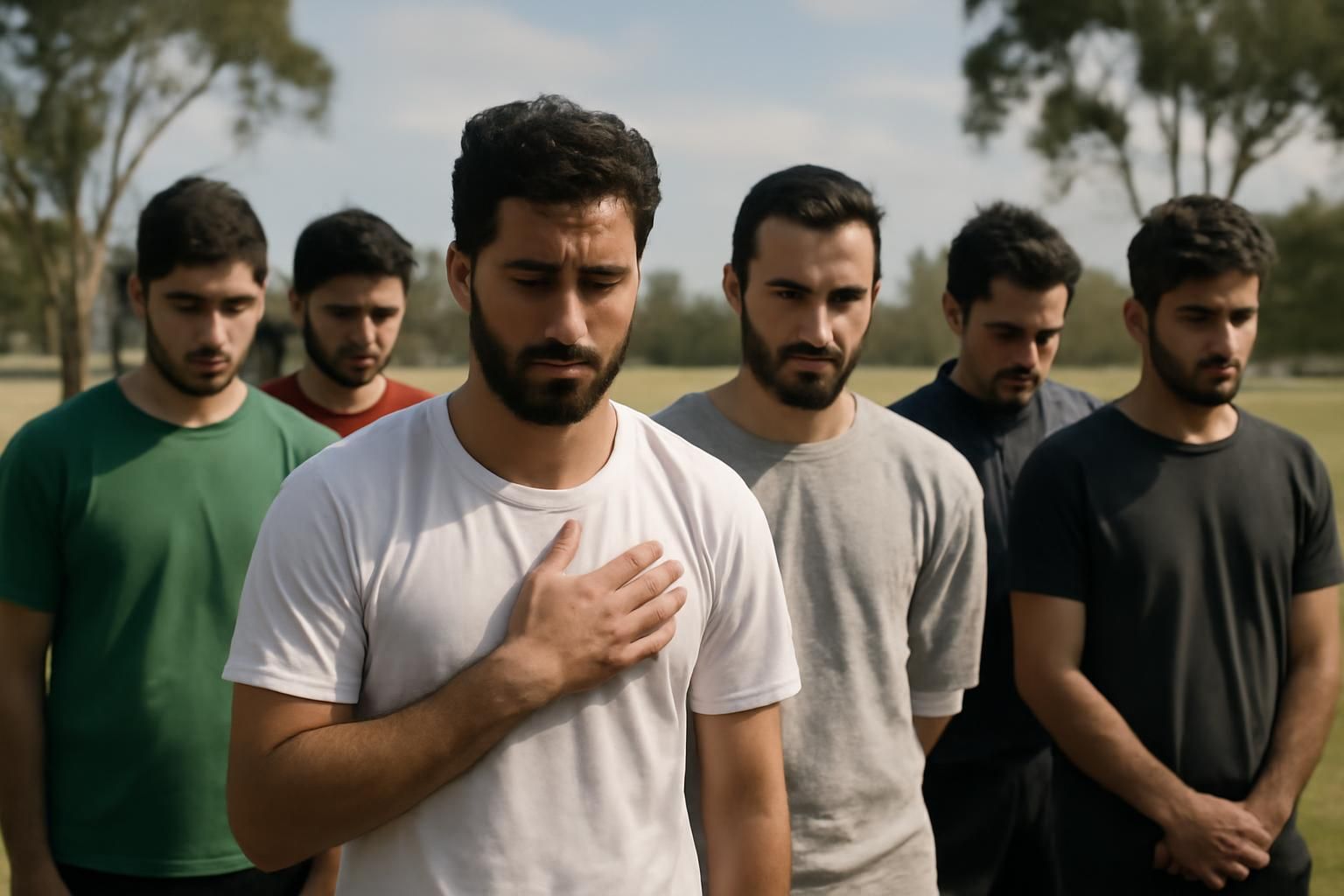
The story of Iranian soccer players seeking asylum in Australia after a politically charged silent protest during the Women’s Asian Cup has captivated international attention and sparked important conversations about the intersection of sports, politics, and human rights. The refusal of these athletes to sing their national anthem on foreign soil was not a mere act of defiance toward their country but a profound form of silent resistance against systemic repression and violence in Iran. These players have become more than athletes—they are now symbols of freedom of expression, courage, and the struggle for dignity facing many under authoritarian regimes.
Their asylum request in Australia highlights critical questions about the role of sports figures in political activism and the responsibilities countries have when granting asylum to refugee athletes. It also spotlights the challenges faced by those fleeing persecution not because of traditional warfare, but due to their expression of beliefs and identities. This article explores the multifaceted issues surrounding the Iranian soccer players’ quest for asylum, the context behind their anthem silence, and the broader implications for international soccer and human rights advocacy.
Key Points:
- Several Iranian soccer players obtained humanitarian asylum in Australia following their silent protest against Tehran’s crackdown on dissent.
- The anthem silence at the Women’s Asian Cup was a deliberate and symbolic gesture to raise international awareness of human rights violations.
- The players’ story underscores how sports and politics are deeply intertwined, especially in repressive regimes.
- Australia’s granting of asylum demonstrates increased recognition of refugee athletes and their unique vulnerabilities.
- The circumstances have ignited global dialogue on freedom of expression and protection of political asylum seekers in sports.
Understanding the Context of Iranian Soccer Players’ Anthem Silence During the Asian Cup
The silence of the Iranian women’s soccer team players during the national anthem at the Women’s Asian Cup was a bold, intentional action rooted deeply in Iran’s political landscape. This act must be understood against a backdrop of significant governmental repression targeting women, dissenters, and freedom advocates within the country.
Iran has maintained strict controls over expressions of opposition, especially those coming from prominent figures such as athletes. For decades, women in Iran have faced disproportionate social and political restrictions, and the spread of protests following deadly crackdowns intensified international scrutiny of the regime. The Iranian women’s soccer players, representing their nation on a global platform, used the anthem silence not as a rejection of their sport or country’s identity, but rather as a silent plea for justice and an end to violent suppression.
This gesture communicated volumes. It was a personal and collective form of protest against the harsh reality many faced back home—where voices of dissent are silenced violently and freedoms severely limited. By refusing to sing, these athletes risked personal safety, career prospects, and family repercussions, symbolizing the profound internal conflict between their love for their sport and their commitment to human rights.
Historically, sports events often serve as international stages for political statements, but the Iranian team’s anthem silence was constructed with a direct message: the world must acknowledge their plight. It symbolizes a transformation in how athletes link their identities with broader societal issues, challenging traditional expectations of apolitical sportsmanship.
The Journey of Iranian Soccer Players Seeking Asylum in Australia: From Protest to Protection
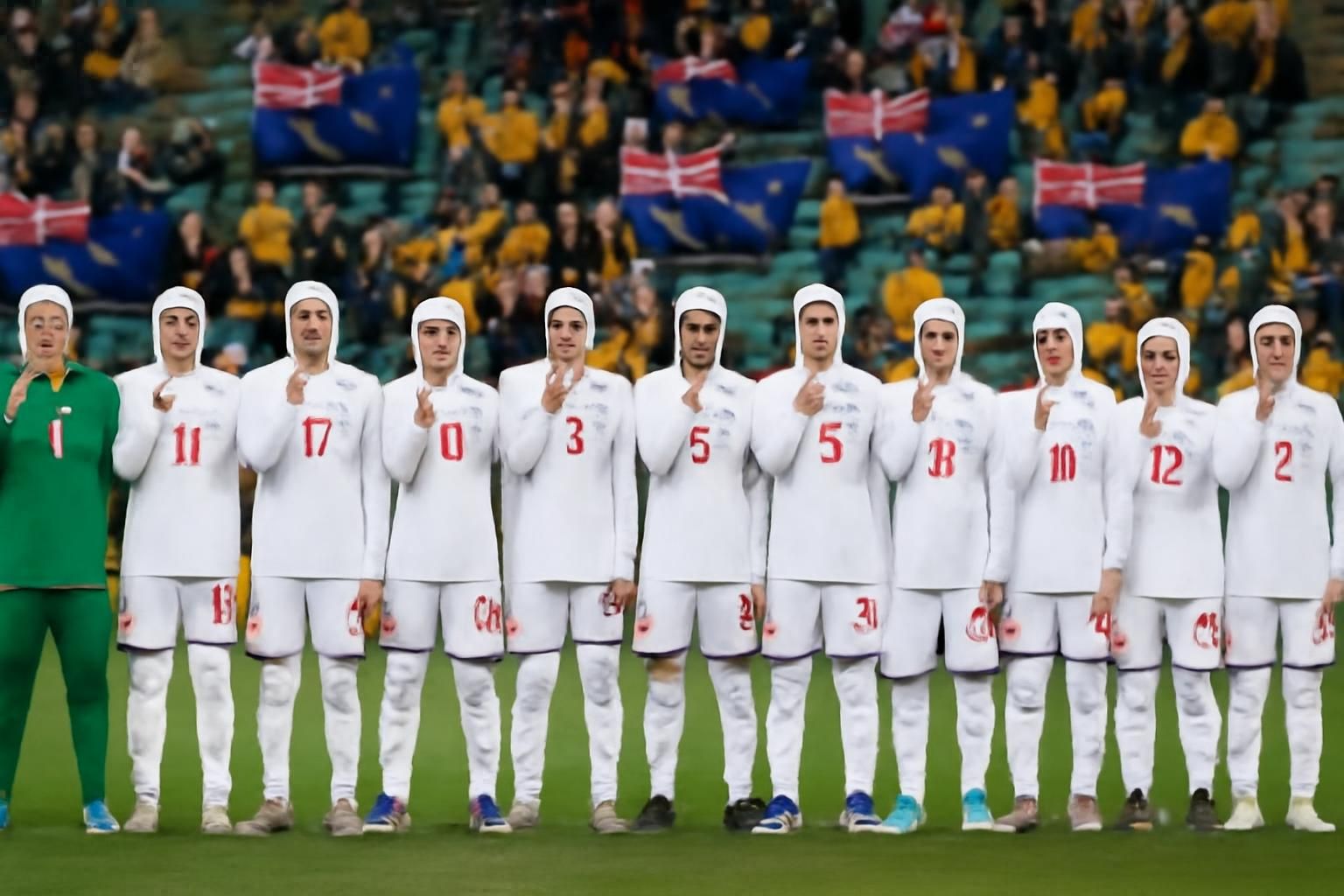
Following the Asian Cup and their protest through anthem silence, several members of the Iranian women’s soccer team chose to seek asylum in Australia, interpreting the country’s humanitarian visa policies as a beacon of safety. This transition from athletes representing Iran to asylum seekers in Australia highlights a complex journey laden with legal, psychological, and cultural challenges.
Upon arrival, these women faced immediate decisions: to continue their sports careers while navigating a new life or to prioritize safety and political expression freedoms over athletic aspirations. Australia’s acceptance of their asylum claims highlights the growing recognition of refugee athletes’ unique positions, where sport and human rights intersect dramatically.
The asylum process required them to provide evidence of persecution risks if they returned to Iran, including threats linked to their public protest and symbolic anthem silence. The Australian government’s approval reflected a broader commitment to protecting those at risk of political oppression, especially athletes whose international visibility paradoxically increases their vulnerability at home.
The transition also underscored the challenges faced by refugee athletes in adapting to new cultural environments, dealing with trauma from political persecution, and facing uncertainties about their sporting futures. Support networks, legal assistance, and integration programs in Australia played critical roles in helping these players rediscover a sense of stability while continuing their fight for human rights through their athletic platforms.
This pursuit of asylum encapsulates a wider phenomenon seen globally: athletes who become political asylum seekers because of their activism, symbolizing the courageous decisions made under threat and repression.
Challenges Faced During Asylum Seekers’ Adjustment
The pressures include:
- Navigating legal complexities in immigration and obtaining formal humanitarian protection
- Balancing athletic commitments with advocacy and personal safety concerns
- Overcoming trauma and separation from families and homeland
- Building new social networks and cultural integration in Australia
Each challenge is compounded by the ongoing political situation in Iran, which prevents athletes from fully disconnecting from the realities they protested against.
Exploring the Intersection of Sports and Politics: How International Soccer Became a Battleground for Human Rights
International soccer, historically revered as a uniting global sport, has increasingly become a platform where political and human rights issues play out. The case of Iranian soccer players refusing to sing their national anthem during the Asian Cup exemplifies how athletes are now harnessing their visibility to challenge oppressive regimes and spotlight violations beyond the pitch.
This phenomenon is not isolated. Around the world, sports and politics intertwine as athletes use international events to make statements against racism, war, gender inequality, and authoritarianism. The Iranian players’ anthem silence draws parallels with other global sporting protests such as the raised black fists during the 1968 Olympics or recent demonstrations against discriminatory laws.
In countries like Iran, where political dissent is harshly punished, athletes risk significant consequences. However, their international participation gives them a rare opportunity to voice opposition subtly yet powerfully. While some critics argue sports should remain apolitical, growing global awareness affirms that sportsmanship and political consciousness are increasingly inseparable.
This trend signals a vital evolution: sports arenas are emerging as critical spaces for freedom of expression and political asylum claims by refugee athletes. International soccer federations, governments, and humanitarian organizations face new challenges in balancing sporting fairness with protecting athletes’ rights and safety.
Lessons from these developments highlight the need for structured protections ensuring that players are not forced to choose between loyalty to their country and to their conscience.
Global Examples of Sports-Driven Activism
- Colin Kaepernick’s kneeling during the U.S. national anthem to protest racial injustice
- Nelson Mandela’s use of rugby to unify post-apartheid South Africa
- Japanese athletes protesting unequal gender policies in their sports federations
The Role of Australia in Providing Asylum for Refugee Athletes and Its Humanitarian Implications
Australia’s decision to grant asylum to members of the Iranian women’s soccer team has marked a significant humanitarian gesture that transcends conventional refugee policies. Recognizing the plight of asylum seekers facing political repression, Australia has showcased its commitment to supporting human rights through progressive immigration and refugee protection mechanisms tailored to athletes.
Humanitarian visas granted to these players provided safety and a chance to rebuild their lives away from threats of persecution. In doing so, Australia has bolstered its international reputation as a defender of freedom of expression and as a country welcoming to vulnerable individuals advocating for justice.
This approach also acknowledges the unique vulnerabilities refugee athletes face, often combining the trauma of displacement with the challenges of maintaining professional sports careers in exile. By offering asylum, Australia is not only responding to an urgent human rights need but also enriching its cultural and sporting tapestry with resilient, committed athletes.
Their acceptance has prompted vital discussions about the responsibilities of host nations in supporting refugee athletes beyond basic protection, including integration services, psychological counseling, and pathways to continue their athletic endeavors.
Australia’s example may inspire other countries to adopt nuanced asylum policies sensitive to the realities of sports figures fleeing oppression, thus informing broader human rights frameworks.
Table: Key Humanitarian Visa Benefits for Refugee Athletes in Australia
| Benefit | Description | Impact on Athletes |
|---|---|---|
| Right to stay and work | Legal permission to live and earn income in Australia | Enables financial independence and stability |
| Access to healthcare | Full medical services for physical and mental health | Supports recovery from trauma and physical fitness |
| Education and training programs | Opportunities for skill development and integration | Promotes social inclusion and career continuity |
| Support networks | Community services and counseling | Assists emotional wellbeing and cultural adaptation |
The International Soccer Community’s Reaction to the Anthem Silence and Asylum Seekers
The global soccer community’s response to the Iranian players’ anthem silence and subsequent asylum request has been multifaceted, encompassing sympathy, debate, and calls for solidarity. Leading soccer organizations, such as the Asian Football Confederation (AFC) and FIFA, have found themselves navigating a delicate balance between maintaining sport neutrality and supporting human rights.
Many fans and activists praised the players for their courage, interpreting their silence as a universal message about the need for freedom and justice. Yet, the political nature of the event triggered intense discussion about the boundaries of political expression in international sport. National associations face pressure to either support athletes’ rights or adhere strictly to apolitical codes.
The asylum-seeking athletes have increased awareness about the risks faced by those representing repressive nations, emphasizing the need for global cooperation in protecting refugee athletes and enabling their voices to be heard. Some countries and sports entities have begun developing frameworks to provide assistance and safety to athletes under threat, inspired partly by this unfolding story.
This international reaction underscores how soccer, while a unifying sport, must reckon with the realities of geopolitics, human rights crises, and the ethical responsibilities of its governing bodies toward players.
Key Arguments in the Soccer Community Debate
- Freedom of expression vs. sports neutrality: Should athletes be free to engage in political protest during competitions?
- Institutional responsibility: What role should international soccer organizations play in safeguarding persecuted players?
- Long-term support: How can the community assist asylum seekers beyond immediate visas?
- Impact on international relations: How might these protests affect diplomatic ties between nations?
Human Rights and Freedom of Expression: The Broader Significance of the Players’ Protest
The anthem silence practiced by these Iranian soccer players is emblematic of a broader struggle for human rights and freedom of expression worldwide. Sports, often considered a neutral playing field, can become a potent stage for highlighting violations when other venues are closed or dangerous for dissent.
These athletes’ protest not only shines a light on the repression inside Iran but also exemplifies the courage required to speak truth to power at great personal cost. Their silence is a loud declaration against injustices such as political imprisonment, violence against women, and systemic suppression of voices demanding accountability.
Human rights organizations have referenced the players’ actions as an example of the need to protect freedom of thought, conscience, and expression within all domains, including sports. Their situation reinforces calls for stronger international frameworks that guarantee asylum and safeguard all individuals persecuted for exercising fundamental rights.
Moreover, this case continues to inspire aspiring athletes from oppressed communities, validating their role not just as sportspeople but also as advocates for social change. In an era where global connectivity amplifies these voices, such protests contribute to sustained international pressure on authoritarian regimes.
Strategies for Supporting Refugee Athletes and Protecting Political Asylum Seekers in Sports
Following the Iranian soccer players’ asylum case, there is an increasing need for robust strategies to aid refugee athletes and protect political asylum seekers within international sports. These strategies are crucial to ensure such athletes can continue their careers safely and maintain public platforms for advocacy.
Effective support systems encompass legal assistance, psychological counseling, safe relocation services, and integration initiatives that recognize the unique pressures faced by asylum seekers in the sports world. Collaboration between governments, sports federations, NGOs, and host communities is essential for this multifaceted approach.
Promoting awareness and training within sporting bodies about political asylum issues can help prevent stigmatization and foster empathy among teammates, fans, and officials. Additionally, sports organizations should develop binding protocols offering protections for athletes who engage in political expression, including pathways for asylum when necessary.
Furthermore, hosting countries can enhance their asylum policies by creating tailored provisions for refugee athletes, acknowledging the complexity of balancing athletic commitments with recovery from trauma and cultural integration. This approach would serve as a blueprint for managing future cases across different sports and political contexts.
Ultimately, supporting refugee athletes is both a humanitarian imperative and a recognition of sports as an influential arena for defending democracy, freedom, and human dignity worldwide.
List of Recommended Actions to Support Refugee Athletes
- Establish dedicated legal aid programs focusing on sports-related asylum cases
- Create mental health support networks specialized for athletes with trauma backgrounds
- Develop mentorship and cultural orientation initiatives in host countries
- Encourage international sports federations to adopt clear policies on freedom of expression
- Foster partnerships between refugee advocacy groups and sports organizations for emergency assistance
Why did the Iranian soccer players choose silence during their national anthem?
They used anthem silence as a silent protest against Tehran’s crackdown on dissent and human rights violations, calling international attention to political repression in Iran.
What challenges do refugee athletes face when seeking asylum?
Challenges include legal hurdles, cultural adaptation, trauma recovery, balancing sports careers with asylum processes, and separation from homeland and family.
How has Australia supported the Iranian asylum seeker athletes?
Australia granted humanitarian visas, providing access to healthcare, legal rights, education, and support services to assist integration and athletic continuation.
What are the implications of sports protests on international soccer?
Protests blur the lines between sports and politics, prompting debates about freedom of expression, institutional responsibility, and the role of sport in human rights advocacy.
How can international organizations better protect refugee athletes?
They can adopt binding policies, provide legal and psychological support, foster cultural integration, and promote awareness about asylum-related issues in sports.