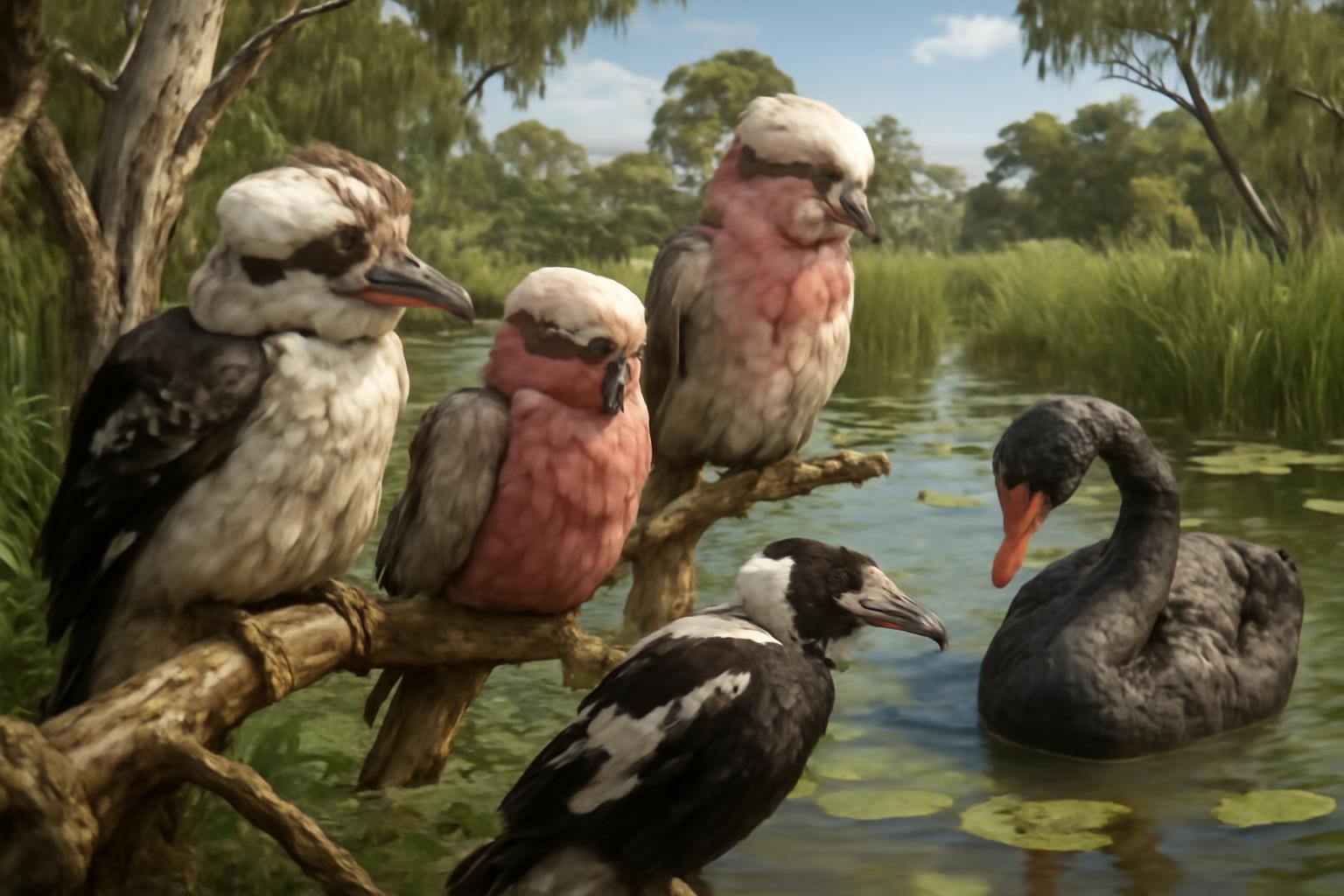
Australia is confronting a critical wildlife health challenge in 2026 with the confirmed local spread of the highly pathogenic H5N1 bird flu among its native bird species. Since the virus was first detected on the mainland in June, its transmission within wild bird populations has escalated, prompting urgent biosecurity responses. The emergence of this avian influenza strain not only threatens biodiversity but also poses risks to agriculture and public health segments, demanding comprehensive surveillance and management strategies.
Key developments include observed virus transmission between greater crested terns in South Australia, highlighting that the pathogen has gained a foothold beyond isolated cases. This ongoing transmission raises legitimate concerns about the virus spreading more widely across Australia’s unique ecosystems. Although the poultry industry remains uninfected for now, vigilance is paramount given the devastating effects seen globally, where millions of birds and affected farms suffered significant losses. The disease’s epidemiology indicates it can jump between avian and mammalian species, compounding its threat to native wildlife and potentially to humans.
Understanding the H5 Bird Flu Virus and Its Epidemiology in Australia
The H5N1 strain of avian influenza is a highly pathogenic virus that has caused global outbreaks since 2021, affecting wild birds, domestic poultry, and occasionally humans. In Australia, the virus’s arrival and subsequent spread among native birds have introduced complex dynamics that are reshaping the country’s wildlife disease landscape.
Historically, avian influenza viruses circulate naturally among wild aquatic birds, acting as their natural reservoirs. However, the particularly virulent H5N1 strain differs due to its high mortality rate and ability to infect a broader range of hosts. The virus spreads primarily through direct contact with infected birds, contaminated environments such as water bodies, and indirectly through migratory birds that travel long distances. Australia’s isolated geography once insulated it from many global disease incursions, but increased migratory pathways and environmental factors have compromised this barrier.
In 2026, epidemiologists studying outbreaks note enhanced local transmission demonstrated by interactions such as those seen between greater crested terns in South Australia. Such instances are critical indicators that the virus is no longer just an introduced pathogen but has adapted to Australian wildlife. These events underline the importance of disease surveillance programs focusing on native species to monitor the virus’s spread, mutation, and impact. Without rigorous investigation and containment measures, the virus could establish a persistent presence, resulting in endemicity that threatens the continent’s rich biodiversity and the ecological balance native to Australia.
Transmission Pathways Among Native Bird Species
The virus’s transmission routes involve complex ecological interactions. Native bird species with high social interaction and colonial nesting behavior, such as terns and skuas, serve as efficient transmission hubs. Waterfowl and seabirds also share aquatic environments that facilitate virus persistence and cross-species transmission.
Understanding these behaviors is essential for epidemiologists to predict potential hotspots and develop targeted response measures. In particular, species like the swift parrot and black swan, which have already been identified as highly vulnerable, face increased extinction risks if the virus becomes widespread. This vulnerability is compounded by their already fragile population statuses due to habitat loss and climate change pressures.
A detailed geospatial analysis reveals virus detection records concentrated in Western Australia, South Australia, New South Wales, and Queensland. Each area presents unique ecological factors affecting virus spread. For instance, migratory and resident birds intermingle in coastal wetlands and national parks, creating diverse interfaces where the virus can encroach into various ecosystems. These conditions make surveillance and biosecurity protocols crucial to containment efforts.
Implications for Australia’s Poultry Industry and Biosecurity Measures
While Australia has not yet reported any infections in its commercial poultry operations, the existence of H5N1 in wild birds elevates the risk for spillover events. The poultry sector, vital to the national economy and food security, faces significant threats if the virus breaches protective barriers. Historical global outbreaks have shown how devastating such events can be, with economic losses tallying in the billions and widespread culling orders issued.
The federal government, through the Department of Agriculture, Fisheries and Forestry, has implemented intensified biosecurity protocols to shield poultry enterprises. These measures include restricting farm access, enforcing stringent hygiene controls, increasing farm inspections, and enhancing disease reporting mechanisms.
Farm owners receive ongoing education on recognizing bird flu symptoms such as sudden mortality, respiratory distress, and neurological signs. The use of personal protective equipment (PPE) and disinfection stations is now standard on properties adjacent to wetlands or bird migratory routes. Moreover, collaboration between farmers, wildlife experts, and health authorities underpins a cohesive response network designed to identify and react swiftly to any outbreaks in domestic flocks.
One particularly effective strategy Australia employs is the establishment of buffer zones where wild and domestic birds come into regular contact. These zones are singled out for enhanced monitoring and testing, with rapid virus detection capabilities to prevent industry-wide exposure. In regions reporting wild bird infections, temporary movement controls help limit poultry product distribution, minimizing cross-contamination risks.
Native Bird Species at Greatest Risk and Conservation Challenges
More than 150 native bird species in Australia are currently assessed at elevated risk of major population declines or extinction should H5N1 bird flu become established within their populations. The vulnerability varies depending on species’ ecological characteristics, population sizes, and previous exposure to infectious diseases.
Notable at-risk species include the swift parrot, black swan, and several seabird species like brown skuas. These birds not only play significant ecological roles — such as controlling insect populations or contributing to nutrient cycling — but many hold cultural importance for Indigenous Australians and the wider society.
Conservationists face a dual challenge: protecting these species from an emerging infectious disease while maintaining overall ecosystem integrity. The rapid spread of H5N1 complicates traditional conservation strategies as it introduces a novel mortality factor beyond habitat loss and climate-related stresses. Efforts such as vaccination of captive populations, habitat management to reduce bird congregation hotspots, and public awareness campaigns have been employed to mitigate impacts.
However, vaccinating wild bird populations poses logistical difficulties and ecological risks. Thus, monitoring and early detection remain the most feasible tools. Citizen science initiatives encouraging public reporting of sick or dead birds significantly augment official surveillance, combining community engagement with scientific inquiry.
Role of Disease Surveillance and Reporting in Managing Wildlife Disease
Effective disease surveillance forms the backbone of managing avian influenza outbreaks. Australian authorities have ramped up testing and monitoring activities, particularly in coastal and sub-Antarctic regions where initial detections occurred. Sampling involves capturing live birds for swabs, collecting environmental samples from water bodies, and necropsying dead specimens to confirm infections.
Surveillance extends beyond birds to include mammals and other wildlife species, acknowledging the virus’s broad host potential. The Emergency Animal Disease Hotline facilitates prompt reporting, encouraging citizens and professionals alike to document instances of morbidity or mortality. After reports, rapid response teams assess the cases, applying molecular diagnostics such as PCR to detect viral RNA, thereby confirming active infections.
Integrating geographic information system (GIS) technology enhances data analysis by mapping positive detections against migratory patterns, habitat types, and human activity centers. This spatial perspective informs risk assessments and prioritizes intervention areas.
Public health agencies also monitor for potential zoonotic transmission — transmission from animals to humans — though currently, there are no confirmed human cases linked to Australia’s wild bird outbreaks. Inter-agency cooperation thus remains vital to tracking and containing the virus effectively.
Summary of Australia’s H5 Bird Flu Surveillance Data by State
| State | Confirmed Cases in Wild Birds | Description of Most Affected Species | Surveillance Measures |
|---|---|---|---|
| Western Australia | 10 | Greater crested terns, brown skuas | Active testing at national parks, bird colonies monitoring |
| South Australia | 14 | Greater crested terns, black swans | Surveillance in coastal wetlands, environmental sampling |
| New South Wales | 2 | Various native seabirds | Local wildlife health reporting, necropsy analysis |
| Queensland | 1 | Seabird species | Targeted surveillance in key habitats |
Impact of H5 Bird Flu on Australia’s Ecosystems and Biodiversity
The devastating potential of the H5 bird flu strain extends beyond immediate avian mortality. Native bird species serve as integral components of Australia’s ecosystems. Their decline can precipitate cascading effects, disrupting food chains, pollination, seed dispersal, and other ecological functions.
For example, birds like black swans maintain aquatic vegetation balance by grazing, while insectivorous birds control pest populations. The loss of these species could lead to unchecked insect outbreaks or aquatic habitat degradation. Furthermore, birds serve as prey for higher predators, so their reduction impacts broader fauna, including mammals and reptiles.
In addition, avian diversity supports ecotourism and cultural heritage. Many Indigenous communities have longstanding relationships with native bird species, regarding them as totems or spiritual guides. The rapid spread of disease affecting these species introduces sociocultural consequences that can be profound and lasting.
Ecologists are actively researching the long-term ecosystem impacts, advocating for collaboration between conservation groups, government agencies, and community stakeholders to develop adaptive management plans. These initiatives aim to bolster ecosystem resilience against infectious diseases and other environmental pressures.
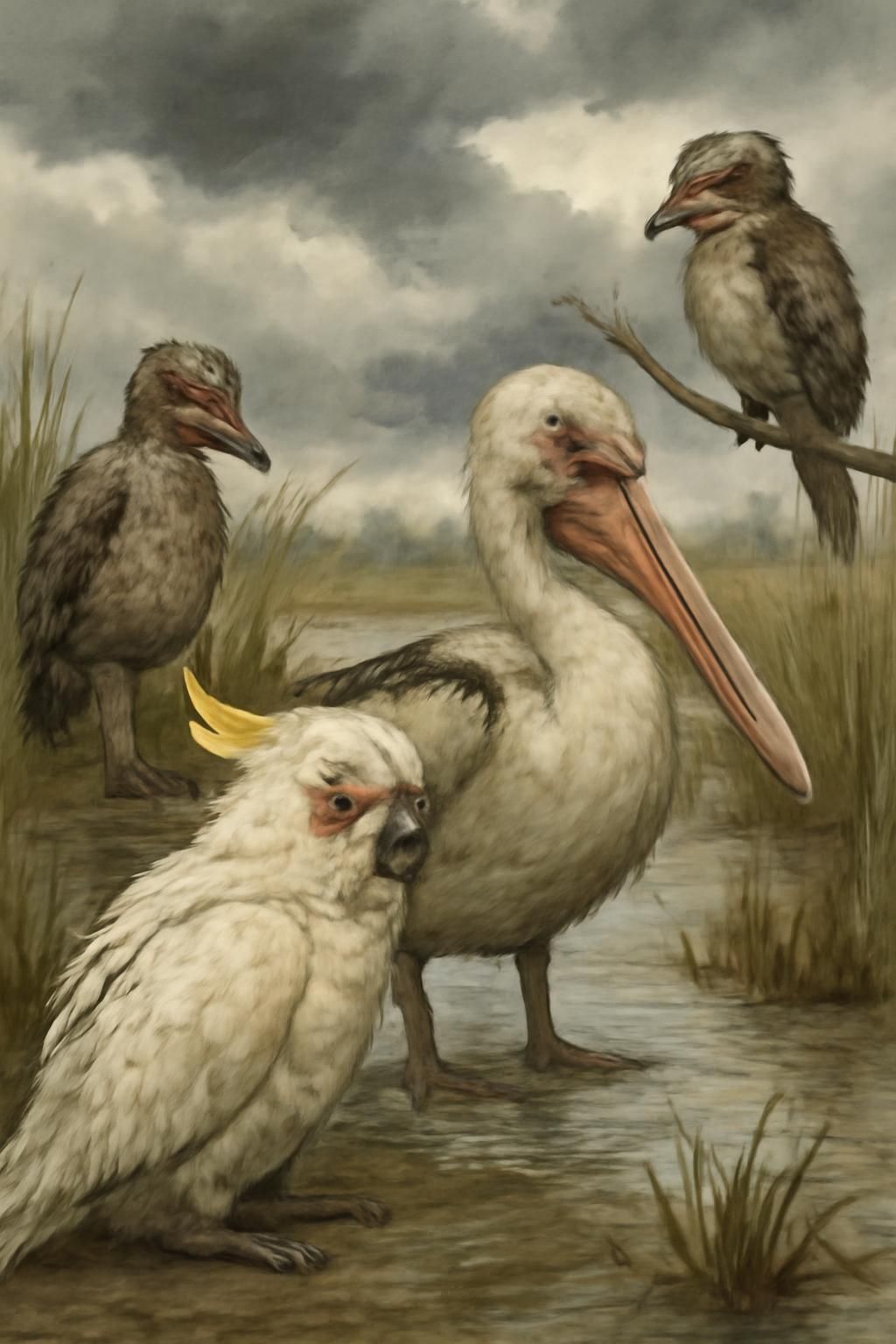
Strategies for Mitigating the Spread of H5 Avian Influenza in Wildlife
To tackle the spread of H5 bird flu effectively, various strategies are being employed or considered. These range from direct interventions to broader environmental management and public engagement.
Key strategies include:
- Enhanced Biosecurity in Critical Zones: Strengthening physical and procedural barriers in environments frequented by native and domestic birds.
- Wildlife Health Monitoring: Increasing the frequency and coverage of disease testing among bird colonies and migratory pathways.
- Community Involvement: Encouraging reporting of sick or dead birds and raising awareness about minimizing risks of virus transmission.
- Research and Development: Exploring vaccine feasibility for captive birds and alternative control methods.
- Habitat Management: Modifying certain habitats to reduce congregation points that facilitate viral spread among birds.
Each approach has challenges related to logistical feasibility, ecological impacts, and resource allocation. Combined, however, these strategies represent a robust framework aimed at minimizing the virus’s ecological and economic damages.
Example of a Community Reporting Protocol
Community members discovering sick or dead wildlife are instructed to:
- Avoid direct contact and maintain a safe distance.
- Record specific details including the date, time, and precise location.
- Take photographs to assist identification and assessment.
- Report findings immediately to the Emergency Animal Disease Hotline at 1800 675 888.
- Follow guidance provided by wildlife health officials on disposal or handling.
Biosecurity and Public Health: Preventing Spillover Beyond Wildlife
While the current focus centers on native bird species, preventing spillover to humans and other animals is a critical concern. H5N1’s pandemic potential lies in its capacity for zoonotic transmission, although such events remain rare and unpredictable. Nonetheless, Australian public health entities integrate early warning systems and preparedness plans to monitor any signs of human infections.
Coordination between wildlife surveillance, veterinary sectors, and medical authorities is essential to identify cross-species infections promptly. Workers in high-risk professions such as wildlife conservation, poultry farming, and veterinary care undergo regular training to apply personal protective measures and report suspected illnesses.
Public outreach campaigns emphasize hygiene practices, discourage handling of sick wildlife, and stress the importance of using protective gear when exposure risk is present. These initiatives aim to reduce fear and misinformation, promoting informed community participation in disease control.
Global Context and Australia’s Role in Monitoring Avian Influenza
Australia’s experience with H5 bird flu is part of a global narrative marked by persistent outbreaks across continents since 2021. The virus’s movement through migratory bird populations highlights the interconnectedness of ecosystems and the importance of international cooperation in disease surveillance.
Australia has contributed to global research efforts by sharing epidemiological data and virus samples, assisting in vaccine development and risk assessment models. Its advanced biosecurity infrastructure and native biodiversity make the country a critical stakeholder in worldwide avian influenza management.
Engagement with international bodies such as the World Organisation for Animal Health (WOAH) and collaborations with neighboring Pacific nations strengthen regional disease control. Additionally, Australia’s geographic position offers opportunities for monitoring migratory birds that link Asia, Oceania, and Antarctica, providing essential early warning data for the global scientific community.
What is H5 bird flu, and how does it affect native Australian birds?
H5 bird flu (H5N1) is a highly pathogenic avian influenza virus that infects wild and domestic birds. In Australian native bird species, it can cause severe illness and high mortality, threatening populations particularly vulnerable due to limited numbers or specific ecological traits.
How can the public help in controlling the spread of H5 bird flu?
The public can assist by avoiding contact with sick or dead birds, reporting such findings promptly to the Emergency Animal Disease Hotline, and following biosecurity advice to limit further transmission.
Has H5 bird flu affected Australia’s poultry industry?
As of now, the poultry industry in Australia remains free from H5 bird flu infections, but ongoing vigilance and biosecurity measures are critical to maintaining this status.
What are the main challenges in protecting native bird species from H5N1?
Challenges include the virus’s rapid transmission among highly social and migratory birds, difficulties in vaccinating wild populations, and balancing conservation efforts with disease control measures.
Why is disease surveillance important in managing H5 bird flu outbreaks?
Disease surveillance allows for early detection, understanding patterns of spread, and timely implementation of control measures to reduce virus impact on wildlife and agricultural sectors.