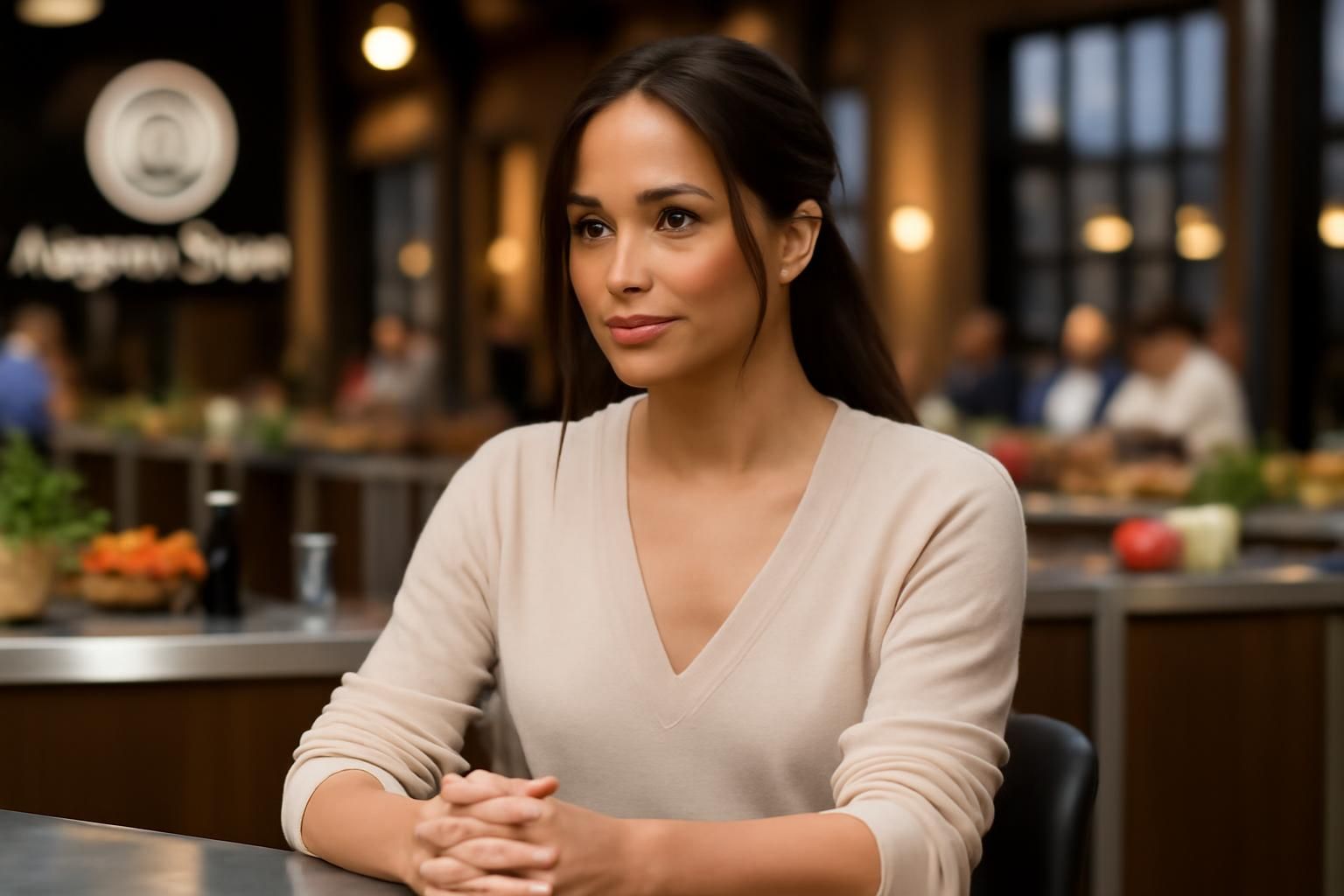
Meghan Markle’s unexpected appearance on MasterChef Australia sparked widespread media attention and public curiosity, especially surrounding one particular moment where the Duchess of Sussex was politely asked about her preferred form of address. The much-anticipated episode featuring Meghan not only highlighted her culinary interests but also provided a unique glimpse into her personal comfort with royal titles, as she gracefully requested to be called simply “Meghan.” This subtle yet significant request quickly became a focal point for discussions about celebrity etiquette, royal protocol, and media portrayals of public figures in 2026.
In the realm of celebrity appearances and media engagements, Meghan Markle’s interaction on MasterChef Australia stands out as a case study in navigating personal identity within the bounds of public expectation. Her choice to downplay her royal title during a high-profile television show reveals complexities in maintaining authenticity while honoring traditional roles. This episode also underscored the evolving relationship between celebrities and their audiences, where titles and formalities give way to genuine connection and mutual respect.
- Meghan Markle appeared on MasterChef Australia as a guest judge, drawing significant viewer interest.
- During the show, a judge asked whether she should be addressed as “Duchess,” to which Meghan replied, “Oh, call me Meghan,” emphasizing informality.
- This moment sparked conversations about royal etiquette and media portrayal of Meghan in 2026.
- Meghan and Prince Harry retained their Sussex titles post-2020 but have favored informal address in public settings.
- The episode drew over 1.1 million viewers, becoming one of the season’s most-watched installments.
- Public and media reactions ranged from admiration for Meghan’s grace to debates over royal protocol and celebrity culture.
Meghan Markle’s Poised Interaction on MasterChef Australia: Navigating Title and Identity
Meghan Markle’s guest judging spot on MasterChef Australia was notable not only for the cuisine and competition but also for the way she handled questions about her royal title. When judge Poh Ling Yeow asked, “Do I call you Duchess?” Meghan’s warm yet clear reply, “Oh, call me Meghan,” demonstrated a graceful balancing act between public expectations and personal preference.
This interaction sheds light on the importance of identity management for public figures who carry multiple roles. Meghan, as the Duchess of Sussex, holds a royal title recognized worldwide, yet her choice to be addressed by her first name on a casual cooking show speaks to a desire for normalcy and accessibility. It also challenges traditional assumptions about royal etiquette, highlighting a modern approach to celebrity where authenticity trumps formality.
In media and celebrity circles, such moments become illustrative examples of the evolving nature of public interaction. The respectful way Meghan navigated the question allowed audiences to appreciate her humility and self-assurance simultaneously. Importantly, this moment further humanized a figure often scrutinized for her royal status, connecting her more closely with fans and viewers who see her as relatable beyond her official title.
The Role of Titles in Contemporary Celebrity Culture: Etiquette Versus Personal Preference
Titles carry weight in social and cultural contexts, especially within royalty and celebrity domains. However, Meghan Markle’s preference to be called simply “Meghan” during her MasterChef Australia episode prompts a broader conversation about the role of titles today.
While titles like “Duchess” traditionally signify status, heritage, and formality, the modern media landscape has shifted towards informal interactions that often resonate better with audiences. This shift is notable in celebrity culture, where stars seek more authentic connections by minimizing rigid protocols. For Meghan, insisting on her first name challenges archaic norms and paves the way for more flexible etiquette welcoming personal preference.
The intersection between etiquette and personal identity is also a reflection of changing societal values in 2026. People crave genuine connections over hierarchical distinctions, and figures like Meghan Markle embody this trend. This attitude impacts not only how celebrities present themselves but also how media outlets cover them, emphasizing stories of humanity rather than just status.
The episode additionally raises questions about how the public perceives and respects such preferences. It encourages viewers and media professionals alike to reconsider the automatic use of formal titles, fostering a culture of respect that places individual comfort above tradition.
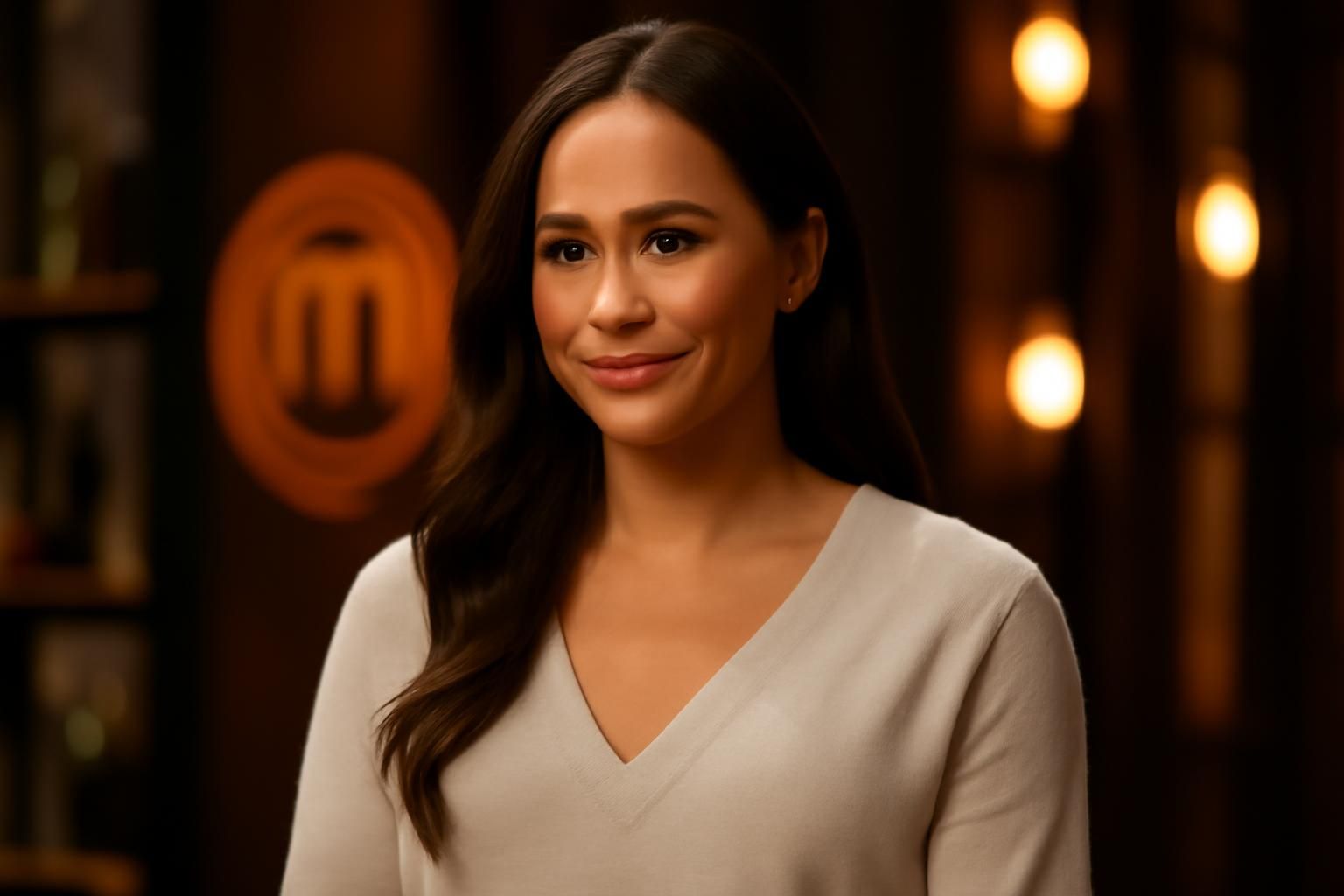
Media Coverage and Public Reaction to Meghan’s Request on MasterChef Australia
Media headlines quickly picked up on Meghan Markle’s response and the polite request to be addressed informally. Various outlets framed the moment as a “graceful response” and explored implications for celebrity etiquette and royal protocols in modern media.
The portrayal ranged from celebratory coverage applauding Meghan’s humility to critical commentary about the tensions between celebrity identity and royal tradition. One media narrative suggested that the show’s early promotion referencing “royalty” may have caused frustration for Meghan and her team. However, sources close to Meghan refuted claims of discontent, clarifying that she enjoyed filming and shared positive rapport with judges and contestants.
The public echoed this nuanced reception. Fans praised Meghan’s ability to maintain poise and normalcy in a setting usually dominated by status. Social media conversations and comments highlighted her authenticity and relatable demeanor. Meanwhile, some royal watchers debated the appropriateness of informal titles, with discussions reflecting broader issues of cultural respect for monarchy versus individual identity.
MasterChef Australia’s substantial viewership, over 1,160,000 tuning in for this episode according to TV Tonight, underscores the cultural significance of such appearances. The episode ranking as third most-watched in the season illustrates the intrigue and public engagement surrounding Meghan’s media presence.
Prince Harry’s Participation: Enhancing the Dynamic of Celebrity and Royalty
Adding depth to the episode was the involvement of Prince Harry, who appeared via FaceTime, creating a memorable and lighthearted moment on the show. His playful remark, “What’s going on? Have I interrupted something important?” added levity and showcased the couple’s on-screen chemistry.
This digital cameo also emphasized the merging of royal tradition with contemporary media formats, illustrating how royals adapt to engage with audiences in unconventional ways. Harry and Meghan’s presence on a popular cooking show signifies their openness to diverse platforms beyond traditional public appearances and royal ceremonies.
Moreover, Harry’s location in Canberra with veterans during the episode highlights the couple’s ongoing commitment to social causes, reinforcing their public image as advocates for mental health, veteran support, and women’s issues. Their 2026 Australia tour, including stops in Melbourne, Sydney, and Canberra, reflects a carefully curated blend of celebrity appearances, media engagements, and philanthropic work.
The Impact of Meghan’s Television Appearance on Public Image and Celebrity Etiquette in 2026
Meghan Markle’s guest judging role has broader implications for celebrity etiquette and public image management going forward. By choosing to be addressed informally, she sets a precedent for high-profile individuals balancing titles and relatability.
This approach encourages other celebrities, especially those with formal titles or established personas, to prioritize personal comfort and connection over rigid norms. In a world increasingly valuing mental health and authenticity, Meghan’s manner serves as an example of graceful navigation between personal identity and public expectation.
Her appearance also enriches celebrity culture by blending royal status with everyday interests like cooking, showcasing a multifaceted personality beyond the public stereotype. This multifaceted presentation resonates well with contemporary audiences seeking depth and honesty from public figures.
As media evolves in 2026, the intersection of celebrity, royalty, and authenticity becomes central in maintaining relevance and fostering meaningful engagement. Meghan’s episode on MasterChef exemplifies this balance, providing a blueprint for respectful yet relaxed celebrity interactions in broadcast media.
Understanding Royal Titles Versus Personal Names: A Cultural and Legal Perspective
To fully appreciate Meghan Markle’s preference, it is important to explore the cultural and legal distinctions surrounding royal titles and personal names. Following their step back from official royal duties in 2020, Meghan and Prince Harry retained their Duke and Duchess of Sussex titles but adapted how they are used publicly.
Legally, Meghan changed her name to Meghan, Duchess of Sussex upon marrying Harry in 2018, and the family considers “Sussex” their shared last name, including their children Archie and Lilibet. Despite this, the couple often opts for first names or nicknames in informal contexts, a practice increasingly common for individuals balancing formal roles and modern lifestyles.
This trend indicates a shift in noble customs, reflecting a broader societal move toward personalized identity and away from rigid formality. It also impacts media guidelines and public etiquette, prompting respectful accommodation of preferences when addressing figures with royal or celebrity status.
| Aspect | Royal Title | Personal Name Use |
|---|---|---|
| Legal Status | Retained post-2020 step back | Legally Meghan, Duchess of Sussex |
| Public Use | Used in formal contexts | Preferred in informal, media settings |
| Audience Reception | Evokes tradition and respect | Fosters relatability and accessibility |
Lessons from Meghan Markle’s Public Conduct: Implications for Celebrity and Royalty Futures
Meghan Markle’s MasterChef Australia appearance serves as a valuable lesson in celebrity diplomacy and public relations management. Her graceful response to the question of how she prefers to be addressed highlights the importance of clear communication and setting boundaries in public roles.
Her example encourages public figures with royal or celebrity status to assert their identities authentically while maintaining goodwill with audiences. The balance Meghan demonstrates can help avoid misunderstandings or media misrepresentations, fostering a positive public image grounded in respect and clarity.
Furthermore, Meghan’s approach opens discussions about flexibility in royal protocol and media representation—topics that remain relevant as celebrity culture evolves. Her interaction on the cooking show could inspire other royals and celebrities to embrace more approachable personas, creating a new norm in celebrity etiquette.
Why did Meghan Markle prefer to be called ‘Meghan’ instead of ‘Duchess’ on MasterChef Australia?
Meghan chose to be called ‘Meghan’ to emphasize individuality and approachability, reflecting a modern approach to royal titles and public interaction.
How did the public react to Meghan’s request during her MasterChef appearance?
The public generally responded positively, appreciating her humility and authenticity, although some traditionalists debated the informality.
Did Meghan and Prince Harry retain their royal titles after stepping back from official duties?
Yes, they legally retained the Duke and Duchess of Sussex titles, but often prefer informal address when engaging with the public and media.
What impact did Meghan’s appearance on MasterChef have on celebrity etiquette?
Her appearance encouraged a trend towards personal comfort over strict formality, promoting a more authentic and relatable celebrity image.
How did Prince Harry participate in the MasterChef Australia episode?
Prince Harry joined via a FaceTime call during the episode, adding a personal and lighthearted touch to the broadcast.