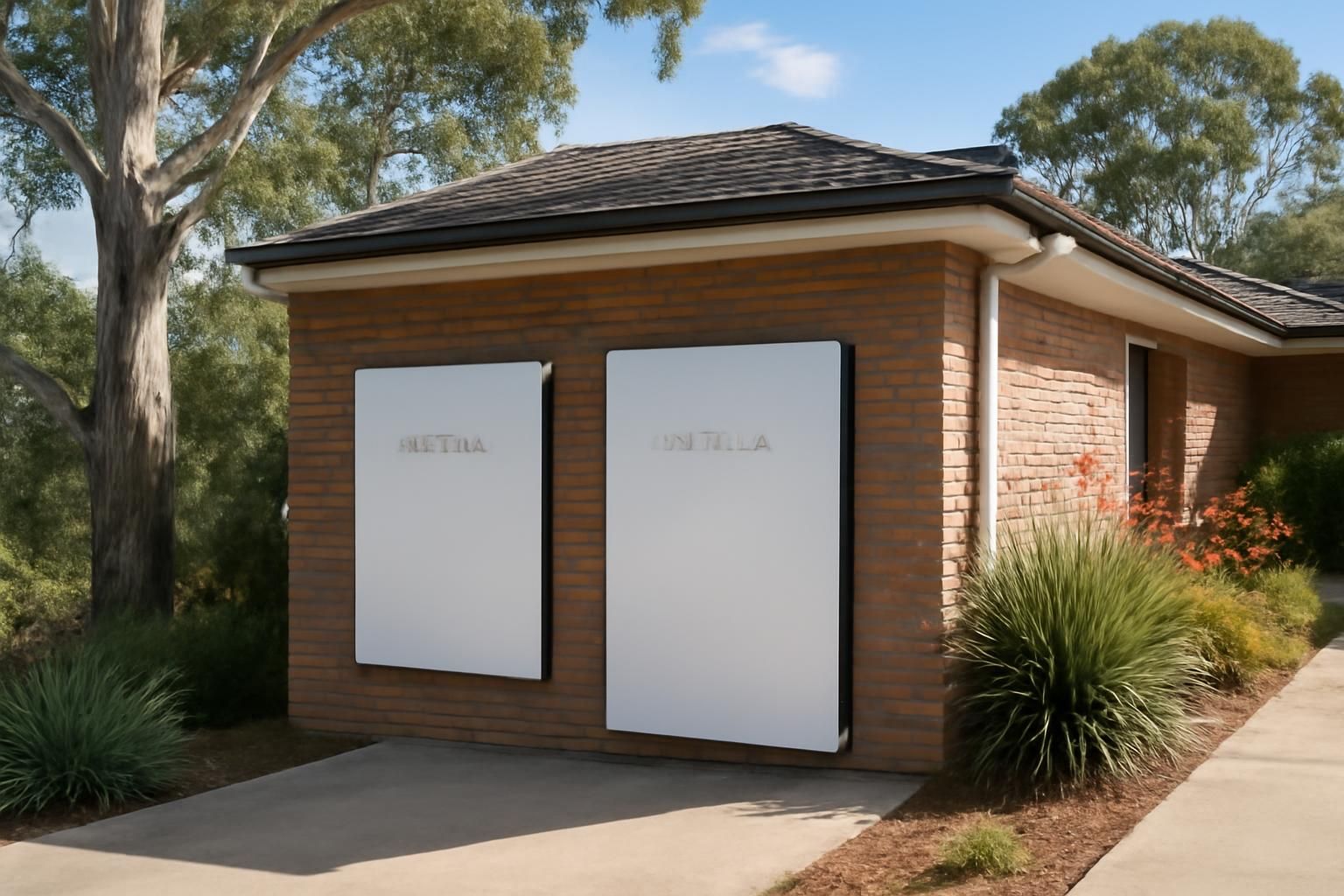
Owners of the Australian Powerwall 2 have received compelling news as Tesla now enables an upgrade pathway to the Powerwall 3 without imposing additional costs. This development, powered by a new software update, dismantles previous barriers that prevented simultaneous use of the two battery generations in the same home energy system. It represents a significant leap toward expanded home energy storage, promising increased resilience, cost savings, and greater sustainability for households across the country.
In Australia, where solar energy adoption and battery storage are rapidly advancing, the ability to enhance existing setups with the latest technology stands to benefit thousands of homes. Rather than replacing their Powerwall 2 units outright, users can now add a Powerwall 3 for a seamless expansion in energy capacity. This not only amplifies the usability of solar power but also optimizes energy independence during night hours and power outages. The update also facilitates a smoother transition to renewable energy solutions, underscoring Tesla Powerwall’s commitment to adaptable and forward-thinking home energy strategies.
Key points at a glance:
- Backward compatibility: Powerwall 3 units are now compatible with existing Powerwall 2 systems through a software update.
- Cost efficiency: Australian owners can upgrade without paying extra beyond the price of the new Powerwall 3 device.
- Expanded energy storage: Users can effectively increase their battery capacity without sacrificing existing hardware.
- Improved home energy resilience: Enhanced storage allows for better energy use during peak demand or outages.
- Supports sustainability goals: Integrating new batteries with older systems promotes solar energy use and grid independence.
How Tesla Achieved Powerwall 2 and Powerwall 3 Integration Through Software Updates
For a long time, Tesla Powerwall 3 and Powerwall 2 were incompatible, meaning homeowners needed to choose between upgrading their entire battery system or retaining their existing setup without expansion options. Tesla’s approach to resolve this dilemma has been primarily software-driven, focusing on updating the operating firmware that manages both Powerwall generations’ communication and control.
The software update introduces a feature that orchestrates the batteries’ operation in tandem, accommodating technical differences such as power output limits, charge cycles, and battery chemistry. By unifying their control systems, Tesla enables the Powerwall 3 to complement the Powerwall 2, allowing for an AC-coupled system that balances energy storage and distribution.
This evolution was born from intensive R&D, testing scenarios where households could rely on both batteries in unison without hardware upgrades beyond the purchase of the new Powerwall 3 unit. The software solution ensures that the combined system maximizes energy efficiency, maintains warranty integrity, and delivers backup power seamlessly during outages.
Moreover, Tesla’s roll-out strategy prioritized Australia and New Zealand, regions with high solar penetration and advanced renewable energy policies. Early adopters in these markets have reported successful collaborations of the two Powerwall versions, illustrating Tesla’s precise software engineering and commitment to supporting existing customers.
Through this update, the technical challenge of managing different battery generations is mitigated, showcasing Tesla’s innovative software capabilities as a cost-saving and sustainability-enhancing strategy for home energy users.
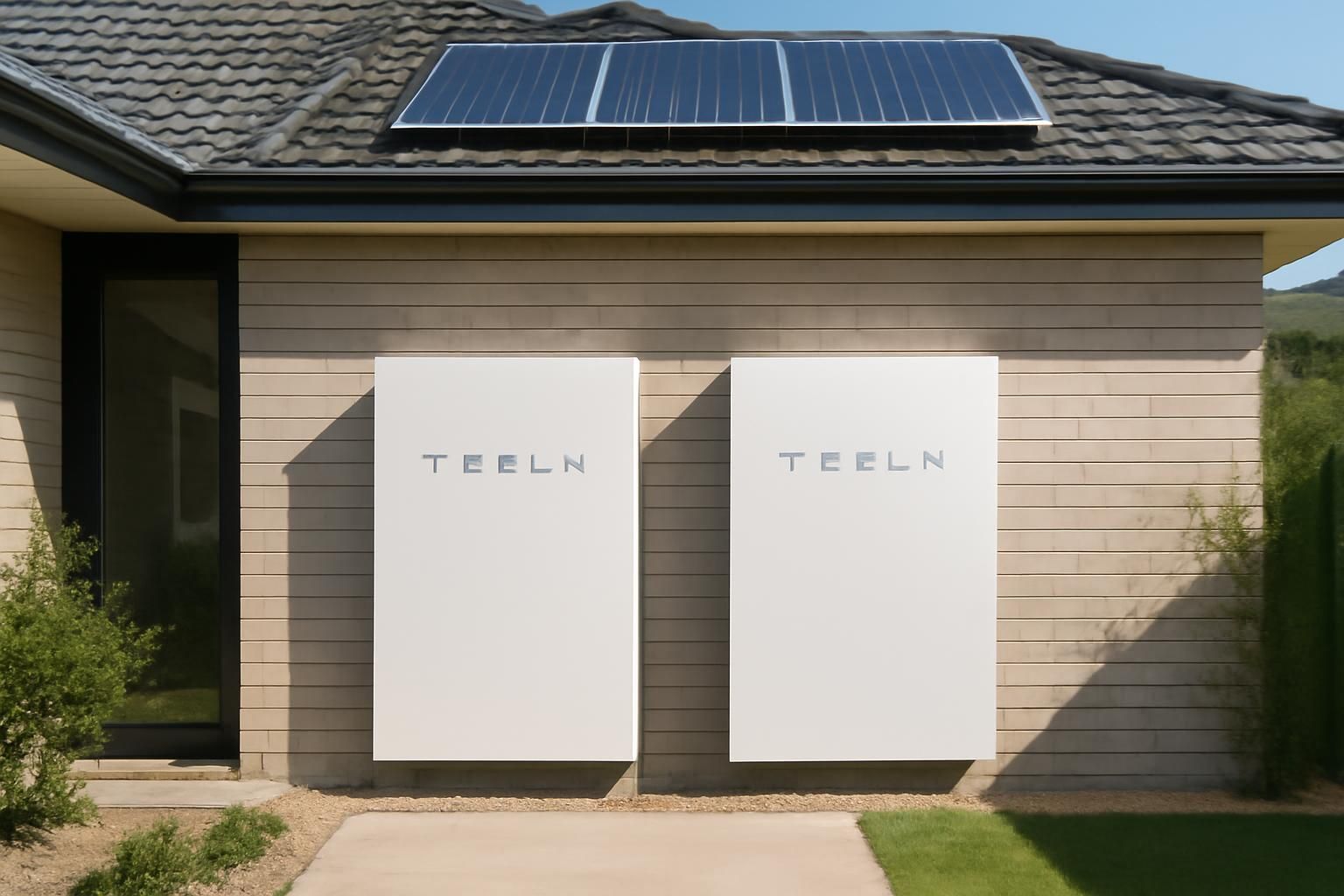
Benefits of Upgrading to Powerwall 3 While Retaining Powerwall 2 for Australian Homeowners
The opportunity to combine a Powerwall 3 with an existing Powerwall 2 offers numerous advantages that amplify the value proposition for Australian homeowners invested in solar batteries. The integration directly translates into increased energy storage capacity, which means more solar electricity produced during daylight hours can be saved for later use.
One of the largest benefits is improved energy independence. By expanding battery storage, consumers can reduce reliance on the traditional electrical grid, especially during peak demand times when electricity rates soar. This enhanced storage capability is critical in Australia, where grid electricity prices vary greatly and outages can last hours or even days in some regions.
Additionally, keeping the Powerwall 2 while supplementing with a Powerwall 3 preserves the investment already made. For many owners, the original Powerwall 2 unit remains under warranty, limiting the financial risk involved in expanding capacity. Replacing the entire system would have meant voiding warranties and incurring installation and hardware costs. Now, the ability to extend storage without hardware replacement minimizes both hassle and expense.
This upgrade also supports smoother transitions for homes integrating electric vehicles, heat pumps, or other high energy demand appliances. With growing adoption of electric vehicles in Australia, flexible battery storage becomes an essential component of comprehensive home energy management.
By leveraging new Powerwall 3 technology alongside Powerwall 2, households gain access to improved backup power duration during outages and better load-balancing capabilities. This ensures critical appliances stay operational, providing peace of mind amid increasingly frequent extreme weather events that threaten power reliability.
Understanding AC-Coupled Systems and Their Role in Powerwall 2 & 3 Compatibility
The integration of Powerwall 3 units with existing Powerwall 2 systems is facilitated by the adoption of AC-coupled system architecture, which differentiates modern Tesla energy storage designs. In an AC-coupled system, battery units connect to the home’s electrical system on the alternating current (AC) side, rather than on the direct current (DC) side.
This approach provides several technical and operational advantages, particularly when combining different battery types or generations. By interfacing on the AC side, each Powerwall unit operates semi-independently but remains coordinated through Tesla’s management software. This enables the compatibility of Powerwall 2 and Powerwall 3 despite their internal technical variations.
The system balances charging and discharging patterns aligned with solar PV generation, home consumption, and grid interaction. Such flexibility eliminates the need to retrofit wiring or replace hardware components to accommodate new energy storage units.
For installers and technicians, AC coupling simplifies integration, reducing installation time, risk of incompatibility, and overall costs. Furthermore, this design choice boosts overall system reliability by isolating faults and enabling easier troubleshooting.
From the homeowner’s standpoint, AC coupling means they can continue to enjoy the benefits of their current battery while expanding capacity gradually with newer units. This modular, scalable approach aligns perfectly with dynamic energy needs and evolving residential energy technologies.
Financial Implications of Upgrading Powerwall 2 to Powerwall 3 at No Additional Cost
One of the most striking elements of this upgrade capability is that Australian Powerwall 2 owners can add a Powerwall 3 unit at no additional cost beyond the price of the new battery itself. This means the existing installation infrastructure and Powerwall 2 hardware remain in place, avoiding costly replacements or system overhauls.
Such savings translate to a lower total cost of ownership for the new energy storage capacity. Often, adding more battery storage can involve not only buying the hardware but also installing new electrical gear, modifying inverters, and upgrading warranty contracts. Tesla’s approach removes these expenses by leveraging a software-driven compatibility update.
For Australian homeowners, this cost efficiency opens the door to accessible upgrades and energy independence without upfront financial burden. It also encourages broader uptake of renewable energy technologies by demonstrating that innovation can coexist with fiscal responsibility.
Additionally, homes participating in feed-in tariff programs or local incentives benefit further as expanded storage maximizes self-consumption of solar power, often leading to increased financial returns over time.
Electricity retailers and solar providers have adapted to this new landscape by offering flexible financing options and installation packages tailored to Powerwall expansions, making battery upgrades both easier and smarter financially.
Key Considerations and Installation Guidelines for Powerwall 3 Add-Ons to Powerwall 2 Systems
While the upgrade path is promising, homeowners should carefully consider specific factors before adding a Powerwall 3 to their existing Powerwall 2 installation. First, it’s essential to verify system eligibility with the installing company or Tesla authorized service providers to confirm software update availability and compatibility with individual home wiring and solar setups.
Users should inquire about detailed performance metrics post-upgrade such as expanded usable capacity, backup power duration, and whether current warranties remain intact or require extension. Understanding the limits and capabilities will shape realistic expectations and guide appropriate sizing of the combined system.
Installation itself, although simplified compared to a full battery replacement, must be conducted by certified professionals familiar with Tesla Powerwall products to ensure compliance with safety standards and local codes. Proper commissioning includes software updates, unit synchronization, and grid interaction configuration.
Moreover, homeowners should evaluate whether their energy needs justify expansion. For those with larger solar arrays or increased energy consumption due to electric vehicles or heating systems, the upgrade provides vital additional storage. Others with modest needs may find that their existing system suffices.
Finally, ongoing software updates and Tesla’s remote management capabilities mean the integrated system remains optimized and secure, contributing to a long-term, reliable energy storage solution.
Environmental Impact and Sustainability Advantages of Expanding Home Energy Storage
Expanding existing home energy storage through combining Powerwall 2 and Powerwall 3 units brings important environmental benefits that align with Australia’s clean energy goals. By maximizing the use of locally stored solar energy, households can drastically reduce their dependency on fossil fuel-based electricity during peak hours or grid blackouts.
Each additional battery increases the portion of energy demand met by renewable sources, lessening carbon footprints and supporting national emissions reduction targets. Moreover, Tesla Powerwall’s intelligent energy management minimizes waste by optimizing charge cycles and balancing loads, enhancing the batteries’ lifespan and recycling potential.
In an Australian context, where energy consumption per household is often high due to climate control needs, longer battery backup also decreases reliance on diesel generators or other polluting backup power sources during outages.
Renewable energy systems that incorporate scalable battery storage help stabilize the grid by flattening demand peaks, making the entire energy network more resilient to fluctuations and supply challenges. This is crucial as Australia moves toward a higher penetration of distributed energy resources and smart grid technologies.
Homeowners expanding their battery arrays contribute directly to a cleaner power system, strengthening community energy independence and promoting a future where appliances and electric vehicles operate on clean, sustainable power.
Comparative Analysis of Australian Home Battery Storage: Powerwall 2 vs Powerwall 3 Features
The distinction between Tesla’s Powerwall 2 and Powerwall 3 is central to understanding the upgrade’s value. While both units serve as robust solar batteries for home energy, several feature improvements in the Powerwall 3 enhance performance and user experience.
The following table presents a comparison of critical attributes to contextualize the differences and benefits:
| Feature | Powerwall 2 | Powerwall 3 |
|---|---|---|
| Battery Capacity (kWh) | 13.5 | 14.0 |
| Power Output (kW continuous) | 5.0 | 7.0 |
| Weight (kg) | 120 | 114 |
| Backup Duration | Typically 6-8 hours depending on load | Extended- up to 20% longer under similar conditions |
| Integration Technology | Standard AC-coupled | Advanced AC-coupled with better software management |
| Software & Controls | Basic Tesla app features | Enhanced Tesla app with AI energy optimization |
This comparison highlights that while the Powerwall 2 remains a strong contender for household battery storage, the Powerwall 3 offers key upgrades in power output, efficiency, and software sophistication. The software update allowing them to coexist unlocks the best of both worlds — retaining investment, adding new performance enhancements.
How Expanding Australian Powerwall Storage Influences Grid Stability and Energy Markets
As more Australian households embrace expanded home energy storage, a ripple effect is felt throughout the electricity grid and energy market. The integration of additional battery capacity via Powerwall 3 add-ons to existing Powerwall 2 systems plays a crucial role in demand management and grid balancing.
Residential batteries can store excess solar energy generated during high production periods and release it during peak demand times, effectively smoothing out consumption spikes. This mitigates grid stress, delays the need for costly infrastructure upgrades, and contributes to more stable electricity prices.
Furthermore, larger home storage systems encourage greater self-consumption of solar energy, reducing the volume of electricity exported to the grid and consequently diminishing the variability of distributed solar injection. This helps grid operators better predict load and generation patterns, enhancing overall system reliability.
The combined effect is positive for consumers and utilities alike — optimized grid performance and more predictable energy markets translate into fewer blackouts and price fluctuations. Importantly, these advances foster greater incorporation of renewable energy sources, supporting Australia’s commitment to a low-carbon energy future.
Innovations like the backward compatibility of Powerwall units create flexible energy ecosystems that adapt dynamically to changing user demands and environmental priorities, illustrating the power of technology in shaping sustainable energy futures.
Can I add a Powerwall 3 to my existing Powerwall 2 system in Australia?
Yes, Tesla’s recent software update allows Powerwall 3 units to be integrated with Powerwall 2 systems in Australia, enabling home energy storage expansion without hardware replacement.
Is there any additional cost to upgrade from Powerwall 2 to Powerwall 3?
Australian Powerwall 2 owners can upgrade by adding a Powerwall 3 unit at no extra cost beyond the purchase price of the new battery, as no other hardware upgrades are required.
Will my existing warranty remain valid after adding a Powerwall 3?
Warranty conditions typically remain intact when adding a Powerwall 3; however, homeowners should confirm details with their installer or Tesla to ensure continuous coverage.
How does the Powerwall upgrade affect backup power during outages?
The integration extends backup duration and enhances energy availability during power interruptions by effectively combining the storage capacity of both Powerwall 2 and Powerwall 3 units.
Do I need professional installation for the Powerwall 3 upgrade?
Yes, professional installation and system commissioning by certified technicians are necessary to ensure safe and compliant integration of the Powerwall 3 with the existing Powerwall 2 system.