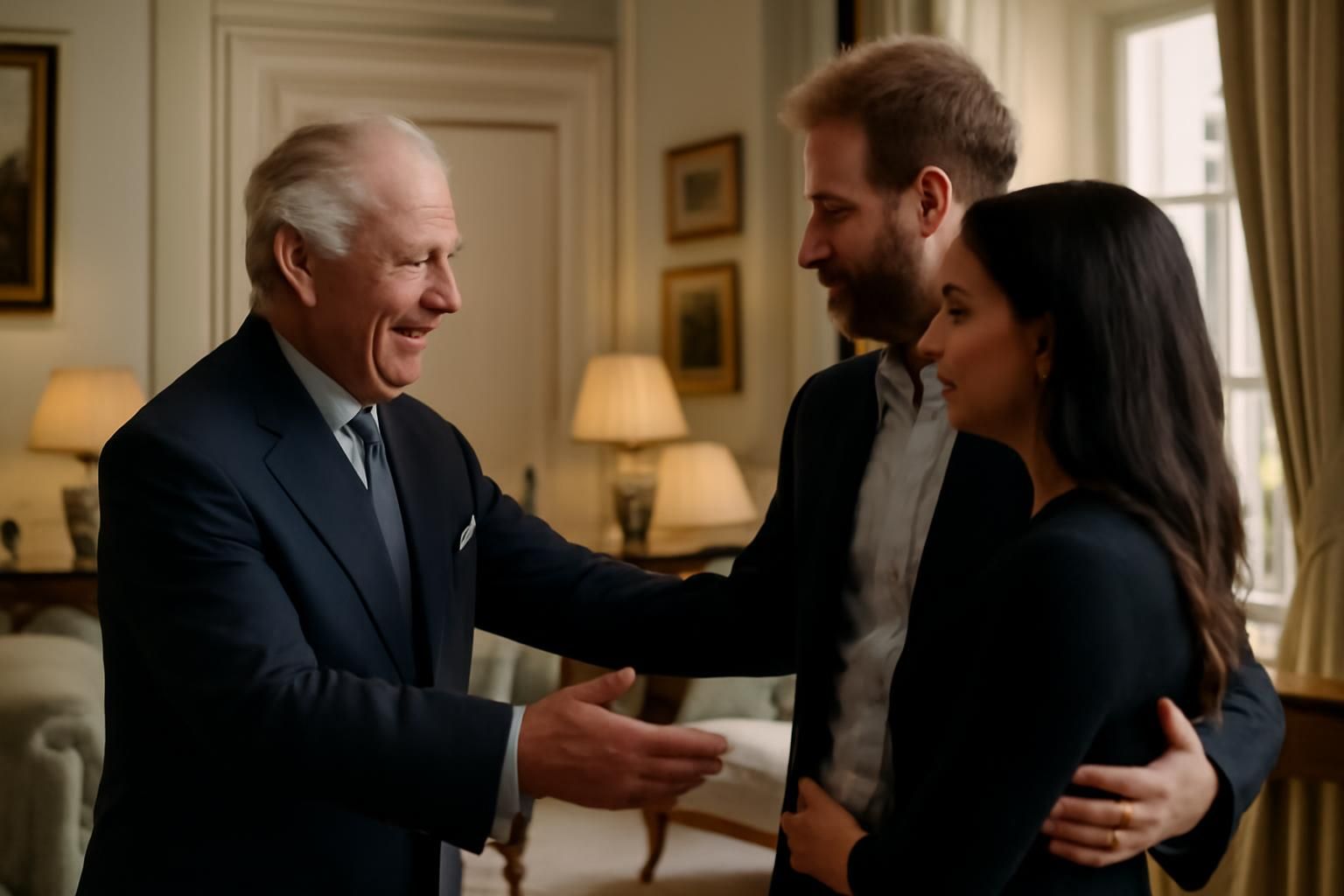
In a momentous occasion that has captivated the attention of the British Monarchy and royal watchers worldwide, King Charles III warmly welcomed Prince Harry, Meghan Markle, and their children, Prince Archie and Princess Lilibet, for a deeply personal family reunion. Taking place at Highgrove House, the king’s private countryside estate in Gloucestershire, this intimate gathering in 2026 marked the first opportunity in over four years that the family has come together in such a private setting.
The reunion is steeped in significance, occurring amid ongoing public interest in the relationships within the Royal Family. It also comes at a time when Prince Harry has returned to the UK for notable charitable engagements, including marking the one-year countdown to the upcoming Invictus Games, the celebrated sporting event founded by Harry himself to honor injured veterans and servicemen. This visit, part personal and part professional, has served as a bridge reconnecting family bonds after years of separation and public scrutiny.
Key points to note:
- King Charles III hosted Prince Harry, Meghan Markle, and their children at Highgrove House, prioritizing a private family occasion.
- This marked the first time in four years the king saw his grandchildren, now aged 7 and 5.
- Prince Harry’s visit to the UK included charity events tied to the Invictus Games and a casual podcast appearance highlighting the importance of sport in resilience.
- Meghan and the children joined Harry after vacationing in Portugal, emphasizing the reunion’s family-focused nature.
- The official royal communications emphasized respect for the family’s privacy, avoiding public images or detailed disclosures.
King Charles III’s Private Hosting at Highgrove House: A Symbol of Family Bonding
Highgrove House, nestled within the beautiful landscape of Gloucestershire, has long been a sanctuary for King Charles III, symbolizing his commitment to tradition, privacy, and family. Its serene gardens and intimate atmosphere made it the ideal venue for this family reunion, underscoring the importance placed on mending and nurturing family relationships away from public scrutiny.
This residence has historically been a place where the king retreats from their public duties to focus on personal matters and sustainable living initiatives, reflecting his values. Hosting the Duke and Duchess of Sussex here elevates the nature of this visit beyond a mere royal protocol; it represents a conscious effort to foster reconciliation and warmth within the family.
Hosting such a private family event at a royal estate also reflects the evolving dynamics within the British Monarchy. It acknowledges the significance of personal connections as integral to public perceptions of the monarchy’s stability and resilience. By welcoming Harry, Meghan, and their children into his home, King Charles bridges physical and emotional distances experienced over recent years since the Sussexes stepped back from official royal duties in 2020.
The king’s gesture can also be seen as an encouragement towards inclusivity and healing, particularly after periods of well-publicized challenges and misunderstandings involving the Duke and Duchess. It sends a clear message that family bonds retain profound importance, regardless of shifting roles within the institution.
Revitalizing Relationships: The Significance of Seeing Grandchildren Again
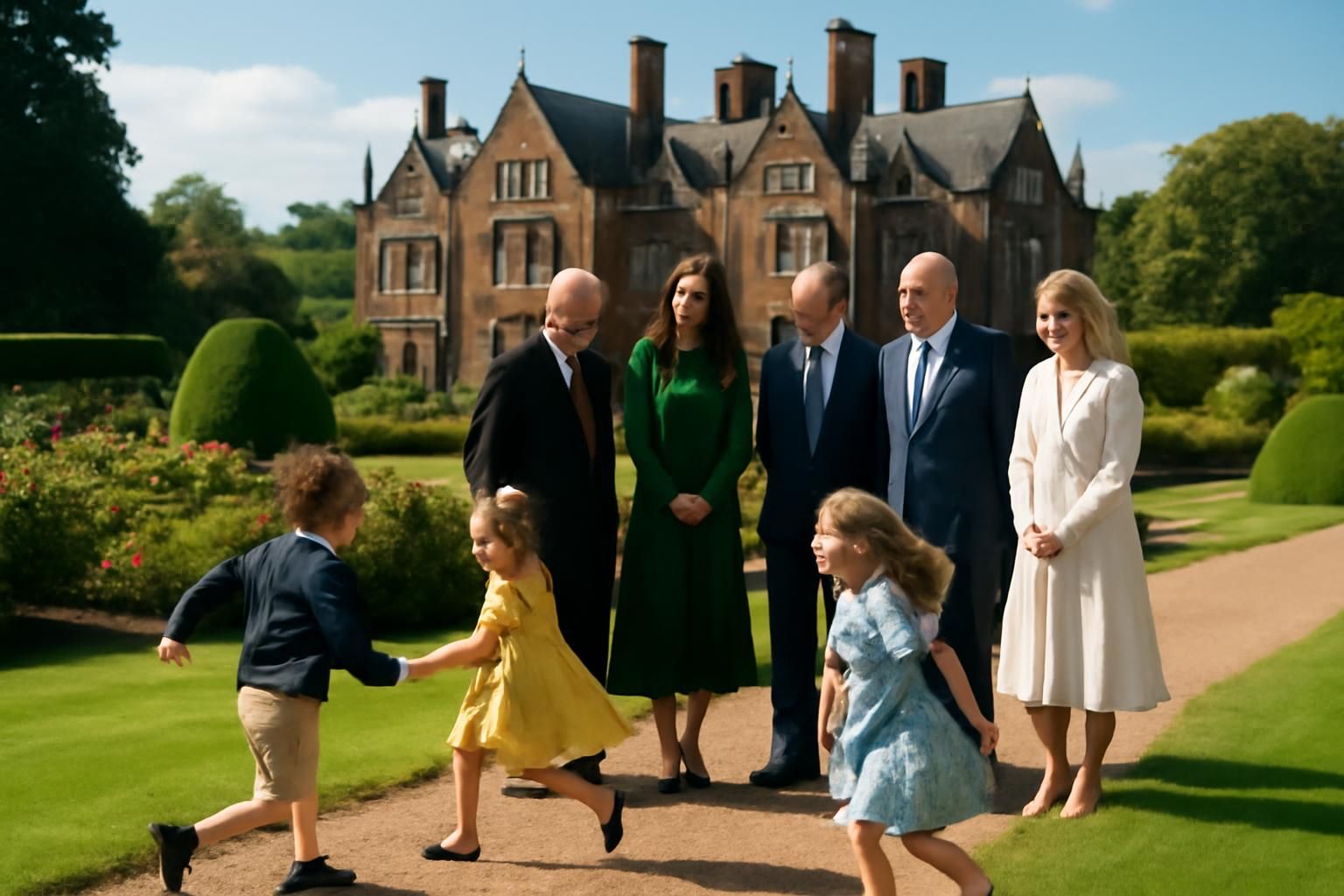
One of the most touching aspects of this reunion was King Charles’s opportunity to see his grandchildren, Prince Archie, 7, and Princess Lilibet, 5, in person for the first time in over four years. These early years are pivotal for familial bonding, and this extended absence has been noted with considerable public empathy and curiosity. The reunion symbolizes a reclaiming of shared memories and intimate connections that distance had obscured.
Grandparents and grandchildren share unique, impactful relationships that contribute deeply to emotional growth and a sense of belonging. For a monarch balancing public duties with family life, moments like this provide not only personal joy but also reinforce the family narrative essential to the royal institution’s continuity.
Moreover, for Harry and Meghan, integrating their children fully into the wider royal family has been a sensitive matter. The Sussexes’ departure from official royal life created an unusual separation; thus, such reunions are more than ceremonial — they are restorative. This visit thus offers an invaluable opportunity for shared experiences, informal interactions, and the kind of familial warmth that social media snapshots and public appearances seldom capture.
It also allows the younger generation of the royal family to grow with a tangible sense of their heritage and family roots, intertwining modernity with tradition. The children’s time spent with their grandfather in a calm, nurturing environment supports emotional development and fosters respect for their ancestry amidst a rapidly changing royal landscape.
Prince Harry’s Charitable Role and the Invictus Games: A Royal Visit with Purpose
While family undoubtedly remained central, Prince Harry’s return to the UK carried important public elements related to his continued dedication to charitable causes. Marking the one-year countdown to the Invictus Games, scheduled to take place in Birmingham in 2027, was a highlight of this visit. The Invictus Games, strongly associated with Harry’s commitment to wounded veterans, exemplify a blending of royal responsibility and personal passion.
During his visit, Harry took part in a pickleball match at the Birmingham venue, showcasing the inclusive and rehabilitative spirit of the games. This engagement not only emphasized the role of sports in recovery and resilience but also brought attention to the 2027 event, reinforcing the UK’s position as host and supporter of veteran welfare initiatives.
His appearance on the podcast of Joe Marler, a former England rugby player, added a relatable and lighthearted touch to the visit. Harry discussed at length the profound impact of sports on healing from trauma, drawing on both his personal experiences and wider veteran narratives. This intersection of public duty and personal advocacy highlights the evolving role of members of the Royal Family in modern philanthropy.
Harry’s activities serve a dual purpose: advancing awareness for critical social issues and nurturing his public persona independently of royal protocol. This dynamic is vital to understanding the significance of his 2026 royal visit.
Meghan Markle’s Role and The Family’s Dynamic: Perspectives on Privacy and Public Life
Although Harry arrived in the UK initially on Monday evening, Meghan Markle and the children were reported to join him later after vacationing in Portugal, where the family owns a residence. This timing allowed the family reunion to remain a private and cherished event rather than an opportunity for a public spectacle, reflecting Meghan’s well-known advocacy for privacy and family-first values.
Meghan’s presence during this reunion, coupled with her children, adds an important dimension to the Royal Family’s evolving narrative. Her journey from American actress to Duchess has been marked by both acclaim and controversy, and her relationship with the British Monarchy remains a focal point for public discourse.
By participating in such a quiet gathering at Highgrove House, Meghan contributed to a narrative of healing and normalcy, symbolizing an incremental thaw in some of the family tensions experienced over recent years. It also demonstrates the family’s willingness to respect boundaries and prioritize emotional connections over public attention.
Her role as a mother and mother-in-law in this context becomes particularly significant. Bridging cultural and generational divides within the Royal Family, Meghan navigates complex dynamics while advocating for mental health, equality, and openness. This reunion exemplifies how such personal interactions can support wider diplomatic efforts within a royal framework.
Family Reunion as a Turning Point in Royal Relations: Strained History and New Beginnings
The family reunion is widely seen by insiders and media as a notable moment in the ongoing evolution of relationships within the British Monarchy. Since Harry and Meghan’s stepping back from official royal roles in 2020, tensions and speculations about divides within the family have made headlines regularly.
This meeting, described officially as a “private family occasion,” signals a potential thaw and willingness to embrace reconciliation. It exemplifies that despite past misunderstandings and public disclosures, the core of these relationships is family — with all the complexities, challenges, and desires for connection that entails.
Observers highlight that the reunion does not represent a political truce or surrender but rather a personal gathering focused on shared humanity and family ties. It aligns with broader shifts within the monarchy, acknowledging the need to adapt to contemporary values and the importance of emotional wellbeing alongside royal duty.
This delicate balance, seen in how the event was handled quietly and respectfully by Buckingham Palace, indicates a strategic and heartfelt approach to family dynamics that may shape future interactions and public perceptions.
Table: Key Milestones of the Royal Family Reunion at Highgrove House
| Date | Event | Significance |
|---|---|---|
| July 10, 2026 | Family reunion at Highgrove House | First in-person meeting of King Charles with Harry’s family in over four years |
| 2020 | Harry and Meghan step back from royal duties | Marking a shift in royal family dynamics and public relations |
| 2022 | Harry attends Queen Elizabeth’s funeral | Significant public royal event involving family reunion efforts |
| 2023 | Harry attends King Charles’s coronation | Demonstrates continuity within the monarchy |
| July 10, 2026 | Harry participates in Invictus Games countdown events | Combines royal duties with personal charity work |
The Role of Media and Public Perception in Royal Family Gatherings
Media coverage around royal family reunions often walks a fine line between public interest and intrusion. In this case, Buckingham Palace’s careful management of communications reflected a desire to protect the intimacy of family bonds while addressing unavoidable public curiosity.
The absence of official images or detailed public statements emphasizes the royal family’s intent to keep the reunion private. This discretion suggests an awareness of the potentially volatile nature of public opinion and the media’s role in shaping narratives about the monarchy.
At the same time, limited revelations about the reunion – such as confirmations of attendance and brief overviews – help frame the event positively, focusing on family and healing rather than conflict. This balance illustrates sophisticated media strategy in royal public relations, aiming to maintain respect for individual privacy while fostering a favorable image.
For the British public and global followers of the royal family, such events stoke hopes for renewed unity and forward-looking cohesion within the monarchy, a theme central to its modern longevity and relevance.
List of Notable Aspects from King Charles’s Reunion with Harry and Meghan
- Intimate setting: The private nature of the reunion underscores the family-first approach.
- Generational bridges: Importance of reconnecting across generations, especially with the young grandchildren.
- Charitable engagement: Harry’s continued focus on philanthropy, particularly through the Invictus Games.
- Privacy over publicity: Deliberate management of the event to shield it from public spectacle.
- Media strategy: Careful communication to maintain dignity and positive public perception.
- Healing and reconciliation: The familial warmth despite public differences.
- Royal tradition meets modernity: Balancing heritage with evolving family dynamics.
What was the primary occasion for Harry’s visit to the UK in 2026?
Prince Harry returned to the UK primarily to mark the one-year countdown to the Invictus Games scheduled in Birmingham for 2027 and to participate in related charitable events.
Why was Highgrove House chosen for the family reunion?
Highgrove House is King Charles III’s private country residence, offering a serene, secure, and intimate setting perfect for a private family gathering.
How significant was the reunion for the grandchildren?
It marked the first time in over four years that King Charles saw his grandchildren, Prince Archie and Princess Lilibet, enhancing family bonds that are crucial during early childhood.
How did the media handle the coverage of the reunion?
Media coverage was carefully managed to respect the privacy of the royal family, with no official images released and a focus on framing the event as a family-centered, private occasion.
What role does sport play in Prince Harry’s charitable work?
Sports serve as a vital tool in promoting recovery and resilience among injured servicemen and veterans, a central theme of the Invictus Games and Harry’s philanthropic efforts.