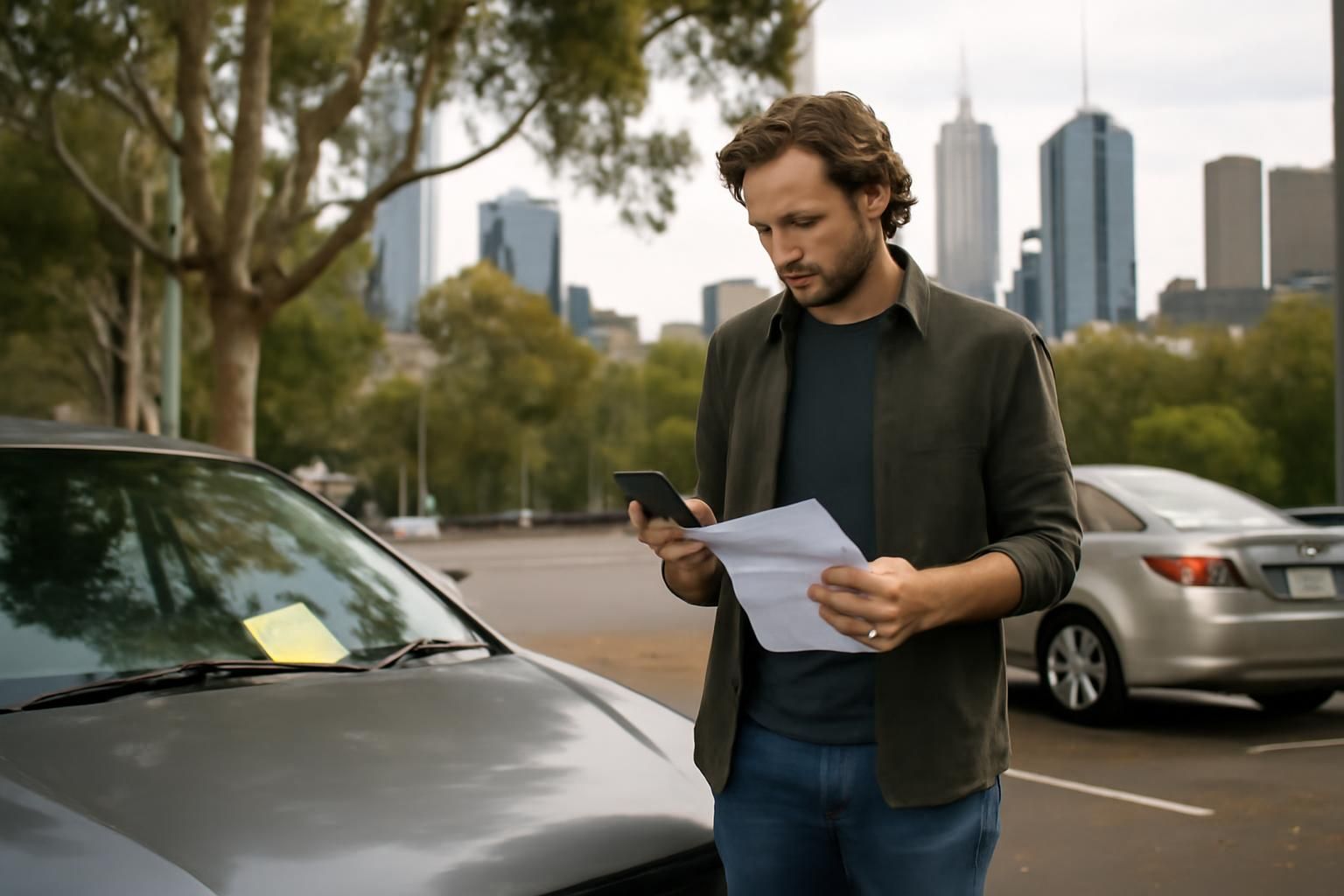
In Australia, receiving a parking fine can feel both frustrating and overwhelming, especially when unsure about whether to accept the penalty or challenge it. The city streets and suburban zones are riddled with parking regulations that can easily trip up both locals and visitors alike. Yet, 2026 has seen an increase in awareness about the legal rights of motorists when contesting parking fines. Understanding the nuances of the appeals process can empower drivers to save money and avoid unwarranted penalties.
Many Australians are not fully familiar with the detailed steps involved in disputing parking tickets or other penalty notices under the country’s traffic laws, which vary across states and territories. This article explores when contesting a parking fine is worth the effort, the typical grounds for appeal, how to gather evidence effectively, and the dispute resolution procedures you should consider. In doing so, it also highlights essential practical advice alongside resources like LegalVision’s 5-step guide and support tools such as uplaw.ai that can assist you in navigating the process.
Key points at a glance:
- Parking fines are just one category of penalty notices that can be legally challenged in Australia.
- Each state offers distinct avenues for internal reviews or court elections to dispute fines.
- Successful appeals often hinge on evidence gathering and demonstrating procedural errors or exceptional circumstances.
- Appealing fines can sometimes lead to fine reduction or complete dismissal if strong grounds exist.
- Free tools and legal resources are available to guide motorists throughout the dispute resolution journey.
Understanding the Legal Landscape of Parking Fines Across Australia
Australia’s traffic laws encompass a broad spectrum of infringement notices, extending beyond parking fines to include public transport fare evasion, liquor, public order, and other regulatory penalties. What remains consistent across states and territories, however, is the right granted to individuals to challenge any such fines via either an internal review or through a formal court hearing.
For instance, in New South Wales, if you believe a parking fine was wrongly issued, you can lodge an internal review request through Revenue NSW within 60 days of receiving your fine. Similarly, Victoria handles appeals through Fines Victoria, with a stricter 28-day timeframe to initiate the process. Queensland’s State Penalties Enforcement Registry (SPER) and Western Australia’s Fines Enforcement Registry (FER) provide analogous services for their respective regions.
These review requests often require stating specific grounds, which differ slightly by jurisdiction but generally include factors such as:
- Exceptional circumstances: Medical emergencies or car breakdowns that prevented compliance.
- Errors in issuing the fine: Misidentification of the driver or vehicle, incorrect infringement details.
- Inadequate or unclear signage: Poorly visible parking restrictions or missing signs.
- Procedural mistakes by the issuing officer: Incorrect ticketing protocols or documentation errors.
These legal frameworks ensure that individuals in Australia are not merely passive recipients of fines but active participants in a structured appeal process that respects their legal rights while promoting fairness.
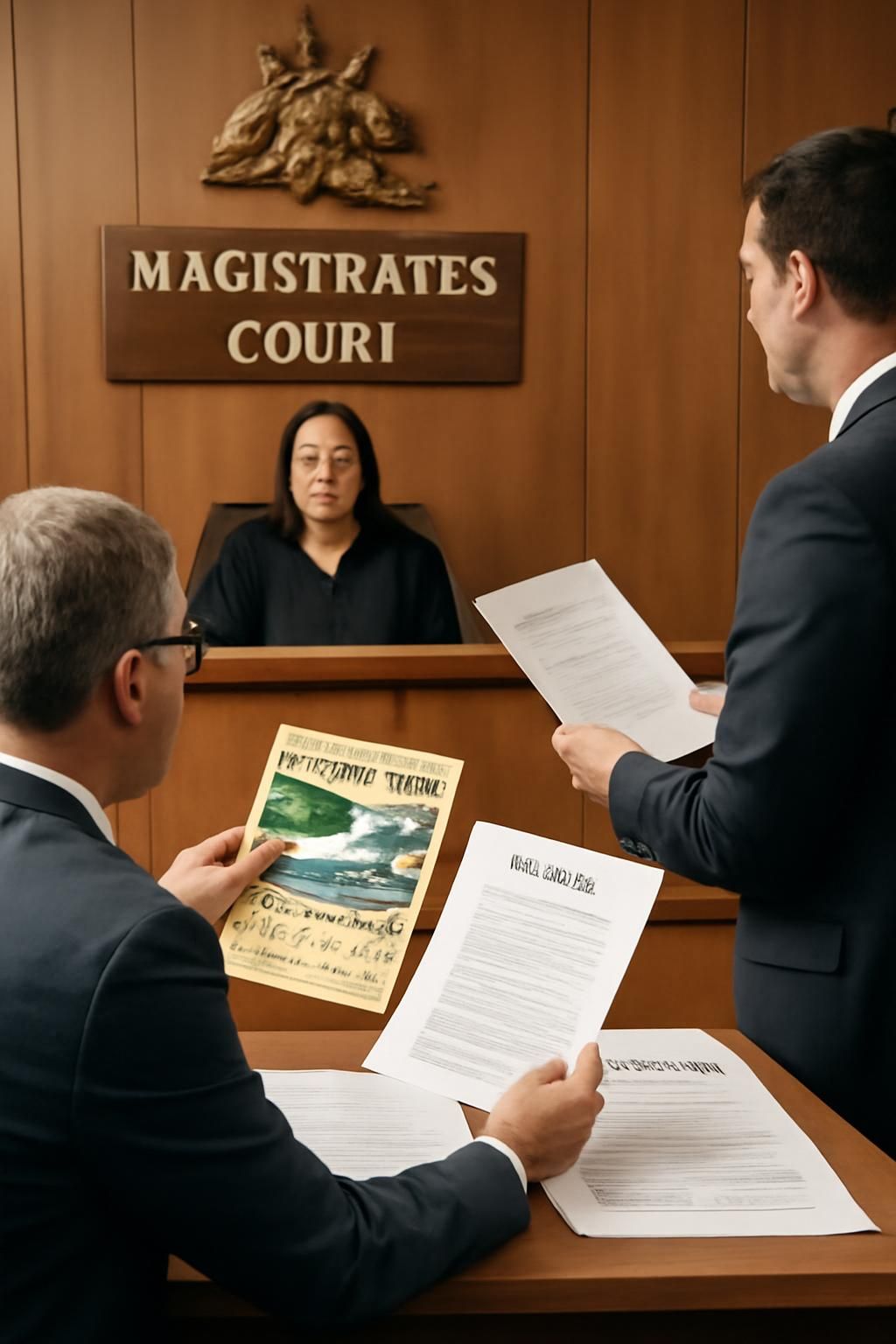
Understanding which route to take — internal review or electing for court — is crucial. Opting for a court hearing directs your case to a Magistrates’ or Local Court, where the issuing authority must prove that the offence occurred beyond reasonable doubt. This judicial scrutiny provides a valuable avenue for those convinced of their innocence or those who believe they have compelling evidence to support their claim. The process can be initiated without legal representation and typically involves presenting witness testimony, photographs, or medical certificates as evidence to support your case.
By navigating these systems smartly, Australians can enhance their chances of either reducing their fines or outright dismissal, thereby conserving finances and safeguarding their driving records.
Effective Evidence Gathering for Contesting Parking Fines
One of the most critical steps to successfully contesting a parking fine in Australia is assembling persuasive evidence. The strength of your case often depends on how clearly and convincingly you can demonstrate errors or exceptional circumstances related to your fine.
Common forms of proof include:
- Photographs: Showing the parking signs (or lack thereof), your vehicle’s position relative to permitted zones, or any conflicting information that was present at the time.
- GPS Data and Timestamp Information: This can corroborate your version of events, such as whether your vehicle was actually parked illegally or if you were moving at the time the fine was issued.
- Witness Statements: Accounts from passersby, passengers, or others that observed the situation and can testify that you did not violate parking regulations.
- Medical Certificates or Emergency Records: If a sudden health issue prevented you from complying with parking rules, these documents provide essential context for your appeal.
Additionally, verifying the accuracy of the fine notice itself can expose mistakes that support your appeal. Common errors include wrong vehicle make, incorrect date or time, or the ticket issued to a different vehicle entirely.
Organizing this evidence systematically is crucial for an effective submission during both internal reviews and court hearings. Detailed documentation paired with a clear narrative explaining the circumstances behind the fine tends to resonate well with reviewing authorities and magistrates alike.
If you seek further guidance on how to prepare this evidence and which will carry the most weight in your jurisdiction, reputable online resources such as Parksy’s step-by-step guide provide comprehensive advice tailored for Australian motorists.
When Contesting a Parking Fine is Worth the Effort
Not all parking fines are worth disputing, especially if the evidence supporting your claim is weak or if the fine amount is minimal relative to the effort required. However, there are distinct scenarios when contesting a parking fine is undeniably beneficial.
Cases Worth Contesting
- Mistaken Identity: If you were not the driver of the vehicle at the time or the details on the infringement notice are incorrect, challenging the fine is often justified.
- Unclear or Absent Signage: Parking signs that are hard to see or absent altogether often render fines invalid.
- Procedural Errors: Any mistakes made by parking officers or authorities in the issuance of the fine.
- Exceptional Hardship or Emergencies: Medical or other urgent circumstances that made parking compliance impossible.
- Repeated Offenses: When contesting multiple fines accumulated from ambiguous signage or unfair enforcement policies.
In these contexts, contesting a fine can lead to not only outright dismissal but also fines being reduced, saving time, money, and possible damage to your driving record.
When to Avoid Contesting
Conversely, if you acknowledge wrongdoing without mitigating factors, or the evidence clearly supports the fine, paying promptly can avoid hefty penalty increases through fine escalations. Numerous state enforcement registries (such as Revenue NSW and Fines Victoria) escalate unpaid fines into enforcement actions — wage garnishments and license suspensions being among the harshest consequences.
Choosing to pay on time or entering a payment plan might be more pragmatic, especially since all states provide options to request installment arrangements or community service work alternatives for those facing financial hardship.
Further information on suitable grounds for appeals and guidance on effective contesting strategies can be found via trusted legal platforms like LegalVision’s expert Q&A series.
Step-by-Step Guide to the Parking Fine Appeal Process
Understanding the formal process of contesting a parking fine makes the journey less intimidating and more manageable. The essential steps typically involve:
- Check the Fine Details: Confirm the accuracy of dates, times, vehicle information, and the nature of the alleged offence.
- Decide Whether to Request an Internal Review or Elect for Court Hearing: Each state’s enforcement authority provides instructions, and often you have limited time (28 to 60 days) to make this decision.
- Gather Supporting Evidence: Follow the guidelines to collect photos, documents, and witness statements pertinent to your appeal.
- Submit Your Appeal or Election Form: Use the respective online portals such as Fines Victoria dispute platform or NSW’s Service NSW interface.
- Prepare for a Court Hearing if Necessary: This involves organizing your case clearly and sourcing any witnesses. Representation by a lawyer is optional but can be advantageous in complex disputes.
Following this framework not only increases the chances of a positive outcome but also helps avoid the pitfalls of missing deadlines or submitting incomplete information. Armed with knowledge and practical advice, even novice appellants can approach the dispute resolution process confidently.
| Step | Description | Typical Timeframe | State Examples |
|---|---|---|---|
| Submit Internal Review Request | Apply for council or authority to reconsider your fine based on grounds provided | 28 to 60 days | NSW, VIC, QLD, WA, SA |
| Elect for Court Hearing | Choose to contest the fine formally in a local magistrates’ court | Immediately after fine notice or internal review refusal | Most Australian states |
| Gather Evidence | Collect photos, witness statements, medical or GPS data to support appeal | Before submitting appeal forms or court appearance | Nationwide |
| Court Hearing | Presentation of the offence evidence and your defense before magistrate | Scheduled by court after election | Nationwide |
Understanding Possible Outcomes and Further Legal Options
When disputing a parking fine in Australia, the resolution pathway varies notably depending on the review authority or court verdict. If proving your innocence or justifiable circumstances succeeds, the fine can be dismissed in full, sparing you financial penalties and demerit points associated with the offence.
However, in cases where the court finds the offence proven, it might impose a different penalty, potentially lower or higher than the original fine. For drivers facing demerit point suspensions, challenging through the Local Court offers a chance to request substitutions like a good behaviour period, which protects their licence.
It’s also important to note that failing to pay your fine or ignoring enforcement notices escalates the matter to state penalty enforcement registries. These agencies have considerable powers including wage garnishments, asset seizures, and licence suspension actions. Thus, lodging an internal review or court election before the due date is critical to avoid such consequences.
For assistance at any point in the contesting process, innovative solutions like uplaw.ai’s fine challenge tool provide personalized advice, helping you craft compelling submissions, whether pursuing internal reviews or court cases. This technology significantly lowers barriers, making it easier for Australians to assert their rights and navigate complex legal requirements.
Can I contest a parking fine if I wasn’t driving the vehicle?
Yes, you can contest the fine by providing evidence that someone else was driving or that you were not responsible for the vehicle at the time the fine was issued. This is a common ground for appeal across all Australian states.
How long do I have to request a review or appeal a parking fine?
Most states allow 28 to 60 days from the date the fine is issued to request an internal review or elect to have the matter heard in court. It is important to check your state-specific deadlines to avoid missing the opportunity.
What kind of evidence is most effective in contesting a parking ticket?
Photographs of the parking area and signage, witness statements, GPS or timestamp data from your vehicle, and any medical or emergency documentation can strongly support your appeal.
Can I represent myself in court when disputing a parking fine?
Yes, you can appear in person without a lawyer to present your case; however, legal representation is optional and may be beneficial in complex cases.
What happens if I ignore my parking fine in Australia?
Ignoring the fine leads to a penalty reminder notice, additional fees, and potentially enforcement action by state agencies, including wage garnishment and licence suspension. It is crucial to respond within stipulated deadlines.