Minor car accidents can disrupt your day and lead to unexpected complications if you don’t know how to respond properly. In 2026, with traffic becoming ever more congested and road safety a growing concern, understanding the essential steps after a minor collision is crucial for every driver. Knowing exactly what information to exchange, when it’s necessary to call police, and how to protect your rights can help you navigate what might otherwise become a stressful and confusing situation. This article breaks down these critical actions in detail, helping you remain composed and informed if you ever find yourself in such a scenario.
Briefly, key points to remember after a minor car accident include prioritizing safety first, exchanging the right details such as driver license information and insurance data effectively, determining when to call police especially when injuries or notable vehicle damage occur, and understanding how to file an accident report properly. These actions not only safeguard your well-being but also streamline any insurance claims or legal processes that may follow. Throughout this guide, insightful examples, practical checklists, and resources tailored to Ohio drivers will deepen your preparedness.
Essential Immediate Actions After a Minor Car Accident: Safety First and Details to Exchange
When a minor car accident happens, your first priority must always be safety first. This means assessing the scene to ensure that all parties are out of immediate danger before worrying about vehicle damage or legal matters. Moving vehicles out of traffic lanes, if possible, prevents further collisions, and turning on hazard lights signals to other drivers to slow down. Even if the collision seems trivial, checking for injuries is imperative—sometimes shock or delayed pain masks injuries that require prompt medical attention.
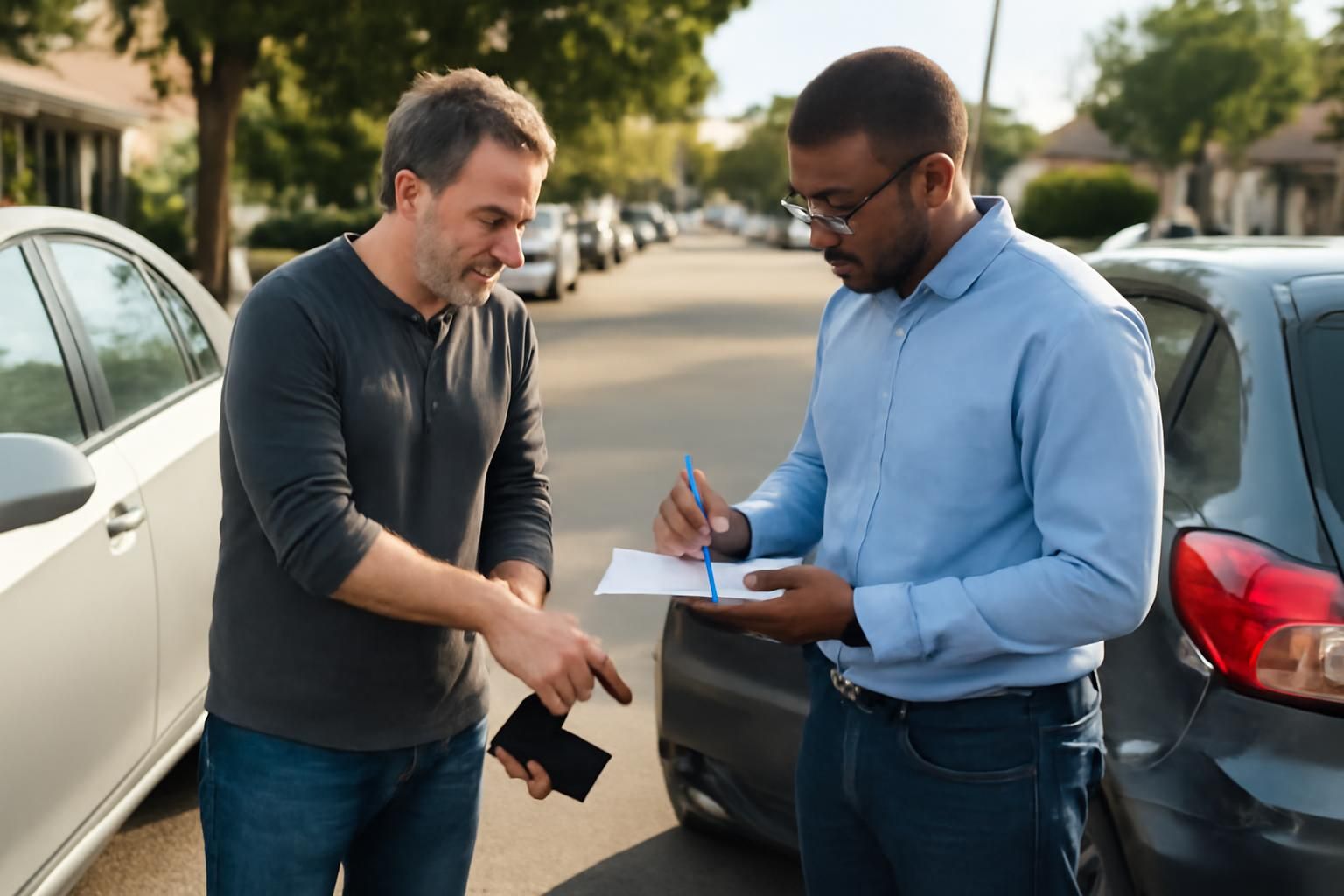
Once safety is assured, the important task of exchanging critical information begins. The details to exchange go beyond simple phone numbers or names. You should collect and verify the following from the other driver:
- Full name and contact information
- Driver license number and issuing state
- Insurance information including company and policy number
- Vehicle registration and description
- License plate numbers
- Any visible vehicle damage details
This thorough exchange helps both parties and insurance agencies accurately document the incident, facilitating smoother claims. Taking photos at this stage of the vehicle damage, surroundings, and even witness information can significantly strengthen your position in any subsequent proceedings.
For example, consider a situation where two drivers have a minor fender-bender but one insists the other was at fault. If the driver who suffered damage captured clear images of the license plate and vehicle dents along with the driver license and insurance details, their insurance company would process the claim more swiftly. This demonstrates why your diligence in gathering details early matters immensely.
Understanding when a situation remains a minor accident versus when it demands additional steps is also linked closely to the details gathered. More severe damage, injuries, or disagreements often require official intervention, making the knowledge of when to call police indispensable.
When to Call Police After a Minor Car Accident: Legal Requirements and Practical Considerations
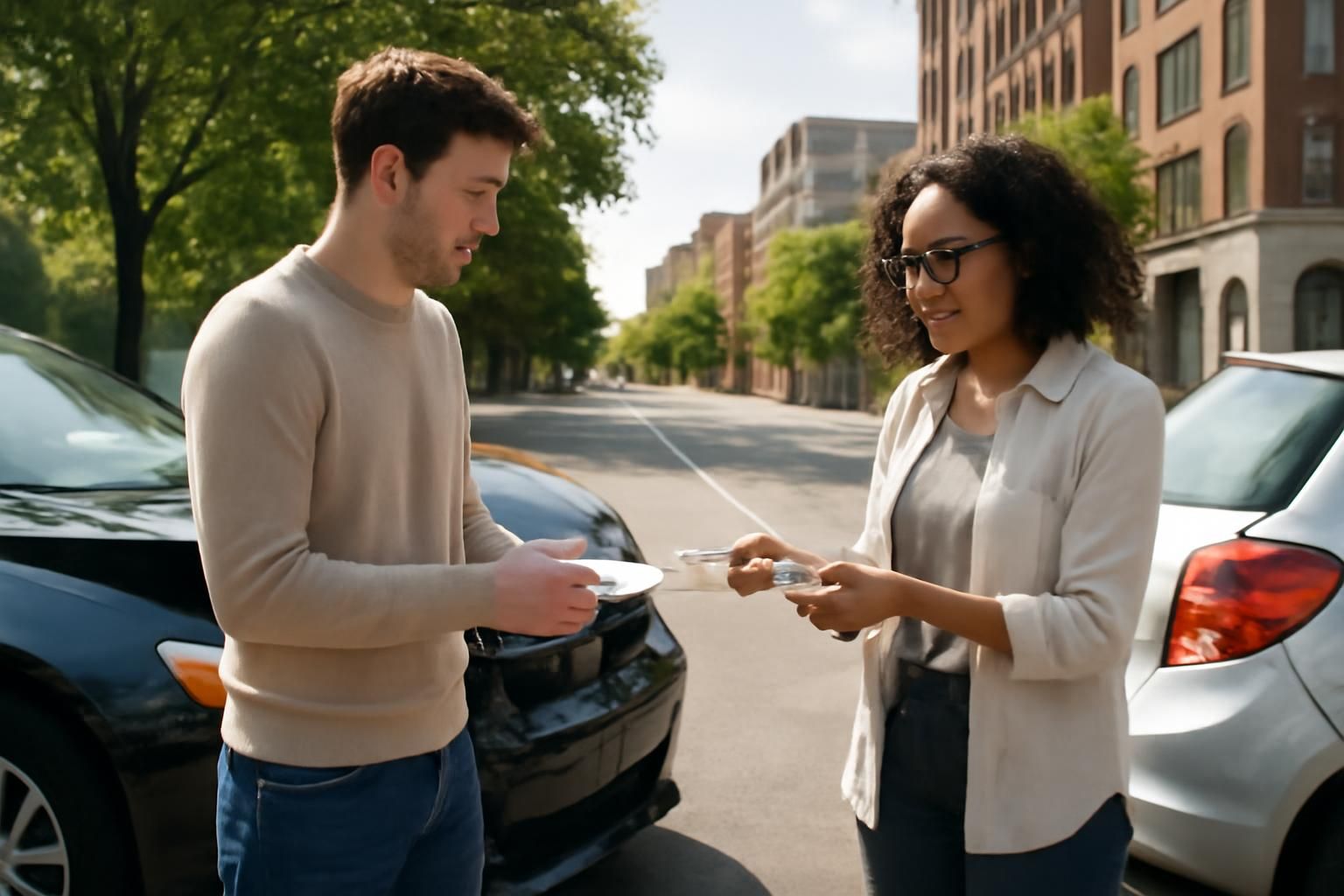
Not every minor car accident requires police involvement, but understanding when to call police can save you from future complications. In Ohio, including Columbus, calling police is necessary if the accident involves:
- Injuries to any person – even minor ones
- Significant vehicle damage that affects drivability or safety
- Property damage exceeding a certain value
- Disagreements over fault or unclear circumstances
Police “accident reports” provide formal documentation that can be critical for insurance settlements and legal actions. Officers from the Columbus Division of Police often respond to minor collisions in the city, documenting facts, capturing witness statements, and enabling affected individuals to obtain an official accident report later. This report serves as a credible, unbiased record supporting your claim and defending your rights.
Even in instances where it’s legal to forgo calling police — such as very minor fender-benders with no injuries and little vehicle damage — you should still be cautious. Gathering detailed witness information while on scene can be invaluable if disputes emerge later. Also, remember never to admit fault or apologize at the crash site, as such statements can be misconstrued.
For drivers uncertain about reporting requirements or where to file a police report after collisions in Ohio, resources like where to file a police report for a car accident in Ohio offer legal guidance, ensuring you follow state laws correctly. Maintaining knowledge about your legal responsibilities after an accident is essential for protecting your rights and staying compliant with Ohio regulations.
For example, a driver involved in a minor collision with no visible injuries may decide not to call police. However, if the other party later claims serious damage or personal injury, the absence of an accident report can complicate insurance negotiations. This situation underscores the wisdom of considering a police report, even in minor cases.
How to Collect and Document Crucial Evidence Post-Accident Including Witness Information and Vehicle Damage
After ensuring safety and exchanging insurance information with the other driver, documenting your accident comprehensively is the next step to protect your interests. The physical and testimonial evidence collected at the scene plays a vital role when dealing with insurance companies or if a legal dispute arises.
Photographs and Videos as Key Evidence
Mobile devices today provide an excellent tool to take high-quality photographs and videos. Efficiently capturing the accident scene includes photographing:
- All angles of vehicle damage on your car and the other vehicle
- License plates and driver license details if possible
- Any relevant traffic signs, signals, or road conditions influencing the accident
- Nearby skid marks, debris, or other physical clues
- Faces and names of witnesses ready to provide statements
Clear visuals can illustrate the severity and context of the accident better than words alone. They also provide insurance adjusters and lawyers with a factual basis to assess claims fairly.
Note-Taking for Incident Details and Witness Information
In addition to visual evidence, detailed written notes should cover:
- Date and time of the accident
- Exact location including street names or landmarks
- Weather and lighting conditions
- Descriptions of how the accident occurred from your perspective
- Contact information of any witnesses including phone numbers and email
Witnesses provide unbiased accounts that can support your version of events. If someone observes the accident, politely request their contact details and consent to be a witness should the case be disputed.
| Type of Evidence | Purpose | Examples |
|---|---|---|
| Photographic | Supports damage claims and scene conditions | Vehicle dents, traffic signals, skid marks |
| Written Notes | Chronicle accident timeline and environment | Time, place, weather, accident description |
| Witness Information | Provides unbiased third-party accounts | Names, contacts, statements |
Following these documentation procedures often distinguishes a smooth insurance claim from a prolonged dispute. The collected vehicle damage details, witness information, and other evidence collectively form a robust case to present to your insurer or lawyer.
Filing and Obtaining an Accident Report in Columbus, OH: What Every Driver Should Know
Filing an accident report is a crucial step in officially documenting the incident. In Columbus, OH, obtaining your official accident report is necessary for insurance and legal proceedings. The police report compiled by responding officers records essential details, including the parties involved, accident conditions, and witness statements.
The process for getting a police report in Columbus involves several options:
- Online through the Ohio Department of Public Safety Crash Report Portal
- In person at the Columbus Division of Police Records Unit located at 120 Marconi Blvd
- Via mail request to the Columbus Police Records Unit
Knowing your rights and how to navigate these options can speed up retrieval. You should also ask the responding officer for the crash report number and their badge number at the scene to avoid delays.
For drivers unfamiliar with this process, the resources at how to file a police accident report in Columbus provide clear guidance on necessary procedures. Having the accident report ensures your insurance company and any legal representatives have the most accurate information required for your case.
Additionally, filing the report fulfills legal obligations required by Ohio law, especially in accidents involving injury or significant property damage. Failing to report an accident when required can lead to legal consequences, including fines or even criminal charges.
Understanding Insurance Notification and Claims After Filing an Accident Report
Once you have your accident report, promptly contacting your insurance company is key. Providing comprehensive accident details and the official report number assists your insurer in processing claims efficiently and fairly. Reviewing your insurance information ahead of time helps set expectations regarding coverage, deductibles, and timelines.
In many cases, your insurance adjuster will request additional documentation or clarification, so staying organized is essential throughout the process. Keeping records of vehicle damage estimates, repair expenses, and medical bills if any injury occurred, complements the police report in substantiating your claim.
| Step | Importance |
|---|---|
| Receive Police Report Number and Officer Info | Aids in quick retrieval and follow-up |
| Obtain Official Crash Report | Legal proof of incident details and insurance claims |
| Report Accident to Insurance Company | Starts claims process and secures coverage |
Consulting Legal Assistance and Medical Experts After a Minor Accident: Protecting Your Rights and Health
Visiting a medical professional should never be overlooked after any car accident, even a minor one. Some injuries, such as whiplash or internal trauma, might not manifest symptoms immediately. Prompt medical evaluation not only assists in timely treatment but also creates an official record of any injuries sustained, supporting potential personal injury claims.
Furthermore, contacting a knowledgeable attorney specializing in Ohio car accident law can provide valuable guidance. Experienced legal counsel understands the complexities of accident claims, insurance negotiation, and when to escalate a case to litigation if necessary. If disputes arise, or the other party lacks proper insurance, having an attorney ensures your legal rights are safeguarded from the outset.
Law firms like Kitrick, Lewis & Harris stand ready to assist clients with accident investigations, insurance negotiations, and courtroom advocacy. Their involvement can simplify the post-accident journey, allowing those affected to focus on recovery while professionals manage legal intricacies.
Remember, even minor accidents can lead to hidden complications. Protecting both your immediate and long-term interests requires a multi-faceted approach combining medical care, legal advice, proper documentation, and timely insurance communication. Each step reinforces your position should you need to claim compensation or defend against unwarranted fault allegations.
What details should I exchange after a minor car accident?
You should exchange names, contact information, driver license numbers, insurance details, vehicle registration, and note any visible vehicle damage. Gathering witness information is also important.
When is it necessary to call the police after a minor car accident?
Call the police if there are any injuries, significant vehicle damage, property damage beyond a certain value, or disputes about who is at fault. Otherwise, it may not be mandatory, but reporting can still be beneficial.
How can I obtain the accident report in Columbus, OH?
You can get the official police accident report online through the Ohio Department of Public Safety Crash Report Portal, in person at the Columbus Police Records Unit, or by mailing a request to the same office.
Why is medical evaluation important after a minor car accident?
Medical evaluation can identify injuries not immediately apparent. It also provides documentation that supports injury claims and ensures you receive necessary treatment.
Should I consult a lawyer after a minor accident?
Consulting a lawyer is advisable if there are injuries, significant damages, disputes about fault, or if the other driver is uninsured. An attorney can protect your legal rights and handle insurance negotiations.