
Certified copies of documents have become an essential part of formal processes worldwide, serving as reliable substitutes for original records in legal, administrative, and everyday transactions. The accurate certification of a copy not only authenticates it, but also protects the integrity of the original document by preventing its unnecessary handling. As the demand for securely verified document copies increases due to the rise in digital transactions and remote work environments, understanding who can certify these copies and the specific wording required during certification has never been more crucial. Several authorities, such as notary publics, lawyers, and government officials, hold the power to certify copies, but their roles can vary widely based on jurisdiction and the nature of the document. This complexity, paired with evolving legal frameworks, illustrates the indispensable role of proper document certification in today’s interconnected world.
In brief:
- Certified copies are essential for legal and administrative integrity.
- The authority to certify depends on local laws and document types.
- A Notary Public is often the primary certifier but may face restrictions for vital records.
- The certification wording must clearly state the authenticity of the copy versus the original.
- Understanding document verification processes ensures valid and accepted certified documents.
Certification Authorities: Who Has the Legal Power to Certify Document Copies?
In 2026, the authority to certify a copy of an original document remains governed largely by state or country-specific laws, making the role of certification authorities pivotal and nuanced. The most recognized figure in the document certification process is the Notary Public, who often holds exclusive rights to authenticate copies of various documents. However, notaries are sometimes restricted from certifying certain types of records like birth certificates, marriage licenses, or naturalization papers due to legal protections or copyright claims.
Besides notaries, other professionals can also act as certifiers depending on local legislation, including lawyers, judges, government clerks, or officials tasked with maintaining public records. For private documents, copy certification by document custodians is another avenue, where the person in possession of the original verifies the authenticity of the photocopy under oath. For instance, in states like California, while notaries cannot certify vital records, they may certify copies of passports, driver’s licenses, and other government-issued IDs, provided the custodian consents.
Financial institutions and banks often employ employees qualified to offer notary or certification services as well. These bank officials, acting as certification authorities, facilitate certification for clients but may require the individual seeking certification to be a customer or pay a nominal fee. Other professionals authorized to certify copies can include licensed accountants, chartered accountants, teachers, and ministers of religion, especially for documents linked to educational, religious, or financial matters.
Generally, the certification process involves a review of the original document juxtaposed to the copy, followed by a written attestment or stamp by the authorized person that the copy is a “true copy” or “certified to be a true copy of the original.” It is crucial that the certifier is impartial and authorized under law; self-certification by the document holder is typically invalid and can result in rejected submissions or legal issues. To explore further about the role of notaries and various authorities, readers can visit LegalKnowledgeBase or review specific governmental guidelines pertaining to document certification.
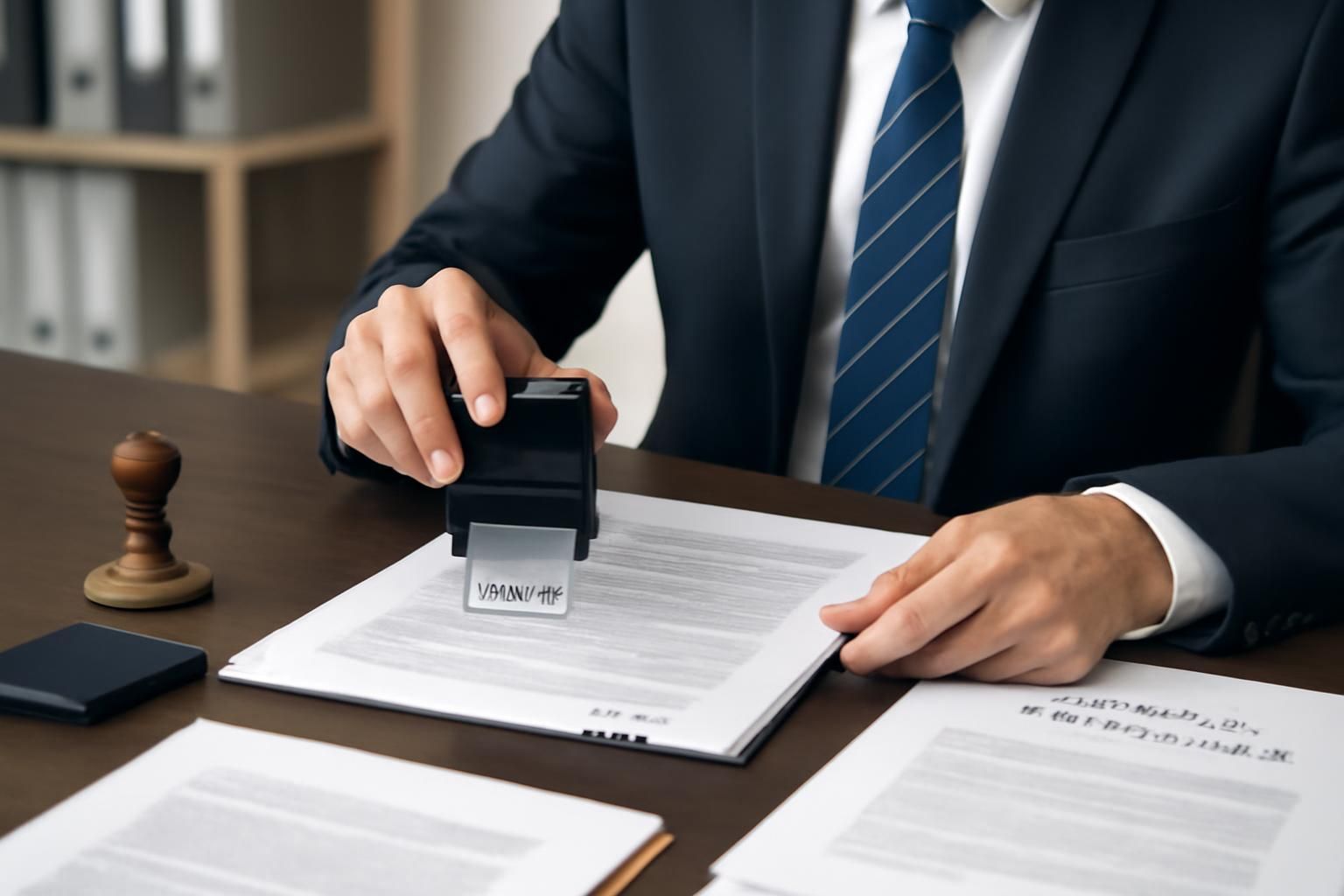
Certified Document Requirements: Elements that Must Be Included in Certification
Certifying a document copy goes beyond merely attaching a stamp or signature. Stringent certified document requirements govern each certification to preserve legal validity and prevent fraud. A valid certified copy must include multiple key components neatly captured in the certification wording.
First, an explicit statement that confirms the document is a true, complete, and accurate copy of the original must be clearly written or stamped. Typical phrases include “Certified to be a true copy of the original seen by me” or similar affirmations, leaving no ambiguity about the scrutiny applied to the original. The date of certification must also appear prominently to document the exact time the verification occurred.
Secondly, the certifier’s original signature is essential, providing personal accountability. Alongside the signature, the printed or typed name of the certifier, their official title (such as Notary Public or Lawyer), and their contact details are standard inclusions. This information is critical if follow-up verification is necessary for any future disputes or clarifications. Some jurisdictions also require the certifier’s official seal or stamp, which acts as an additional safeguard.
Thirdly, certifications that accompany multi-page documents need to reference the total number of pages certified to ensure completeness. This prevents fraudulent additions or omissions in subsets of documents. Additionally, the certifier must indicate if any copies are redacted or contain confidential information to avoid misuse.
Understanding these elements is especially important for professionals involved in document handling. For example, in legal settings, courts may reject certified copies missing details like the certifier’s seal or the date, undermining case preparations. For those unfamiliar with these requirements, resources such as The Ultimate Guide to Certified Copies provide detailed instructions and samples to ensure compliance with current practices.
Checklist: Essential Information on a Certified Copy
- Clear statement verifying it is a true copy of the original
- Date of certification
- Signature of the certifying officer
- Printed name and official position of the certifier
- Official seal or stamp, where applicable
- Reference to the number of pages certified
- Notation for any confidentiality or redactions
Document Certification Practices: How to Properly Authenticate Copies
The process of document certification starts with an original record and involves the creation of a copy that must be authenticated by an authorized official. The certifier compares the original document with the photocopy to ensure accuracy and completeness. Any inconsistencies found disqualify the copy from official certification to avoid fraudulent representation.
One challenge in 2026 is distinguishing between various types of certified copies. A certified true copy differs from a notarized document because the former simply affirms that the copy matches the original, while notarization may involve witnessing a signature or official acts related to the original’s use. Moreover, rules about which documents can be certified vary: vital records like birth certificates cannot be certified by notaries in many areas and require official certified copies directly from issuing agencies.
To certify a true copy correctly, the process generally includes these steps:
- Obtain a clear photocopy of the original document.
- Present both original and photocopy to a certifier authorized by law.
- The certifier examines the original and the copy for accuracy.
- If accurate, the certifier applies the certification wording, signature, and seal to the copy.
- The certified copy is then returned to the requester for use.
Failing to comply with the above can result in the copy being rejected by official entities, causing delays or legal complications. For detailed procedural information and advice on certification, readers can consult comprehensive tutorials such as those on Notary.net, which also explain jurisdictional variations and provide examples of certification wording.
Who Can Certify: Varied Professionals and Their Roles in Legal Certification
Who can certify a document legally depends both on the type of document and the regulatory environment of the jurisdiction. Not all professionals qualified to certify a copy can certify every document. For example, in many states across the U.S., a Notary Public is authorized to certify many private documents but is prohibited from certifying public vital records, such as birth or death certificates.
Other professionals who can certify documents include lawyers, judges, commissioners of oaths, legal practitioners, financial advisers, teachers, and medical practitioners. The choice of certifier often hinges on the document’s category:
- Public Records: Typically certified by the issuing government agency or designated officials serving as the document custodian.
- Private Documents: Usually certified by notaries, lawyers, or professionals authorized by law to perform certification.
- Professional Certifications: Some documents require certification by professionals such as accountants or medical practitioners to attest authenticity relevant to their field.
The authority granted to certifiers is meant to sustain the trust necessary in legal and business environments. Improper certification by unauthorized parties can lead to documents being invalid, causing financial or legal repercussions. Thus, confirming the eligibility of the certifier and following jurisdictional rules precisely is critical for anyone seeking a certified copy. More information on authorized certifiers is available through resources like Legal Knowledge Base.
Certification Wording and Document Verification: The Language That Confirms Authenticity
One of the most important facets of certification wording is that it must communicate unequivocally that the copy is faithful to the original document. The commonly accepted phrase used by certifiers is along the lines of “I have seen the original document and certify this to be a true copy of the original.” This statement reflects both the act of verification and the certifier’s responsibility.
Besides the wording, the document must bear elements such as the date of certification, the certifier’s signature, and their official title. The presence of a seal or stamp enhances the document’s credibility and is frequently required by government agencies, academic institutions, or legal bodies.
Document verification also involves confirming the absence of any tampering or alterations and ensuring consistency across the original and the copy. This rigorous approach reduces the risk of document fraud significantly. For professionals in the field, understanding nuances like where to place certification wording (directly on the photocopy or on a separate attached certificate) can affect the acceptance of the certified copy in official dealings.
Here is an illustrative table summarizing typical certification wording elements:
| Certification Element | Description |
|---|---|
| Certification Statement | Clearly affirms the copy’s accuracy compared to the original document |
| Date of Certification | Records when the certification took place |
| Certifier’s Signature | Official sign-off confirming verification |
| Certifier’s Official Title | Indicates professional capacity (e.g., Notary Public, Lawyer) |
| Seal or Stamp | Additional authentication enhancing document validity |
For expanded guidance on certification wording and best practices, legal professionals and individuals can consult resources such as the Notary Folks’ Guide to Certified Copies, which provides examples and legal context for wording and document handling.
Who can legally certify a copy of my document?
Typically, authorized certifiers include notary publics, lawyers, government officials, and judges, though exact permissions depend on local laws and document type. Vital records often must be obtained directly from issuing government bodies.
Can I certify a copy of my document myself?
No, self-certification is generally not accepted. Certification requires an impartial official to verify the copy against the original to ensure authenticity and prevent fraud.
What details are necessary on a certified copy?
A certified copy must include a clear statement attesting to its authenticity, the certifier’s signature, their official title, the date of certification, and where applicable, an official seal or stamp.
Are notaries allowed to certify all types of documents?
Notaries can certify many private documents like passports or IDs, but often face legal restrictions from certifying vital records such as birth or marriage certificates depending on jurisdiction.
Where can I obtain an official certified copy?
Certified copies of vital documents are usually issued by government agencies like vital records offices. For other documents, certified copies can be obtained from notaries, lawyers, or authorized officials.