
In recent years, Australia has emerged as a global frontrunner in digital child protection by instituting some of the world’s most stringent social media regulations aimed at safeguarding youth. With social media platforms deeply woven into the fabric of modern life, concerns over the mental health, safety, and privacy of minors have intensified worldwide. Australia’s bold legislative approaches address these issues by imposing age restrictions and holding tech companies accountable for compliance. The latest move to strengthen these laws and double penalties signals a significant shift in the digital law landscape, reaffirming the country’s commitment to child safety in the online realm.
This evolving legal framework not only reflects international trends in protecting children from online harm but also sets a precedent for governments globally seeking to tackle the complexities of digital protection. The challenges are manifold — from monitoring user age verification to curbing exposure to harmful content, and balancing free expression with necessary restrictions. Australia’s regulations place responsibility squarely on tech companies to enforce age limits, with severe financial repercussions for breaches, raising important debates about corporate liability and regulatory efficacy.
As we delve into the intricacies of Australia’s social media restrictions for kids, their enhanced enforcement mechanisms, and the implications for tech companies, this analysis aims to provide a comprehensive, nuanced understanding of how digital law is evolving to meet 21st-century child safety demands. By examining examples from policy enforcement, industry responses, and comparative international perspectives, we can better appreciate the multi-faceted nature of these groundbreaking regulations.
Understanding Australia’s Social Media Restrictions on Children
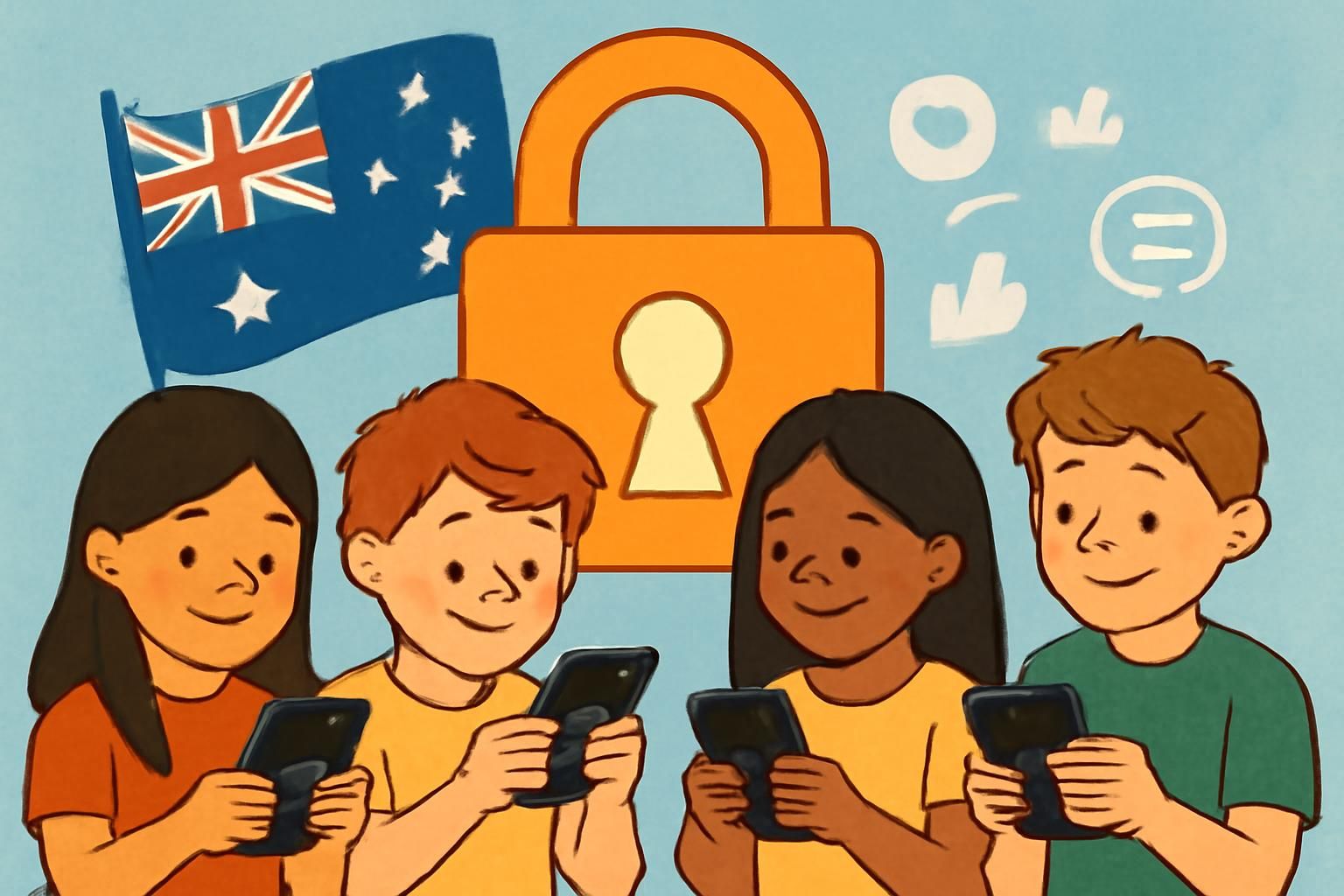
Australia’s initiative to impose strict social media restrictions on children under 16 is unprecedented in its scope and enforcement rigor. This measure, rooted in concerns over digital wellbeing, particularly targets platforms where youths are prone to encountering risks such as cyberbullying, inappropriate content, and privacy infringements. The law mandates social media companies to implement robust age verification systems to physically block users under the age of 16 from registering or maintaining accounts.
The genesis of the legislation lies in extensive studies linking early social media exposure to increased incidences of anxiety, depression, and other mental health disorders in young users. As a result, Australia has mandated a blanket ban on accounts for this age group across major platforms such as Facebook, Instagram, TikTok, Snapchat, Reddit, and others. This comprehensive scope ensures uniformity in digital age restrictions, which previously varied widely across platforms and were often ineffectively enforced.
Implementing these restrictions, however, poses technological challenges. Accurate age verification without compromising user privacy demands innovative solutions, such as AI-driven checks and cryptographic proofs of age. Australia’s law requires each tech company to deploy such systems in a manner that vigorously prevents underage access while safeguarding data security and user anonymity. Consequently, platforms face intricate decisions balancing user convenience, privacy rights, and compliance costs.
The legislation explicitly transfers responsibility to tech companies rather than placing the burden on parents or children. This approach recognizes the scale and technical capability of corporations like Meta and TikTok, and their pivotal role in moderating content and access. Failure to comply with these restrictions now results in hefty fines and stringent penalties, thereby compelling comprehensive systemic changes rather than voluntary compliance.
Noteworthy is Australia’s pioneering stance on social media regulation for minors, which has prompted global discussions around standardizing digital age controls and best child protection practices online. The law operates under the principle that safeguarding young Australians in digital spaces requires proactive corporate accountability and strong governmental oversight, moving beyond traditional reactive measures.
The Doubling of Penalties: Impact and Implications for Tech Companies
A critical element of Australia’s reinforced regulations is the government’s decision to double the maximum penalties for social media companies that fail to enforce age restrictions. The top fine of $99 million AUD (approximately £51.7 million) represents one of the most severe punitive measures globally against tech firms regarding child safety laws.
This steep increase in financial penalties signals Australia’s steadfast commitment to holding tech giants accountable. The penalties serve a dual purpose: deterrence of non-compliance and incentivization of investment in better age verification technologies. Many tech firms initially criticized the legislation as onerous and technically cumbersome. However, the elevated fines demonstrate the government’s unwillingness to tolerate lax enforcement, effectively compelling companies to prioritize this issue.
For tech companies, this presents substantial operational and compliance challenges. Age verification technologies must not only be accurate but also scalable and user-friendly. The risk of fines incentivizes innovation, yet also generates controversy related to data privacy and user experience. Several platforms have had to redesign registration workflows, incorporate biometric verification options, or partner with third-party verification services.
Moreover, the threat of substantial penalties motivates platforms to engage in more rigorous internal audits and compliance reporting. This compliance scrutiny raises broader questions about transparency and the balance between automated systems and human oversight in moderating underage access. The hefty fines also have financial ripple effects within the tech industry, pushing even mid-sized companies to reconsider serving the Australian market if compliance proves too expensive.
Another implication lies in legal precedents: Australia’s model could inspire other countries to adopt similar regulations with comparable penalties, creating a new global regulatory environment. Tech companies with multinational operations must therefore develop sophisticated compliance frameworks that can adapt to diverse legal landscapes.
Examples of Potential Penalty Triggers
- Failure to implement a reliable age verification process.
- Allowing minors to create accounts or access restricted content.
- Inadequate monitoring or reporting of policy breaches regarding child users.
- Misleading disclosures about user age policies or enforcement procedures.
Australia’s Legal and Regulatory Framework Driving Child Online Protection
The legislative reforms enhancing social media restrictions for children are supported by an evolving regulatory framework focusing on digital child safety. Australia’s Digital Law framework currently includes mandates for online platforms to uphold children’s rights, data protection, and content moderation standards.
Central to this framework is the principle of corporate accountability, emphasizing that tech companies must enforce age restrictions with active and ongoing oversight. Agencies such as the Australian Communications and Media Authority (ACMA) have been empowered with investigative and enforcement capabilities to oversee compliance. They conduct audits, respond to complaints, and have the authority to levy fines.
Additionally, the government has introduced new guidelines detailing technical and procedural standards for age verification, complaint handling, and transparent reporting. These measures ensure that restrictions are not token gestures but embedded within platform operations, user interfaces, and content algorithms.
Australia’s legal approach also integrates collaborations with child psychologists, digital safety experts, and education authorities to continually refine regulatory priorities. Public campaigns inform parents and educators about digital risks, amplifying the legal protections with community awareness, creating a holistic ecosystem of child online protection.
The interaction between legislation and regulation is crucial as it allows for dynamic responses to emerging risks in digital spaces while maintaining a solid legal foundation. For example, as new platforms or features emerge, enforcement agencies can update guidelines without waiting for new laws, ensuring agility in this rapidly changing domain.
Challenges in Enforcing Social Media Restrictions for Kids
While Australia’s regulations are robust on paper, real-world enforcement faces multiple challenges spanning technical limitations, social behavior, and international jurisdiction complexities. Age verification technology, although improving, still wrestles with inherent flaws such as proxy ages and fake identification.
Programs like AI-based biometric scans or blockchain-backed identity proofs require high investment and raise concerns about privacy and data sovereignty. Some argue that such invasive methods might deter legitimate users and create new risks around personal data misuse.
Another challenge involves cross-border enforcement. Many social media platforms operate servers and user bases globally, making it difficult for Australian authorities to impose sanctions or mandate compliance fully. Some companies may comply in Australia but not elsewhere, which risks fragmentation of user experiences and regulatory enforcement.
Public pushback, especially from parents and children accustomed to global platforms without stringent checks, also complicates enforcement. There are behavioral adaptations such as creation of false accounts or shifting to less regulated platforms, which social media restrictions alone cannot entirely prevent.
Nonetheless, Australia remains committed to refining its enforcement strategies, including increasing international cooperation with counterpart regulators and investing in public education to foster digital literacy and safe online practices from an early age.
How Tech Companies Are Responding to Stricter Regulations in Australia
Tech giants like Meta, TikTok, and Snapchat have publicly acknowledged the increased regulatory pressures in Australia, committing to revamp their age verification and content moderation systems. Although initial responses included criticism about feasibility and user privacy concerns, companies have gradually shown acceptance of compliance as a legal necessity.
Meta, for instance, announced it would pilot enhanced AI-driven age verification methods in Australia before rolling them out globally. These include analyzing user behavior signals, biometric checks, and cross-referencing third-party ID verification services. TikTok invested in a new policy team dedicated solely to compliance with Australia’s social media laws, enhancing real-time monitoring of underage usage.
Smaller platforms face more acute challenges due to resource limitations, sometimes opting to block Australian users altogether rather than risk non-compliance. For them, the risk-reward balance is difficult, given potential lost market share versus investment in sophisticated age verification technologies.
Overall, the stricter Australian regulations have spurred innovation in age assurance technologies and forced companies to rethink child safety as a business priority rather than a peripheral issue. This shift is a substantial step toward more responsible corporate behavior in the digital marketplace.
Key Adaptations by Tech Companies
- Deployment of AI-based age verification tools.
- Integration of multi-factor verification processes.
- Blocking all account access for users failing age checks.
- Enhanced training for content moderators focused on child safety issues.
- Collaborations with government regulators for compliance audits.
Comparative International Perspectives on Child Social Media Restrictions
Australia’s pioneering social media ban for users under 16 resonates with a growing global trend of strengthening digital regulations to protect children. Countries like France and South Korea have introduced similar age restrictions, though enforcement frameworks and penalties vary considerably.
In the European Union, the General Data Protection Regulation (GDPR) sets baseline age limits (often 13), requiring parental consent for younger users. However, enforcement mechanisms differ widely across member states. Australia’s direct platform ban for under-16s is notably stricter, reflecting unique social norms and political will.
South Korea employs a strong verification framework with government-licensed identity verification for all social media accounts, echoing Australia’s approach of emphasizing corporate accountability. Conversely, in the United States, regulatory initiatives are more fragmented, with the Children’s Online Privacy Protection Act (COPPA) primarily targeting data collection rather than outright access bans.
This variation poses challenges for international platforms operating across jurisdictions. Consistency in user experience, compliance costs, and regulatory risks are managed on a case-by-case basis. Australia’s enforcement actions and raised penalties could influence the development of more harmonized and rigorous standards globally.
| Country | Age Restriction | Enforcement Approach | Penalty Severity |
|---|---|---|---|
| Australia | Under 16 banned | Mandatory age verification; platform liability | Up to $99M AUD fines |
| France | Under 15 requires parental consent | Parental notifications; platform oversight | Moderate fines |
| South Korea | Under 14 blocked | Government-licensed ID verification | Fines, access restrictions |
| United States | 13 minimum age | Data protection via COPPA | Lower fines, limited access bans |
Measuring the Effectiveness of Social Media Restrictions on Child Safety
Evaluating the impact of Australia’s reinforced social media laws requires considering various metrics related to child safety, tech company compliance, and societal outcomes. Early reports indicate a significant reduction in new account creation by children under 16 on regulated platforms, a positive sign that restrictions are being heeded.
Mental health experts note some initial signs of reduced exposure to harmful content among younger demographics, contributing to the long-term goal of fostering healthier online environments. However, measuring indirect effects, such as changes in cyberbullying rates or digital addiction levels, requires more longitudinal studies.
Companies are required to submit detailed compliance reports to regulators, containing data on age verification accuracy, incidents of breach, and user complaints. Regulators use these data to issue guidance, escalate enforcement, or adjust regulations as needed.
However, challenges remain in overcoming circumvention tactics by users and the rise of unregulated or niche platforms that youth may migrate to. Continuous monitoring, cross-sector collaboration, and adaptive regulation are therefore integral to sustaining the protective impact of these laws.
Community and Parental Roles in Supporting Online Child Safety Within Australia
Although Australia’s regulations place primary enforcement duties on tech companies, the role of families and communities remains essential in fostering digital resilience and safe practices. Government and non-profit organizations actively promote digital literacy programs aimed at empowering parents and children to navigate social media cautiously.
Schools have incorporated specialized curricula addressing cyber safety, responsible usage, and potential online risks. Workshops and resources for parents emphasize the importance of communication about social media experiences and monitoring digital habits without infringing autonomy.
Community efforts also include campaigns encouraging mental health awareness related to social media, addressing stigma around seeking help, and creating support networks for affected youth. By complementing legal restrictions with education and social support, Australia aims to create a multi-layered approach to online child protection.
The collaboration between governmental bodies, tech firms, educators, and families forms a critical pillar in making social media a safer space for children while respecting their evolving digital rights and needs. This shared responsibility model maximizes the potential of regulations to effect positive change.
- Parental engagement in digital habits monitoring
- Educational programs focusing on online safety
- Public awareness campaigns about social media risks
- Support networks for children facing online harm
- Collaboration with tech companies for feedback and improvement
What are the main age restrictions imposed by Australia’s social media laws?
Australia prohibits users under 16 from having accounts on major social media platforms, enforcing this through mandatory age verification systems placed on the tech companies themselves.
What penalties do tech companies face if they breach these restrictions?
Companies can be fined up to $99 million AUD for failing to comply with age restrictions, a measure introduced to ensure strong enforcement and deter breaches.
How do tech companies verify users’ ages under Australian law?
Platforms employ a variety of methods including AI-based analysis, biometric scanners, and third-party ID checks to verify that users meet the age requirements.
Are parental responsibilities affected by these regulations?
While primary enforcement is on tech companies, parents are encouraged to engage in digital literacy and monitoring to support the law and protect children online.
Could Australia’s regulations influence other countries?
Australia’s pioneering laws and penalty frameworks serve as a model that could be adopted or adapted by nations seeking to strengthen child protection online globally.